
Shrubs
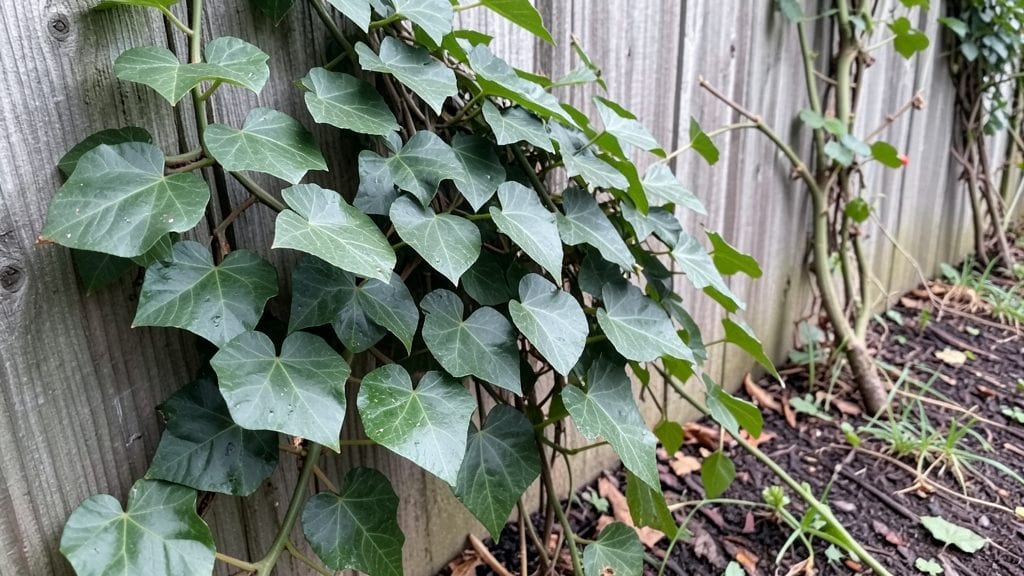
English ivy flowering is rare in home gardens—but when it happens, those tiny greenish-yellow blooms transform your evergreen vines into a hidden treasure. 🌿 I’ve watched my mature ivy plants finally produce clusters of flowers after years of patience, and the secret lies in creating the right conditions.
Most gardeners overlook the subtle clues that encourage flowering, like just enough sunlight and consistent moisture without soggy roots.
The key to flowering English ivy starts with mature plants—you won’t see blooms on young vines. Give it 5-10 years of steady growth in partial shade (morning sun, afternoon shade works best), and well-draining soil rich in organic matter.
Prune lightly in early spring to shape the plant and encourage new growth where flowers will appear. Overwatering or poor drainage will kill your chances faster than anything else.
When flowers do appear, they’re followed by small black berries that birds adore—but the real magic is in the plant’s renewed vigor. Healthy ivy with blooms stays lush year-round, and the flowers attract pollinators you might not expect in shady spots.
The trade-off? Flowers mean more maintenance, as berries require careful cleanup to prevent spread. Still worth it for that rare moment of surprise blooms.
If your ivy refuses to flower, check for these common issues: too much shade, compacted soil, or aggressive pruning that removes all old growth. The solution? Adjust light exposure gradually, amend the soil with compost, and let the vines mature naturally.
Patience pays off—my ivy finally bloomed after I stopped fussing and just let it grow.
📚 In This Guide
- What you need
- Instructions
- Tips and common mistakes
- Wrapping up and next steps
What you need
- ● English Ivy Plants: 1-3 healthy Hedera helix plants (varies by pot size or garden space)
- ● Choose plants with green or variegated foliage for best flowering potential
- ● Well-Draining Potting Mix: 5-10 gallons (depending on pot size) of a peat-based or coco coir mix with perlite or sand (20-30% perlite/sand ratio)
- ● Containers (if potted): 1-3 10-15 gallon pots with drainage holes (terracotta or fabric pots recommended)
- ● Slow-Release Fertilizer: 1 10-10-10 or 20-20-20 granular fertilizer (follow package instructions for dosage)
- ● Garden Tools: 1 pair of pruning shears (sterilized with rubbing alcohol)
- ● 1 trowel or small shovel (for transplanting or soil adjustments)
- ● Watering Supplies: 1 watering can or hose with a gentle spray nozzle
- ○ Optional: moisture meter to monitor soil hydration
- ● Shade & Light: Access to partial shade (4-6 hours of indirect light daily) or dappled sunlight
- ○ Optional Extras: 1 mulch (pine bark or shredded leaves) to retain moisture
- ● 1 spray bottle for misting (helps with humidity-loving varieties)
Step-by-step guide to encouraging English ivy to flower
Here’s how to coax those delicate ivy blooms—with patience and the right care.
🌿 Step 1: Select the Right Variety and Planting Site
Not all English ivy (Hedera helix) varieties flower indoors, but ‘Glacier’ or ‘Needlepoint’ are your best bets for blooms. Choose a 6-inch pot with drainage holes—ivy roots rot easily when soggy. Place it in bright, indirect light (east or north-facing windows work best). Too much direct sun scorches the leaves, while dim corners starve the plant of energy needed for flowers.
I always check the soil mix—well-draining potting soil with 20% perlite prevents waterlogging. Fill the pot halfway, then tap gently to settle the mix. This ensures roots get oxygen while holding just enough moisture. If your home runs dry, group pots together to create humidity—ivy loves it.
☀️ Step 2: Provide Consistent Light and Temperature
English ivy needs 6-8 hours of bright, indirect light daily to flower. If leaves yellow or stretch toward the window, your plant is light-starved. Rotate the pot quarter-turn weekly so growth stays even. In winter, supplement with a grow light (12-14 hours/day) to mimic longer days—this triggers blooming cycles.
Keep temperatures steady between 60-75°F. Ivy blooms best when it’s not stressed by drafts or sudden heat changes. I avoid placing mine near vents or cold windows. Watch for tiny white or yellow-green flowers in late summer—this is your reward for stable conditions!
💧 Step 3: Water and Fertilize for Blooms
Water when the top inch of soil feels dry—stick your finger in to check. Overwatering is the #1 killer of flowering ivy. Let excess water drain completely; saucers should empty within 10 minutes. I use room-temperature water to avoid shocking roots, and I avoid wetting the leaves to prevent fungal spots.
Feed every 4-6 weeks in spring/summer with a balanced liquid fertilizer (10-10-10). Reduce to half-strength in winter—too much food then encourages leafy growth over flowers. I pause fertilizing when buds form (usually late summer) to let the plant focus energy on blooming, not feeding.
✂️ Step 4: Prune Strategically to Encourage Flowers
Trim leggy stems in early spring to shape the plant and redirect energy. Use clean pruners to snip just above a leaf node (where new growth emerges). Remove yellow or damaged leaves year-round—they drain nutrients. I also pinch back new growth tips in summer to promote bushier, flower-friendly habits.
If your ivy flowers but doesn’t rebloom, it’s likely overcrowded. Repot every 2-3 years into a pot 2 inches larger to refresh the roots. This jumpstarts growth and sets the stage for next season’s blooms. After repotting, hold off on fertilizing for 2 weeks to let roots recover.
🌱 Step 5: Overwinter for Next Year’s Blooms
Reduce watering in fall as growth slows, but don’t let soil dry completely. Move the plant to a cooler spot (55-65°F) if your home gets too warm. Ivy enters dormancy naturally—you’ll see slower growth and fewer leaves, but this is normal. Prune lightly in late winter to remove dead stems before new growth starts.
Here’s the thing—patience is key. Ivy may take 1-2 years to flower indoors, but once it does, it rewards you with clusters of tiny, fragrant blooms. Keep light, water, and temperature consistent, and you’ll see those delicate flowers return year after year.
Tips & tricks for perfect English ivy blooms
These simple strategies will help you coax those delicate ivy flowers indoors with confidence.
The Light Factor: Those critical 6-8 hours of bright, indirect light are non-negotiable for flowering. I've found that placing your ivy on a rotating stand near an east-facing window gives the most even exposure. If your space lacks natural light, a full-spectrum LED grow light positioned 6-12 inches above the plant for 12-14 hours daily can work wonders—just keep it on a timer to mimic natural daylight patterns.
Soil Secret: The 20% perlite mix in your well-draining potting soil isn't just about drainage—it creates tiny air pockets that prevent root rot while maintaining just enough moisture. I like to add a handful of orchid bark to the mix for extra aeration. This combination prevents the #1 killer of flowering ivy: soggy roots that suffocate the plant before it can bloom.
Pruning Timing: That early spring trim isn't just for looks—it's when your ivy decides whether to focus energy on leaves or flowers. I always make my cuts just above a leaf node (where new growth emerges) using clean pruners. This redirecting of energy is what triggers those first delicate blooms. The summer pinch-back of new growth tips creates a bushier shape that supports more flower clusters.
Temperature Strategy: Maintaining that 60-75°F range might seem simple, but small fluctuations can prevent blooming. I place my ivy on a stable surface away from vents, doors, and windows that might create drafts. In winter, if your home gets too warm, move the plant to a cooler spot (55-65°F) to help it enter dormancy naturally—this rest period is crucial for next year's flowers.
Pro Tips for English Ivy Flowering
- These simple strategies will help you coax those delicate ivy flowers indoors with confidence.
- The Light Factor: Those critical 6-8 hours of bright, indirect light are non-negotiable for flowering.
- Soil Secret: The 20% perlite mix in your well-draining potting soil isn't just about drainage—it creates tiny air pockets that prevent root rot while maintaining just enough moisture.
Frequently asked questions
Got questions about English ivy flowering?
You’re not alone! Here are answers to the most common curiosities—from timing to troubleshooting—so you can help your shade-loving ivy thrive and (maybe!) spot those rare blooms.
Does English ivy actually flower? I’ve never seen it bloom!
English ivy (Hedera helix) can flower—but it’s rare in cultivation! Blooms typically appear on mature plants (5+ years old) in late summer/fall, often in shady, moist microclimates (like under trees or on north-facing walls). If yours isn’t flowering, don’t worry—it’s still thriving as a lush, evergreen ground cover or climber.
When is the best time to prune English ivy to encourage flowering?
Prune in early spring (before new growth) to shape your ivy and redirect energy toward potential blooms. Avoid heavy cuts in fall/winter, as this can stress the plant. Focus on removing dead or leggy stems—never more than ⅓ of the plant at once. Pro tip: If you spot flower buds (tiny green clusters), avoid pruning those branches!
Why isn’t my English ivy flowering? Is it dying?
Relax—it’s not dying! English ivy flowers are highly sensitive to environmental cues, and most cultivated varieties prioritize foliage over blooms. Common reasons for no flowers:
- Too much sun: Ivy blooms thrive in dappled shade (6+ hours of indirect light). Too much direct sun = leaf burn, not flowers.
- Poor soil: Amend with organic matter (compost or peat) for moisture retention.
- Young plant: Wait until it’s 5+ years old and well-established.
- Lack of stress: Ivy flowers as a survival tactic—slight drought or root binding can trigger blooms (but don’t overdo it!).
Are there flowering English ivy varieties I should try instead?
Yes! If you’re determined to see ivy blooms, opt for these flower-friendly cultivars:
- Hedera helix ‘Glacier’ – Compact, with occasional white flowers.
- Hedera helix ‘Sagittifolia’ – Arrow-shaped leaves; more likely to bloom.
- Hedera helix ‘Goldheart’ – Variegated foliage; some clones produce flowers.
For guaranteed blooms, consider Hedera colchica (Persian ivy)—it’s more aggressive but flowers reliably in zones 7–9. Note: These varieties may spread more than traditional English ivy.
What do English ivy flowers look like, and do they attract pollinators?
Ivy flowers are tiny, star-shaped clusters (½ inch wide) in greenish-yellow or cream hues, emerging from leaf axils. They’re fragrant (especially at night!) and do attract bees, moths, and hoverflies—though they’re not a major pollinator draw like lavender or coneflowers. Fun fact: The flowers develop into black berries that birds love (but can spread seeds aggressively).
Troubleshooting: My ivy has flowers, but they’re dropping. What’s wrong?
Dropping ivy flowers are usually not a cause for alarm—here’s why:
- Overwatering: Ivy flowers are sensitive to soggy soil. Let the top 1–2 inches dry out between waterings.
- Wind/pests: Delicate blooms can fall from strong breezes or aphids (spray with water to deter them).
- Nutrient deficiency: A balanced fertilizer (10-10-10) in spring can boost flower retention.
- Natural cycle: Some flowers drop early if pollination fails (ivy is self-fertile, but humidity matters!).
If leaves are also yellowing, check for root rot or powdery mildew (prune affected areas and improve air circulation).
Wrapping up and next steps
English ivy’s delicate flowering blooms bring a touch of elegance to shady gardens, proving that shade-loving plants can be just as stunning as their sun-seeking cousins. 🌿 Whether you’re drawn to its glossy foliage or the rare sight of its tiny, star-shaped flowers, this versatile vine rewards patience and care.
Now that you’re armed with the right knowledge—from soil prep to pruning—why not take the next step?
Start small: plant a single cutting in a pot or along a fence, and watch it transform your space. Or, if you’re feeling bold, design a vertical garden with ivy as the star. Every gardener’s journey begins with a single leaf—so grab your gloves and let the greening begin! 🌱