
Shrubs
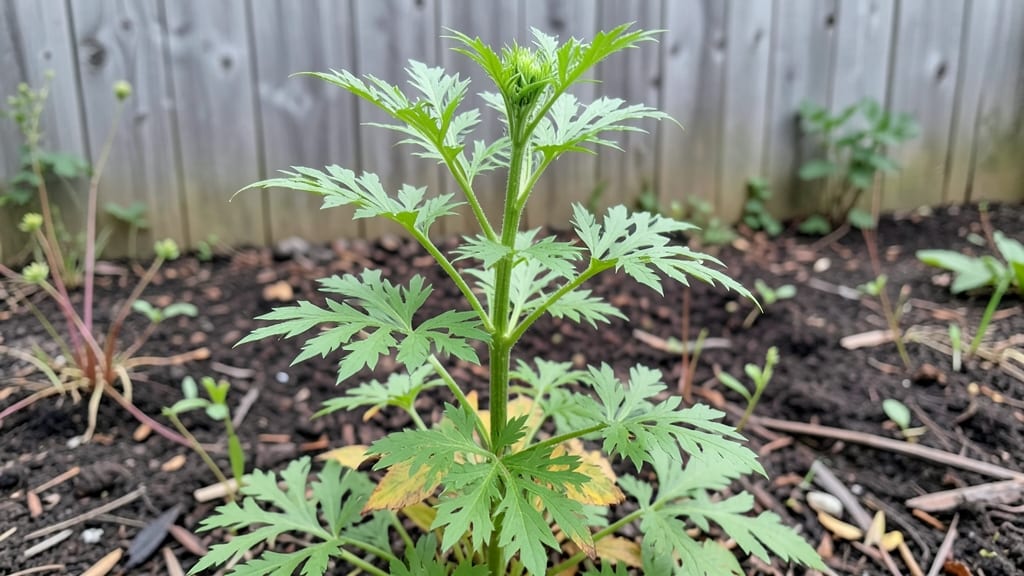
Cosmos plants before flowering are all about setting them up for that shockingly lush display of blooms later—it’s the foundation no one talks about enough. I’ve seen leggy, sparse cosmos that never really took off, and the fix always starts with how you handle them in those first few weeks.
The secret isn’t just water or soil—it’s pinching back at the right time to trigger bushier growth, and most gardeners skip this step completely.
You’ll need well-draining soil mixed with compost, consistent morning sunlight (at least 6 hours), and a watering routine that keeps the roots damp but never soggy. The biggest mistake?
Letting them get too tall before the first pinch—once they hit 12 inches, you’ve missed the window for maximum branching.
I’ve found that starting pinches when seedlings are just 4-6 inches tall gives you that thick, sturdy base that supports dozens of blooms instead of just a few sparse stems.
By the time you see those first buds forming, your cosmos will be neighbor-jealousy levels of full, with stems packed close together. The blooms stay vibrant longer too, because the plant isn’t pouring energy into floppy, single-stemmed growth.
This method works for both dwarf varieties and tall cosmos—just adjust the spacing (12-18 inches apart) to match their mature size.
Fair warning: the first pinch feels counterintuitive, but trust the process. You’ll see new growth sprouting from the leaf nodes within 7-10 days, and that’s when you know you’re on the right track.
The key is consistency—keep the soil moist, protect young plants from slugs, and you’ll have cosmos that put on a show instead of a sad, sparse display.
📚 In This Guide
- What you need
- Instructions
- Tips and common mistakes
- Wrapping up and next steps
What you need
- ● Pruning shears: Bypass pruners (sharp, clean, and sized for small stems—3.5" to 4.5" blades). Quantity: 1 pair.
- ○ Hand pruners: For thicker stems (if needed), opt for anvil or bypass pruners with 5" blades. Quantity: 1 pair (optional, if stems exceed ½").
- ● Disinfectant: Rubbing alcohol (70% isopropyl) or a garden disinfectant to sterilize tools between cuts. Quantity: Small bottle.
- ● Garden gloves: Nitrile or leather gloves (to protect hands from thorns and sap). Quantity: 1 pair.
- ● Garden twine or clothespins: For temporarily staking or securing stems if needed. Quantity: Small roll or 3-5 pins.
- ● Sharpie or permanent marker: To label plants if pruning multiple varieties. Quantity: 1.
- ● Horticultural oil or pruning sealant: To protect cuts on woody stems (if pruning late in the season). Quantity: Small bottle.
- ● Plant food or compost: Balanced fertilizer (10-10-10) or compost to nourish plants post-pruning. Quantity: As needed.
- ● Spray bottle with water: To rinse off sap or refresh wilting leaves after pruning.
- ● Camera or phone: To document progress before/after pruning for tracking growth!
Step-by-Step guide for pruning cosmos before flowering
Here’s how to encourage lush, bushy cosmos plants before they bloom—no fancy tools required.
Wait Until Plants Reach 6 Inches Tall
Your cosmos will be ready for pruning once they’ve grown 6 inches tall and developed 3-4 sets of true leaves. This usually happens 4-6 weeks after planting, depending on your climate. Look for sturdy stems with vibrant green foliage—this signals the plant has enough energy to branch out.
If you prune too early, you risk stunting growth. Wait until the plants look healthy and upright. This timing ensures you’re cutting back just as the plant is ready to focus energy on lateral shoots, which will create that full, bushy look you want.
Use Clean, Sharp Pruners or Scissors
Grab your clean pruners or sharp scissors and make your first cut just above a set of leaves, about ½ inch above the node where new growth emerges. This encourages the plant to branch out from that spot. Avoid tearing the stems—clean cuts heal faster and reduce the risk of disease.
I always sterilize my tools with rubbing alcohol before and after pruning to prevent spreading any hidden pathogens. If you don’t have pruners, clean scissors work fine, but make sure the blades are sharp to avoid crushing the stems.
Pinch Back the Top Growth
Locate the tallest stem on each plant and pinch off the top 1-2 inches of growth. This might seem counterintuitive—after all, you’re removing the most vigorous part—but it forces the plant to redirect its energy to the sides, producing more branches and a fuller shape.
Focus on 3-4 main stems per plant to start. As the plant fills out, you’ll see new shoots emerging from the nodes below your cuts. These will become your bushier framework. Avoid over-pruning; removing too much at once can stress the plant.
Monitor and Repeat as Needed
Check your cosmos every 2-3 weeks after the first pruning. If you notice any stems growing too tall or leggy, pinch them back again to maintain a compact shape. The goal is to keep the plant balanced and bushy, not letting it grow too lanky before flowering.
You’ll know you’re doing it right when you see multiple side shoots forming at the nodes. These will eventually produce more flowers, extending your blooming season. Stop pruning 4-6 weeks before your first frost to allow the plant to focus on flower production rather than new growth.
Support and Water Consistently
After pruning, give your cosmos 1 inch of water per week, keeping the soil evenly moist but not soggy. Bushier plants need stable moisture to support their increased foliage. Mulch around the base with 2-3 inches of organic mulch to retain moisture and regulate soil temperature.
If your cosmos starts to lean or flop, consider staking or using a small cage to support the extra weight of new growth. This keeps the plant upright and ensures all those new branches get plenty of sunlight, which is key for strong, healthy blooms.
Tips & tricks for pruning cosmos before flowering
Pruning cosmos before flowering might seem tricky, but these simple tricks will help you create those lush, bushy plants you dream of. Here's how to maximize your success without stressing your plants.
Timing is Everything: The 6-inch height mark in Step 1 is crucial because this is when your cosmos has developed enough energy reserves to handle pruning without shock. I've learned the hard way that pruning too early can stunt growth—wait until you see those sturdy stems with vibrant green foliage. The 4-6 week window after planting gives you a good range, but always prioritize visual cues over the clock. This timing ensures the plant is ready to redirect its energy toward lateral growth rather than just vertical stretching.
The Technique That Changed Everything: When you make your first cut in Step 2, that ½-inch above the node is where the magic happens. This precise placement encourages branching from exactly where you want new growth to emerge. I recommend using your fingernail to gently scratch the stem just above the node before cutting—this helps you visualize where to make the clean cut. Remember, sharp tools are non-negotiable; dull blades crush stems and create entry points for disease. Sterilizing your tools with rubbing alcohol is a small step that prevents big problems down the line.
Pinching Strategy: In Step 3, when you pinch back the top 1-2 inches of growth, you're essentially telling the plant to "branch out or bust." Focus on those 3-4 main stems first—they'll become your plant's framework. I've found that pinching works best when you do it consistently. If you see a stem that's growing too tall between your 2-3 week checks in Step 4, don't hesitate to pinch it back again. The key is balance—you want a full, bushy plant, not one that's overcrowded or leggy.
Monitoring and Maintenance: The 4-6 week window before your first frost mentioned in Step 4 is your final deadline for pruning. After that, let your cosmos focus on producing those beautiful flowers. During the growing season, keep a close eye on your plants—watering consistently with 1 inch per week (as in Step 5) and maintaining that 2-3 inch layer of organic mulch will give your bushier plants the support they need. If you notice stems leaning, don't wait until they flop—add support early with stakes or small cages to keep everything upright and sunlit.
Pro Tips for Cosmos Before Flowering
- Pruning cosmos before flowering might seem tricky, but these simple tricks will help you create those lush, bushy plants you dream of.
- Timing is Everything: The 6-inch height mark in Step 1 is crucial because this is when your cosmos has developed enough energy reserves to handle pruning without shock.
- The Technique That Changed Everything: When you make your first cut in Step 2, that ½-inch above the node is where the magic happens.
Frequently asked questions
Got questions about shaping your cosmos plants before they bloom?
Here are answers to the most common ones—so you can prune with confidence and enjoy a fuller, more vibrant display!
When is the best time to prune cosmos before flowering?
Prune cosmos early in the season (spring or early summer) when they’re about 6–12 inches tall. Avoid pruning too late—once buds form, focus on deadheading spent blooms instead. This encourages bushier growth before the flowering rush!
How much can I cut back cosmos without harming them?
Trim back 1/3 of the plant’s height at a time to avoid stress. Use clean, sharp shears to cut just above a leaf node (where new growth emerges). Over-pruning can stunt cosmos, so never remove more than half in one session.
Will pruning cosmos before flowering delay blooms?
Not if done correctly! Pruning stimulates branching, which can actually speed up flowering by promoting more stems. Just avoid heavy cuts close to the base—focus on the upper third for best results. Patience pays off with a longer, fuller bloom season!
Can I use the cuttings from pruning cosmos?
Root the cuttings
in water or moist soil to propagate new plants. Choose healthy, non-flowering stems (4–6 inches long) and remove lower leaves before placing them in water. Roots typically form in 1–2 weeks—a great way to expand your garden for free!
What if my cosmos look leggy after pruning?
Leggy growth happens if you prune too late or don’t provide enough sunlight. Solution: Pinch back new growth tips to encourage bushiness, and ensure they get 6+ hours of sun daily. Add a balanced fertilizer (like 10-10-10) to boost foliage recovery.
Wrapping up and next steps
The cosmos before flowering stage is your golden opportunity to shape lush, bushier plants—just with a little strategic pruning! By pinching back stems and removing lower leaves, you encourage stronger growth, vibrant blooms, and a fuller appearance.
Remember, timing and technique matter, but the effort is totally worth it for a thriving garden.
Ready to transform your cosmos? Grab your pruners and give it a try—your future blooms will thank you! For even more tips, explore our full pruning guide or share your progress with fellow gardeners. 🌱