
Plants
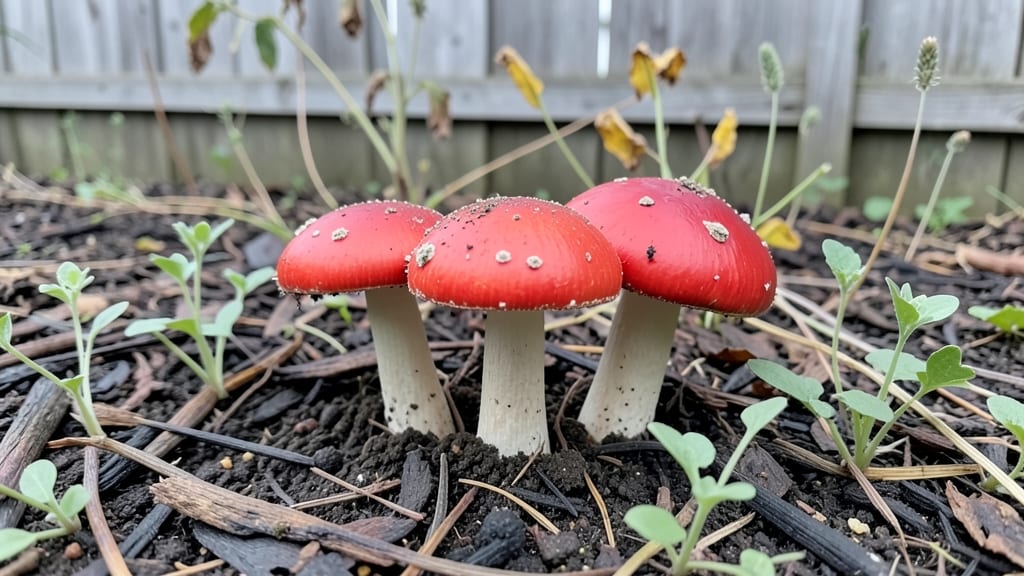
Mushrooms popping up in your flower beds aren’t just an eyesore—they’re a sign your soil is telling a story. 🌱 I’ve seen these spongy invaders turn a vibrant garden into a patchwork of earthy surprises, and the secret to managing them lies in understanding what they really need to thrive.
It’s not about chemicals or harsh solutions, but about tweaking the conditions that make your flower bed their perfect home.
The truth is, mushrooms love moist, shaded spots with plenty of decaying organic matter—basically, the opposite of what most flowers crave. Too much mulch, poor drainage, or even last year’s unraked leaves create the ideal mushroom buffet. The good news?
Fixing these issues doesn’t require a degree in mycology—just a few simple adjustments like improving airflow, reducing waterlogged spots, and keeping thatch in check. My flower beds stayed mushroom-free after I swapped thick mulch for a lighter layer and added a few inches of compost to outcompete the fungi.
What you’ll end up with is a flower bed that stays lush and mushroom-free, with blooms that push through the soil instead of sharing space with unexpected guests. The key is balance: enough moisture for roots but not enough to turn your garden into a fungal paradise.
Once you dial in the right conditions, your flowers will thrive without the surprise toadstools stealing the show. Let’s get your beds back to just the blooms you planted.
This works for perennial borders, annual beds, and even container gardens where moisture control is easier. The same principles apply whether you’re dealing with a single patch or a full yard—just scale the fixes.
And if you’re curious about those edible mushrooms? That’s a whole other (delicious) conversation. For now, let’s focus on keeping your flowers in the spotlight.
Hidden Fungal Triggers Explained
Finding mushrooms sprouting in your flower bed might feel like an unwelcome surprise—especially when you’re trying to nurture vibrant blooms. But before you reach for the rake, it’s worth understanding the root causes behind this fungal phenomenon.
These growths aren’t random; they’re the result of specific conditions that favor mushroom development. Below, we break down the science behind why your flower bed becomes a fungal hotspot, so you can address the issue with precision.
Mushrooms thrive in damp, oxygen-poor environments—think of them as nature’s way of breaking down organic matter when conditions are just right. If your flower bed retains too much moisture, whether from overwatering, poor drainage, or heavy rainfall, you’re creating the perfect breeding ground for fungal spores.
- Why it happens: Most mushrooms require 60-80% soil moisture to germinate. When soil stays soggy for extended periods, fungal mycelium (the root-like network of mushrooms) spreads aggressively, competing with your plants for nutrients.
- Actionable fix:
- Test your soil’s drainage by digging a 6-inch hole and filling it with water. If it doesn’t drain within 2 hours, amend the soil with compost or perlite to improve aeration.
- Adjust your watering schedule—deep, infrequent watering (1-2 times per week) is better than daily light sprinkles.
- Consider raised beds or mound soil slightly to encourage runoff.
Mushrooms are essentially the fruit of a larger fungal organism that decomposes dead plant material. If your flower bed has old mulch, rotting leaves, or buried plant debris, mushrooms may pop up as the fungi complete their lifecycle.
- Why it happens: Fungal spores lie dormant in soil until they detect high levels of cellulose or lignin (compounds found in dead plants). Common culprits include:
- Unturned compost piles near the bed
- Old roots or stems from past plants
- Excessive leaf litter or grass clippings
- Actionable fix:
- Remove and compost or discard any visible organic debris. Do not bury it—this feeds the problem.
- Replace old mulch with fresh, finely shredded bark (which breaks down slower and reduces moisture retention).
- Add a 2-inch layer of coarse sand or gravel to deter fungal growth while improving drainage.
Mushrooms are opportunistic and time their growth to peak conditions. Cool, humid weather—especially after warm spells—triggers spore germination. If your flower bed stays consistently moist and shaded, you’ll likely see more frequent outbreaks.
- Why it happens: Most mushroom species prefer temperatures between 50–75°F (10–24°C). When nights cool down after a hot day, the contrast creates ideal humidity levels (70%+), signaling fungi to fruit.
- Actionable fix:
- Improve airflow by thinning dense plantings or pruning overgrown foliage.
- Water in the early morning so soil dries faster during the day.
- Use drip irrigation instead of sprinklers to avoid wetting leaves (which increases humidity around the soil).
Fungi need oxygen to grow, but compacted soil suffocates beneficial microbes while creating pockets where mycelium can spread unchecked. Heavy foot traffic, machinery, or clay-heavy soil worsen the issue.
- Why it happens: Compacted soil reduces oxygen levels below 10%, forcing fungi to adapt by growing upward as mushrooms. This is common in areas with high clay content or frequent trampling.
- Actionable fix:
- Loosen soil with a garden fork or aerator to a depth of 6–8 inches.
- Mix in organic matter like compost or coconut coir to improve structure.
- Avoid walking on the flower bed; use stepping stones or paths to reduce compaction.
Mushrooms don’t appear out of thin air—they’re often imported via tools, compost, or even windborne spores. If you’ve recently amended your soil or introduced new plants, you might’ve accidentally invited fungal guests.
- Why it happens: Spores can hitchhike on:
- Unsterilized garden tools or pots
- Contaminated compost or manure
- Nearby woodpiles, lawns, or forests (spores travel up to 1 mile in windy conditions!)
- Actionable fix:
- Sterilize tools with a 10% bleach solution (1 part bleach to 9 parts water) between uses.
- Use compost from a reputable source or make your own with proper heat treatment (140°F+ for 3+ days).
- Create a 2-foot buffer zone of gravel or mulch around the bed to block spore drift from lawns or wooded areas.
By identifying which of these conditions apply to your flower bed, you can target the real cause—not just the mushrooms themselves. The key is to disrupt their ideal growing environment while keeping your plants happy and healthy. 🌿✨
Quick Fixes for Unwanted Fungi
Finding mushrooms sprouting in your flower bed can feel like an unwelcome surprise—but don’t panic! With the right approach, you can remove them without harming your plants or the soil’s health. Below, we’ll tackle the most common causes and provide practical, step-by-step solutions to keep your garden thriving.
If your flower bed stays soggy, excess moisture creates the perfect breeding ground for mushrooms. The fix? Improve drainage and reduce humidity.
✨ Step 1: Check the Soil Moisture
- Stick your finger 2–3 inches into the soil. If it feels damp for more than a day after watering, your bed is too wet.
- Pro Tip: 💡 Use a moisture meter for accuracy—ideal levels should be slightly damp, not soaked.
🔥 Step 2: Adjust Watering Habits
- Water deeply but less frequently—aim for 1–1.5 inches per week (including rain).
- Water in the early morning to allow excess moisture to evaporate.
- Avoid overhead sprinkling; use drip irrigation or soaker hoses to target roots directly.
🌱 Step 3: Improve Drainage
- Amend heavy clay soil with compost, perlite, or coarse sand to loosen it.
- If drainage is poor, consider raised beds or mounding soil slightly to encourage runoff.
- For severe cases, install French drains or redirect water away with a slight slope.
Rich, decomposing plant material fuels mushroom growth. While compost is great, too much can lead to fungal overgrowth.
🍳 Step 1: Identify the Source
- Look for leaves, grass clippings, or old mulch piled too thickly.
- Check for buried wood chips, twigs, or roots—these decompose slowly and attract fungi.
👨🍳 Step 2: Reduce & Refresh Mulch
- Remove excess mulch (leave a 2–3 inch layer) and replace it with aged compost or shredded bark.
- Avoid fresh wood chips—opt for cypress or pine mulch, which decompose slower and deter fungi.
🔪 Step 3: Aerate the Soil
- Use a garden fork or aerator to break up compacted soil and improve airflow.
- Mix in sand or vermiculite to lighten heavy soil and reduce moisture retention.
Mushrooms love damp, shaded spots. If your flower bed lacks sunlight, it’s time to create a brighter, drier environment.
🌞 Step 1: Prune Overhanging Branches
- Trim back trees or shrubs casting shade over the bed.
- Pro Tip: 🌡️ Aim for 6+ hours of direct sunlight daily—most flowers thrive in full sun.
💨 Step 2: Thin Out Dense Plantings
- Overcrowded flowers trap moisture. Space plants 2–3 times wider than their root balls.
- Remove weeds or volunteer plants competing for space.
✨ Step 3: Add Sun-Loving Companions
- Plant drought-tolerant flowers like lavender, yarrow, or Russian sage—they repel fungi and improve airflow.
- Avoid hostas, ferns, or impatiens in problem areas; they prefer shade and moisture.
If mushrooms keep returning, they may have established mycelium networks in the soil. Here’s how to break the cycle.
🔪 Step 1: Pull & Dispose Properly
- Wear gloves—some mushrooms are toxic!
- Twist and tug to remove the entire cap and stem (including the root-like base).
- Do NOT compost—bag and trash them to prevent spores from spreading.
🧪 Step 2: Apply Fungal Inhibitors (Safely)
- Hydrogen peroxide (3%): Spray a 1:10 dilution (1 part peroxide to 9 parts water) on the soil. Reapply after rain.
- Baking soda solution: Mix 1 tbsp baking soda + 1 gallon water + a few drops of dish soap. Spray lightly (avoid overuse—it can alter soil pH).
- Neem oil (optional): A 1% solution (1 tbsp neem oil + 1 quart water + ½ tsp mild soap) can disrupt fungal growth.
🌱 Step 3: Reintroduce Beneficial Microbes
- Mycorrhizal fungi (like those in root booster powders) outcompete harmful mushrooms.
- Add compost tea or biochar to restore healthy soil balance.
Stop mushrooms before they start with these low-effort, high-impact strategies:
- 💡 Mulch Smart: Use straw or pine needles instead of fresh wood chips—they decompose slower and deter fungi.
- 🌡️ Monitor Moisture: Install a soil moisture sensor to avoid overwatering.
- ✨ Rotate Plants: Avoid planting the same flowers in the same spot yearly—this disrupts fungal cycles.
- 🎯 Choose Resistant Flowers: Opt for marigolds, zinnias, or snapdragons—they’re less prone to fungal issues.
- 🔄 Test Your Soil: A pH test (ideal: 6.0–7.0 for most flowers) can reveal imbalances fueling mushrooms.
With these fixes, your flower bed can stay mushroom-free while keeping your blooms happy and healthy. The key? Balance moisture, sunlight, and organic matter—and your garden will thank you!
Frequently asked questions
Are mushrooms in flower beds always harmful?
Not necessarily! While most mushrooms in flower beds aren’t harmful to plants, they’re usually a sign of excess moisture or organic matter. Some edible varieties like oyster mushrooms can even indicate healthy decomposition, but they compete with flowers for nutrients. The real concern is when they signal poor drainage or compacted soil that could harm your blooms.
How do I tell if mushrooms are safe to remove?
Always remove mushrooms you find in your flower bed—even if they look harmless. Many wild mushrooms are toxic, and some can spread spores that harm plants. Wear gloves, pull the entire mushroom (including the root-like base), and dispose of them in the trash (not compost) to prevent regrowth.
Will vinegar or bleach kill mushrooms in my flower bed?
Bleach is too harsh for garden soil and can harm plants, while vinegar (undiluted) may temporarily slow growth but won’t solve the root cause. Instead, focus on improving drainage, reducing mulch thickness, and adding compost to outcompete fungi naturally. A 1:10 hydrogen peroxide solution is a safer alternative for spot treatment.
Can I still use compost if mushrooms keep appearing?
Yes, but choose aged compost (fully decomposed) and avoid fresh manure or wood chips, which fuel fungal growth. Use compost sparingly as a top dressing (¼ inch) rather than mixing it deeply into the soil. Adding a layer of coarse sand or perlite can also help balance moisture while maintaining soil health.
How long does it take to eliminate mushrooms from a flower bed?
With consistent fixes (better drainage, reduced mulch, and improved airflow), you’ll typically see fewer mushrooms within 2-4 weeks. For persistent cases, it may take up to 3 months to fully break the fungal cycle, especially if mycelium is deeply established. Monitor soil moisture and adjust your approach as needed.