
Pests
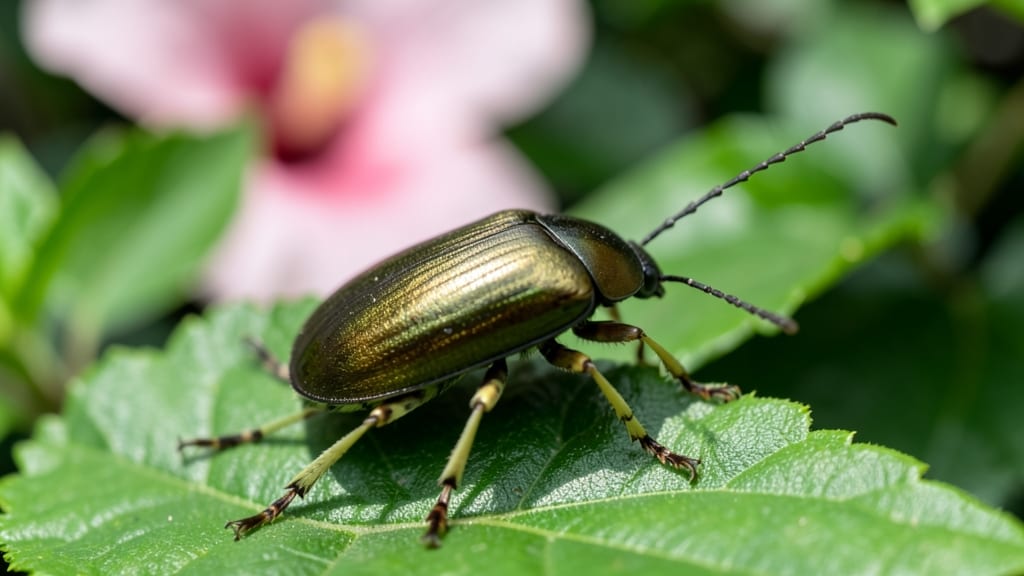
Hibiscus flower beetles can turn your prized blooms into skeleton leaves in days—unless you act fast. 🌿 I’ve battled these bright orange invaders on my tropical hibiscus, and the key isn’t spraying toxic chemicals but outsmarting them with natural barriers and targeted traps.
The damage starts small—tiny holes in petals, then chewed leaves—but these beetles multiply fast. Most gardeners panic and reach for pesticides, but that kills beneficial insects too. Instead, I use a mix of sticky traps, neem oil sprays, and introducing ladybugs to keep populations in check.
Within two weeks, you’ll see fewer beetles and healthier foliage as the plants rebound. The best part? Your hibiscus stays vibrant without harming pollinators or your family. Here’s how to break their cycle for good.
Works for both container hibiscus and in-ground plants, and the methods adapt to different climates. Let’s stop these beetles before they ruin your blooms.
Root Causes Of Beetle Infestations
Understanding why these vibrant but destructive beetles target your hibiscus plants starts with peeling back the layers of their behavior and the environmental factors that invite them.
The hibiscus flower beetle (often mistaken for a ladybug due to its striking colors) isn’t just a random visitor—it’s drawn to specific conditions that make your garden a prime buffet. Let’s break down the science behind their unwelcome arrival.
The beetle’s bright red-orange shell isn’t just for show—it’s a signal that they prefer lush, nutrient-rich plants. Hibiscus flowers, with their vibrant blooms and high moisture content, are like a neon sign for these pests. Here’s why:
- High Sugar Content: Hibiscus flowers produce nectar packed with sugars, which beetles crave for energy. A single bloom can attract dozens of beetles in a short time.
- Soft Tissue: Young, tender hibiscus leaves and buds are easy prey. Beetles chew through petals and foliage, leaving behind jagged holes and skeletonized leaves.
- Water-Retentive Leaves: Hibiscus plants often retain moisture in their leaves, making them an ideal water source for beetles and their larvae.
Actionable Insight: If your hibiscus is too healthy, it might be sending out the wrong signals. Prune spent blooms regularly to reduce food sources, and avoid over-fertilizing, which can make plants even more appealing.
Hibiscus flower beetles thrive in tropical and subtropical climates, where temperatures hover between 75–95°F (24–35°C) and humidity stays high. These conditions aren’t just comfortable—they’re optimal for their lifecycle:
- Faster Reproduction: Warmth accelerates their breeding cycle. Females can lay up to 1,000 eggs in a season, hatching in as little as 3–5 days.
- Longer Activity Seasons: In humid environments, beetles remain active year-round, while cooler climates may see them retreat in winter—only to return with a vengeance in spring.
- Moisture for Larvae: Humidity keeps soil damp, providing the ideal environment for larvae to pupate and emerge as adults.
Actionable Insight: If you live in a warm, humid region, shade cloth (30–50% coverage) can reduce heat stress on plants while making the environment less hospitable for beetles. Early morning watering (instead of evening) also helps dry foliage faster, discouraging egg-laying.
In the wild, hibiscus flower beetles face predators like birds, lacewings, and parasitic wasps. However, many home gardens lack these natural checks and balances, leading to unchecked populations. Here’s why this happens:
- Pesticide Overuse: Broad-spectrum chemicals kill beneficial insects along with pests, leaving beetles with fewer natural enemies.
- Monoculture Planting: Growing only hibiscus (or a few similar plants) creates a beetle buffet with no diversity to disrupt their lifecycle.
- Urbanization: Fewer wild habitats mean fewer predator species migrating into gardens.
Actionable Insight: Introduce predator-friendly plants like marigolds, basil, or dill to attract beneficial insects. Avoid chemical sprays, and consider handpicking beetles early in the morning when they’re sluggish.
Beetles and their larvae often hide in debris, mulch, and fallen leaves. If your garden is cluttered, you’re essentially providing them with a protected nursery. Key triggers include:
- Organic Mulch Buildup: Thick layers of wood chips or straw retain moisture and warmth—perfect for larvae to develop.
- Unpruned Dead Flowers: Wilted hibiscus blooms can harbor beetle eggs and attract more adults.
- Weeds as Hosts: Some weeds (like malva or okra) can also support beetle populations, acting as a secondary food source.
Actionable Insight: Clear debris monthly, especially around hibiscus bases. Use gravel or inorganic mulch (like pine bark nuggets) to reduce moisture retention. Prune plants before they fully wilt to remove potential egg-laying sites.
By addressing these root causes—nutrient-rich plants, ideal climates, missing predators, and poor hygiene—you can disrupt the beetle’s lifecycle before they become a full-blown problem. The key is proactive prevention, not just reactive treatments.
Quick Fixes for Beetle Damage
When those shiny, destructive beetles start munching on your hibiscus blooms, don’t panic—there are effective, chemical-free ways to reclaim your garden. Below, we break down targeted solutions based on the root cause of your beetle problem, from immediate action to long-term prevention.
Each fix is designed to be simple, eco-friendly, and practical for home gardeners.
🍳 Step 1: Handpick and Remove Them The fastest way to stop damage is to physically remove the beetles. Here’s how:
- When to act: Early morning or late evening when they’re sluggish (they’re less active in cooler temps).
- How to do it:
- Wear gloves and inspect leaves, buds, and stems.
- Drop beetles into soapy water (1 tbsp dish soap per gallon of water) to kill them instantly.
- Check under leaves and inside flower buds—they love hiding there!
- Pro tip: 💡 Do this daily for a week to break their life cycle.
👨🍳 Step 2: Disrupt Their Life Cycle Beetles lay eggs in soil near plants. To stop the next generation:
- Rake or till the soil around hibiscus roots to expose and crush eggs.
- Mulch with diatomaceous earth (food-grade only!)—this powdery substance dries out beetle eggs and adults on contact.
🥘 Step 3: Prune and Protect Even if some flowers are already chewed, you can save the plant and encourage new growth:
- Trim damaged leaves and buds with clean, sharp pruners (sterilize with rubbing alcohol).
- Focus on healthy growth: Prune back to stronger stems to redirect the plant’s energy.
- Cover young buds with lightweight fabric or mesh (like tulle) to shield them from new beetles.
✨ Step 4: Boost Plant Resilience A strong hibiscus is less appealing to beetles. Help it recover with:
- Balanced fertilizer (low nitrogen, high phosphorus/potassium) to encourage blooms.
- Deep watering (1 inch per week) to keep soil moist but not soggy—beetles thrive in dry, stressed plants.
- Companion planting: Grow marigolds, basil, or lemongrass nearby—their scents repel beetles naturally!
🔪 Step 5: Barrier Methods Physical barriers are low-effort but highly effective:
- Floating row covers (lightweight fabric) over young plants until they’re established.
- Neem oil spray (mix 2 tbsp neem oil + 1 tsp mild soap + 1 quart water). Spray every 5–7 days to deter laying eggs and repel adults.
- Copper tape wrapped around pot rims (for container hibiscus)—beetles dislike the metal’s texture.
⏰ Step 6: Timing Is Everything Beetles are most active in warm, dry weather (70–90°F). Plan ahead:
- Plant hibiscus in partial shade if you live in a hot climate—beetles prefer full sun.
- Water deeply in the morning to keep foliage damp (beetles avoid wet surfaces).
- Monitor weekly in late spring/summer when they’re most active.
📊 Quick Reference Table: Cause vs. Fix
| Problem | Immediate Fix | Prevention Tip |
|---|---|---|
| Active feeding | Handpick + soapy water | Daily checks in early morning |
| Eggs in soil | Rake soil + diatomaceous earth | Mulch with wood chips (not straw) |
| Damaged blooms | Prune + neem oil spray | Cover new buds with mesh |
| Weak, stressed plants | Fertilize + deep watering | Plant companion repellents |
🌟 Final Pro Tip: Patience pays off! Hibiscus can bounce back quickly if you act fast and stay consistent. Within 2–3 weeks, your plants should show new, beetle-free blooms—without a single chemical in sight. 🌸
Frequently asked questions
What do hibiscus flower beetles look like?
These beetles have a striking appearance with bright red-orange shells and black spots, often mistaken for ladybugs. They’re about 1/4-inch long and have a slightly elongated shape. Larvae, however, look like tiny, worm-like creatures that hide in soil or under leaves.
How can I tell if my hibiscus has a beetle infestation?
Look for tiny holes in petals and leaves, chewed edges, and skeletonized foliage where only veins remain. You may also spot the beetles themselves crawling on plants, especially in warm, sunny weather. Check under leaves and inside buds where they hide.
Are hibiscus flower beetles harmful to humans?
No, they’re not dangerous to humans or pets. While their feeding can damage your plants, they don’t bite, sting, or carry diseases. The main concern is protecting your hibiscus from their destructive feeding habits.
Can I use neem oil on hibiscus plants?
Yes! Neem oil is safe for hibiscus when used correctly. Mix 2 tablespoons neem oil + 1 teaspoon mild soap + 1 quart water and spray every 5–7 days to deter beetles. Apply in the evening to avoid harming beneficial insects active during the day.
Will companion plants really keep beetles away?
Plants like marigolds, basil, and lemongrass naturally repel hibiscus flower beetles with their strong scents. Place them near your hibiscus to create a protective barrier. These companions also attract beneficial insects that prey on beetles.