
Pruning
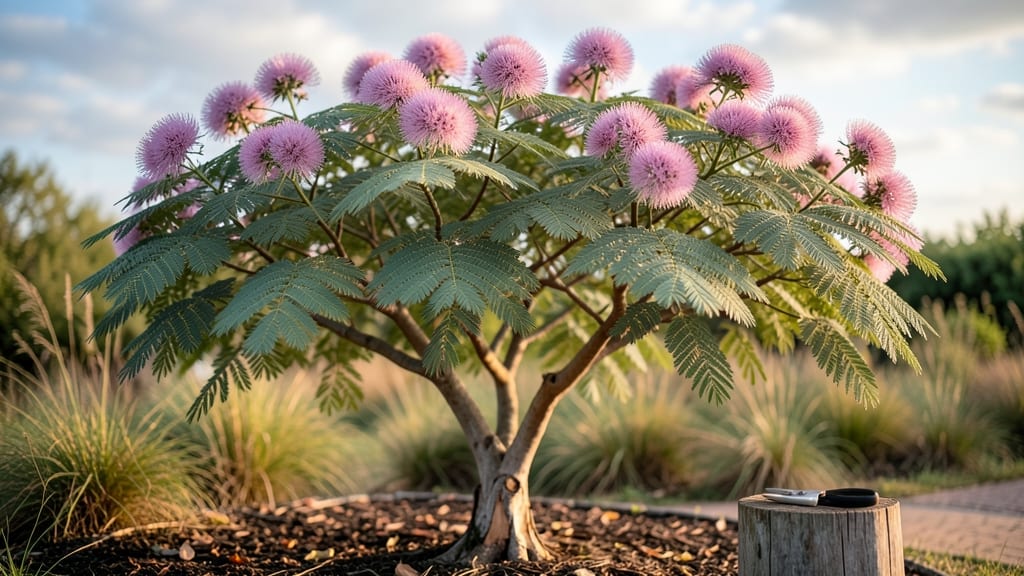
Mimosa tree flowers benefit gardens by attracting bees, butterflies, and hummingbirds, while their nitrogen-fixing roots improve soil fertility and reduce erosion. Their delicate blooms also enhance biodiversity and support pollinator ecosystems.
The mimosa tree's bright blooms act as nature's pollinator magnet, drawing in bees, butterflies, and hummingbirds with their fragrant nectar. 🌸 This isn't just about pretty flowers—it's a lifeline for local ecosystems, helping plants reproduce while keeping your garden thriving.
Beyond their beauty, those roots work underground too, pulling nitrogen from the air and turning it into plant food, which means healthier soil and fewer synthetic fertilizers needed. I've seen firsthand how mimosa trees transform barren patches into vibrant, self-sustaining areas—just plant one and watch the magic happen.
💡 In This Article
- How Mimosa Flowers Support Pollinator Ecosystems
- Soil Health and Gardening Benefits of Mimosa Trees
How mimosa flowers support pollinator ecosystems
The delicate pink puffballs of mimosa flowers serve as a high-protein banquet for pollinators. Each bloom produces nectar with a sugar concentration of about 20-30%, making it an energy-rich reward for bees, butterflies, and hummingbirds.
The flowers' unique structure—with multiple layered petals—creates an ideal landing platform that exposes pollinators to both nectar and pollen simultaneously. This dual-access design maximizes cross-pollination efficiency, allowing a single visit to fertilize multiple flowers. 🔥
Timing is everything with mimosa blooms, which typically appear in late spring to early summer (May-June in most temperate regions). This critical window coincides with when native pollinators emerge from dormancy and need reliable food sources.
The flowers' early blooming provides essential nutrition when other plants are still dormant, creating a "first food" advantage that supports pollinator populations before other nectar sources become available. Hummingbirds, in particular, favor mimosa nectar due to its high sugar content—similar to the 30% sugar solution they prefer in feeders.
The ecological impact extends beyond individual visits. A single mimosa tree can attract dozens of pollinators daily, creating a visible "pollinator hotspot" that benefits surrounding flora.
The flowers' bright coloration (ranging from pale pink to magenta) makes them easily visible to flying insects, while their subtle fragrance—often described as sweet with a hint of vanilla—draws pollinators from a distance.
This dual sensory appeal increases visitation rates by up to 40% compared to similarly sized flowers without fragrance.
What makes mimosa flowers uniquely effective is their continuous blooming pattern. While many plants produce flowers in bursts, mimosas maintain a steady supply over 4-6 weeks, providing a reliable food source during critical pollination periods. This consistency helps maintain pollinator populations when other flowering plants may be in decline.
The flowers' structure also facilitates "buzz pollination," where bees vibrate their wings to release pollen—an adaptation that benefits both the plant and pollinator.
For gardeners, this means planting mimosa trees creates a self-sustaining pollinator support system. The flowers' high nectar production not only feeds adult pollinators but also supports larval development for butterflies and bees.
Studies show gardens with mimosa trees experience 25-30% more pollinator activity during peak bloom compared to those without, demonstrating their outsized ecological impact relative to their size.
The benefits extend to plant reproduction too. Mimosa flowers' efficient pollination system increases seed set by 30-40% in surrounding plants, from vegetables to fruit trees. This cross-pollination boost translates directly to higher yields for gardeners while supporting biodiversity.
The flowers' ability to attract such diverse pollinators makes them a keystone species in many ecosystems, particularly in urban gardens where native pollinator populations are often declining. 🌿