
Flowers
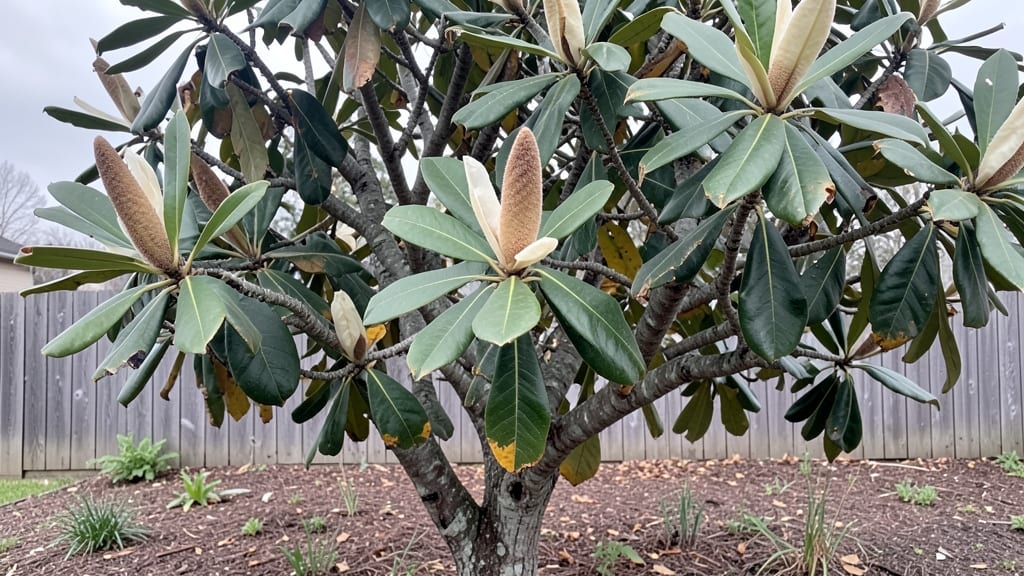
Nurturing your first magnolia flower bud is like unlocking a secret garden treasure—those velvety green buds hold the promise of showstopping blooms that perfume the air for weeks. 🌿 I’ve watched my own magnolia go from a scraggly sapling to a fragrant centerpiece, and the key isn’t just patience—it’s knowing when to prune, how much sun to give, and when to not panic if buds drop.
The first two years are all about building strong roots and branches; the real magic happens in year three when those buds finally open.
The soil needs to be rich but well-draining—think 60% topsoil, 30% compost, and 10% perlite to keep roots happy without soggy messes. Magnolias crave sunlight too: at least 6 hours daily, though afternoon shade in hot climates prevents bud scorch.
Watering’s simple once established: deep soaks once a week (more in summer), and never let them sit in standing water. The biggest rookie mistake? Over-pruning young trees—stick to shaping only after they’ve developed a sturdy framework.
By year three, you’ll start seeing those iconic cone-shaped buds form in late winter. Here’s the game-changer: never prune after mid-summer—new buds set in summer, and cutting then means fewer blooms next spring. If buds drop, it’s usually too much shade or inconsistent watering.
With the right care, your magnolia will reward you with football-sized blooms that smell like a Southern spring morning and attract hummingbirds by the dozen.
Works for both container-grown dwarf varieties (great for patios) and full-sized trees in yards. The payoff? A tree that lives for decades and gets more beautiful—and fragrant—each year. Let’s get those buds thriving!
📚 In This Guide
- What you need
- Instructions
- Tips and common mistakes
- Wrapping up and next steps
What you need
- ● Magnolia seeds: Fresh or stratified seeds (preferably from Magnolia grandiflora or Magnolia stellata for faster germination). Aim for 5–10 seeds to increase success rates.
- ● Seed-starting mix: A high-quality, well-draining mix (e.g., 50% peat moss, 30% perlite, and 20% sand). Avoid garden soil—it can harbor diseases.
- ● Seed trays or small pots: 4–6 inch pots with drainage holes (or a seed tray with individual cells). Use biodegradable pots if transplanting later.
- ● Plastic wrap or humidity dome: To maintain moisture during germination (a clear plastic bag works in a pinch!).
- ● Grow lights or sunny windowsill: Magnolia seeds need bright, indirect light (12–14 hours/day). A LED grow light is ideal for consistent results.
- ● Misting bottle: For gentle watering—avoid soaking the soil!
- ○ Heat mat (optional but helpful): Maintains soil temps at 70–75°F (21–24°C) to speed up germination.
- ● Stratification setup: A refrigerator (for cold stratification) or a seed stratification kit (if using a commercial method). Seeds need 60–90 days of cold treatment.
- ● Pruning shears or sharp knife: For trimming seed pods (if harvesting fresh seeds). Sterilize with rubbing alcohol first!
- ○ pH test kit (optional): Ideal soil pH for magnolias is 5.0–6.5. Adjust with lime (to raise pH) or sulfur (to lower it) if needed.
- ● Fertilizer (balanced, low-nitrogen): Use a 10-10-10 or 20-20-20 formula after germination (diluted to half-strength).
- ● Patience & a green thumb: Magnolia seeds can take 1–3 years to bloom—plan ahead for long-term growth!
- ● 💡 Label your seeds! Magnolias grow slowly—keep track of varieties to avoid confusion.
- ● 🌡️ Monitor humidity: Use a hygrometer to keep levels at 60–70% during germination.
- ● 🎯 Avoid overwatering: Let the top inch of soil dry out between waterings to prevent rot.
Step-by-step instructions for cultivating magnolia flower buds
Watch those first buds form with patience—magnolias reward you with stunning blooms after careful nurturing.
🌱 Step 1: Stratify Seeds for Successful Germination
Magnolia seeds need a cold period to break dormancy. Place the seeds in a sealed plastic bag with moistened peat moss and refrigerate for 90-120 days. Check monthly to ensure the moss stays damp but not soggy—squeeze it gently; water should bead on the surface.
This cold treatment mimics winter conditions in the wild. After the stratification period, remove the seeds and plant them ½ inch deep in a sterile seed-starting mix. Keep the soil consistently moist but never waterlogged, as excess moisture can cause rot.
☀️ Step 2: Provide Warmth and Light for Sprouting
Place the planted seeds in a warm location with bright, indirect light—a sunny windowsill works well. Maintain a soil temperature of 70-75°F using a seedling heat mat if needed. Germination can take 4-12 weeks, so patience is key.
Once sprouts emerge, remove the heat mat and keep the seedlings under grow lights for 14-16 hours daily. Without enough light, seedlings will stretch and weaken. You’ll know they’re thriving when their first true leaves appear—small, glossy, and deep green.
🪴 Step 3: Transplant Seedlings to Individual Pots
After 6-8 weeks, when seedlings have 3-4 sets of true leaves, transplant them into 4-inch pots filled with a well-draining potting mix. Handle the seedlings gently by their leaves to avoid damaging the delicate stems. Water lightly after transplanting to help settle the soil.
Place the pots in a shaded outdoor area for 1-2 weeks to harden them off. Gradually introduce them to morning sun before moving them to a partially shaded spot with dappled sunlight. Magnolias hate direct midday sun at this stage—it can scorch their tender leaves.
⏰ Step 4: Maintain Moisture and Fertility for Bud Development
Water seedlings deeply once a week, allowing the top 2 inches of soil to dry out between waterings. Overwatering causes root rot, while underwatering stunts growth. Use a moisture meter to check soil conditions—aim for 40-60% moisture at all times.
Apply a balanced, water-soluble fertilizer (10-10-10) every 4-6 weeks during the growing season. Start with half-strength to avoid burning young roots. You’ll see buds begin to form in 2-3 years, but consistent care now ensures stronger, healthier trees that bloom sooner.
🌿 Step 5: Protect Buds from Frost and Pests
Once buds appear, cover young trees with frost cloth during late spring frosts. Magnolia buds are particularly sensitive to cold damage, and a single hard freeze can kill them before they open. Monitor weather forecasts and act quickly—buds can form in late winter, making early spring a critical time.
Watch for scale insects and aphids, which love tender magnolia buds. Spray with neem oil or insecticidal soap at the first sign of pests. A healthy tree with strong buds will naturally resist infestations, but early intervention prevents damage. Prune any damaged or diseased branches immediately to keep the tree vigorous.
Tips & tricks for cultivating magnolia flower buds
A few simple strategies will help you avoid common pitfalls and maximize your chances of seeing those stunning magnolia blooms.
Stratification Success: Don't rush the 90-120 day cold treatment—this is absolutely critical for breaking seed dormancy. I learned this the hard way after trying to skip ahead, so mark your calendar when you start. The seeds need this full cold period to mimic natural winter conditions. Once you remove them from the fridge, plant immediately—they'll start germinating quickly after that long chill.
Lighting is Everything: Those 14-16 hours of grow light daily make all the difference during the sprouting phase. I recommend using full-spectrum LED grow lights positioned about 6 inches above the seedlings. Watch for leggy seedlings—this is your sign they need more light. The goal is small, glossy leaves, not tall, spindly growth. If you don't have grow lights, a south-facing window with supplemental fluorescent lighting works too.
Transplanting with Care: When it's time to move your 6-8 week old seedlings to individual pots, handle them by their leaves rather than the delicate stems. I've found that using a small spoon to lift seedlings from the seed tray helps prevent stem damage. After transplanting, give them that 1-2 week adjustment period in shade before introducing any direct sunlight—magnolia seedlings are particularly sensitive to sunburn at this stage.
Fertilizer Timing: That first fertilizer application should be half-strength and only after your seedlings have established for at least 8 weeks. I've seen many growers over-fertilize too early, which can burn tender roots. The 4-6 week schedule keeps nutrients balanced without overwhelming the young plants. You'll notice buds forming more reliably when you follow this gradual approach.
Pro Tips for Magnolia Flower Bud
- A few simple strategies will help you avoid common pitfalls and maximize your chances of seeing those stunning magnolia blooms.
- Stratification Success: Don't rush the 90-120 day cold treatment—this is absolutely critical for breaking seed dormancy.
- Lighting is Everything: Those 14-16 hours of grow light daily make all the difference during the sprouting phase.
Frequently asked questions
Got questions about growing magnolia flower buds?
You’re not alone! Here are some of the most common queries gardeners have—plus quick, practical answers to help you nurture those stunning blooms with confidence.
How long does it take for magnolia flower buds to open after planting?
Patience is key! Magnolia trees typically take 3–5 years from seed to produce buds, though grafted nursery plants may bloom sooner (1–2 years). Buds form in late summer/fall and often won’t open until spring—sometimes not until the tree is 5–10 years old. Pro tip: Some varieties (like Magnolia grandiflora) bloom earlier than others.
Why aren’t my magnolia buds opening in spring?
Bud failure can stem from several issues:
- Cold damage: Late frosts or winter freezes can shock buds. Plant in a sheltered spot if your climate is harsh.
- Immaturity: Young trees (under 3 years) may not have enough energy to bloom.
- Poor nutrition: Magnolias thrive in acidic, well-draining soil. Test your soil pH (ideal: 4.5–6.0) and amend with compost or peat moss if needed.
- Over-pruning: Avoid trimming in late winter—buds form on old wood.
If buds swell but don’t open, wait a few more weeks—sometimes they’re just slow starters!
Can I force magnolia flower buds to open indoors?
Forcing magnolia buds indoors is tricky but possible with mature, potted trees (not cut branches). Here’s how:
- Choose a healthy, container-grown magnolia (e.g., Magnolia stellata or soulangeana).
- Move it to a cool, dark place (40–50°F) for 8–12 weeks to simulate winter.
- Gradually increase light and warmth (60–65°F) over 2–3 weeks.
- Keep soil moist but not soggy—buds may drop if stressed.
Warning: Forced blooms are often smaller and shorter-lived than outdoor flowers. Best for a special occasion!
What’s the best alternative if my magnolia buds keep falling off?
If your buds drop prematurely, try these low-maintenance alternatives that bloom reliably:
- Crabapple trees (Malus): Cold-hardy, disease-resistant, and produce showy spring blooms.
- Japanese cherry (Prunus serrulata): Fast-growing with stunning pink/white flowers.
- Azaleas or rhododendrons (Rhododendron): Thrives in acidic soil and blooms earlier than magnolias.
- Camellias (Camellia japonica): Evergreen with winter/spring flowers in mild climates.
Bonus: These plants often require less fuss than finicky magnolias!
How do I propagate magnolia flower buds from a mature tree?
Magnolias are hard to propagate from seed (they’re often sterile), but you can try:
- Layering: Bend a low branch to the ground, cover with soil, and secure it. Roots may form in 6–12 months.
- Grafting: Contact a local nursery for rootstock and scions (best for rare varieties).
- Air layering: Wrap a branch with sphagnum moss + plastic, wait for roots, then cut and pot.
Note: Propagation is time-consuming—buying a grafted tree is often easier! Pro tip: Do this in late winter/early spring for best success.
Wrapping up and next steps
Growing magnolia flower buds from seed is a rewarding journey that blends patience with the joy of nurturing life.
Whether you’re drawn to their fragrant blooms or the satisfaction of cultivating a slow-growing beauty, remember that every gardener starts with a single seed. 🌱 Now’s the perfect time to plant yours—choose a spot, gather your supplies, and let nature do the rest!
Next steps:
- Start with stratified seeds (if you haven’t already) and plant them in well-draining soil.
- Monitor moisture and sunlight—your magnolia’s future blooms depend on it!
- Share your progress with fellow gardeners for support and tips.