
Shrubs
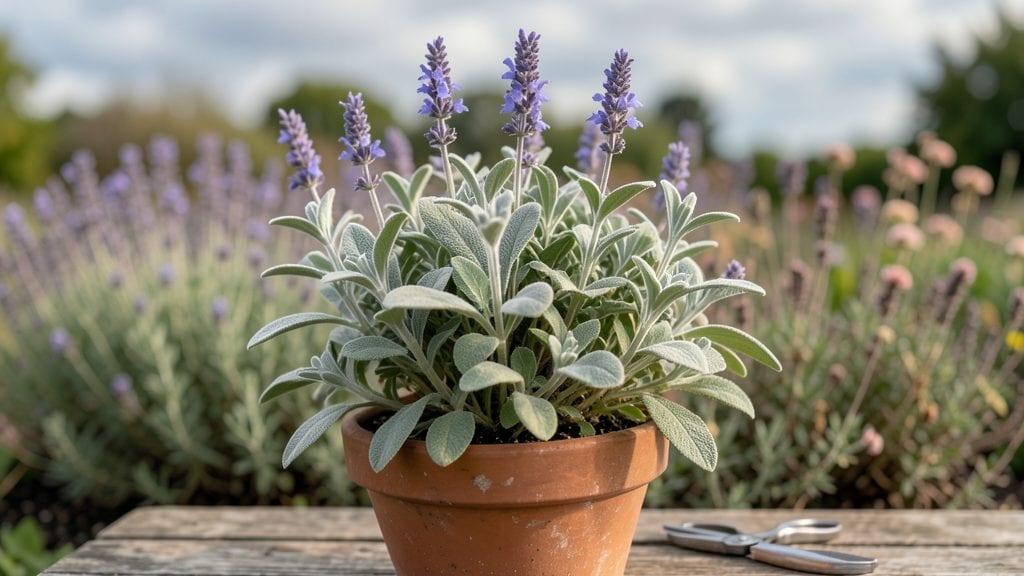
The sage herb flowering you’ve been waiting for isn’t just possible—it’s a fragrant, edible spectacle that turns your garden into a fragrant haven. 🌿 I once thought sage was just a leafy shrub, but those delicate purple spikes transformed my kitchen garden into a fragrant haven.
The key lies in balancing sunlight, pruning, and soil—three factors most gardeners overlook.
Sage thrives in full sun (at least 6 hours daily) and well-draining soil, but it’s what you don’t do that matters most. Avoid heavy pruning in spring—this triggers leafy growth but stifles flowers.
Instead, trim lightly after blooming to shape the plant. Culinary sage (Salvia officinalis) flowers later than ornamental varieties, so patience pays off.
When flowers appear, they’re not just pretty—they’re edible and packed with flavor. Harvest them for tea or garnishes, but leave some for pollinators and seed heads. These blooms also signal it’s time to propagate new plants from cuttings, ensuring your sage patch keeps growing stronger every year.
Even in small spaces, sage can bloom reliably with the right care. Whether you’re growing it in pots or garden beds, these tips will turn your sage into a fragrant, flowering superstar. Ready to see those purple spikes?
📚 In This Guide
- What you need
- Instructions
- Tips and common mistakes
- Wrapping up and next steps
What you need
- ● Sage plants (preferably Salvia officinalis or Salvia nemorosa): 1–3 mature plants (3–5 years old for best flowering)
- ● Potted or in-ground (ensure well-draining soil)
- ● Well-draining potting mix (if container-grown): 1–2 bags (10–20 quarts) of cactus/succulent mix or garden soil amended with perlite/vermiculite (50/50 ratio)
- ○ Containers (optional but helpful): 1–2 pots (12–18 inches in diameter) with drainage holes
- ● Fertilizer (low-nitrogen, phosphorus-rich): 1–2 applications of 5-10-10 or 10-20-20 granular fertilizer (follow package rates)
- ● Pruning shears (sterilized): Sharp, clean pair (for trimming and shaping)
- ● Watering can or hose with a gentle spray nozzle
- ● Sunlight access: Full sun (6+ hours/day) for optimal blooming
- ● Deadheading scissors (for removing spent blooms)
- ● Mulch (2–3 inches of straw or pine bark to retain moisture)
- ● Slow-release fertilizer tablets (for potted sage)
- ● Garden gloves (to protect hands from prickly stems)
- ● Support stakes or cages (if your sage grows tall and leggy)
- ● pH testing kit (ideal soil pH: 6.0–7.0 for flowering)
Step-by-step guide to encouraging sage flowering for edible blooms
Here's how to coax fragrant, edible sage flowers that'll elevate your teas and garnishes.
🌿 Step 1: Select and Prune the Right Sage Variety
Start with common culinary sage (Salvia officinalis) or purple sage (Salvia officinalis 'Purpurascens'), as these produce the most flavorful blooms. Avoid pineapple sage (Salvia elegans)—it flowers prolifically but isn't cold-hardy. Prune your sage plant in early spring to encourage bushier growth, which leads to more flowering stems.
Cut back one-third of the plant using clean, sharp pruners, making cuts just above a set of leaves. This ensures the plant redirects energy toward new growth and flowering rather than just leaf production. Remove any dead or woody stems completely—they sap energy that could go toward blooms.
☀️ Step 2: Provide Full Sun and Proper Spacing
Sage needs at least 6 hours of direct sun daily to flower well. Place your plant in the sunniest spot in your garden or container setup. If growing in containers, ensure the pot is at least 12 inches wide—crowded roots stress the plant and reduce flowering.
Space plants 18-24 inches apart in the ground to allow airflow, which prevents fungal diseases that can stunt flower production. In containers, plant one sage per pot to avoid competition. Watch for leggy growth—if stems stretch toward the light, your plant needs more sun or a move to a brighter location.
💧 Step 3: Water Deeply but Sparingly
Sage thrives on drought-like conditions—overwatering is the #1 reason it won’t flower. Water deeply once a week (or when the top 2 inches of soil feel dry), soaking the root zone until water runs out the drainage holes. Let the soil dry completely between waterings to encourage root growth and flowering.
If your sage develops yellow leaves, you’re likely overwatering. Sage is drought-tolerant once established—wilting in the afternoon sun is normal and doesn’t mean the plant is stressed. Mulch around the base with 1-2 inches of organic mulch to retain moisture and regulate soil temperature, but keep it 3 inches away from the stem to prevent rot.
✂️ Step 4: Deadhead and Fertilize Lightly
When flower spikes appear, deadhead spent blooms by pinching off the faded flowers with your fingers or pruners. This redirects the plant’s energy toward producing new flowers instead of seed pods. Do this every 2-3 weeks during the blooming season (late spring to early fall) to prolong flowering.
Feed your sage once in early spring with a balanced, low-nitrogen fertilizer (like 10-10-10) diluted to half strength. Too much nitrogen encourages leafy growth at the expense of flowers. Avoid fertilizing after mid-summer—it can stimulate late-season growth that won’t harden off before winter.
⏰ Step 5: Harvest Blooms at Peak Freshness
Pick flowers in the morning after the dew has dried but before the sun gets too hot. Use clean scissors or pruners to snip the entire flower spike just above a set of leaves. This encourages the plant to produce more blooms from that stem.
Use the flowers immediately or dry them for later use. To dry, tie small bundles with twine and hang upside down in a dark, well-ventilated space for 2-3 weeks. Once fully dry, store the blooms in an airtight container away from light. You’ll know they’re ready when the petals crumble easily between your fingers.
Tips & tricks for encouraging fragrant sage blooms
Here's what I've learned after years of growing sage—these small details make all the difference between a few sad flowers and a bountiful harvest of fragrant blooms.
Pruning Precision: When you prune in early spring, focus on cutting just above a set of leaves rather than at random points. This tiny detail ensures the plant knows exactly where to grow new stems, which will then produce those beautiful flower spikes. I always use clean, sharp pruners to avoid damaging the plant—dull blades crush stems and invite disease.
The Sunlight Secret: Those 6 hours of direct sun are non-negotiable, but here's the thing about sage—it's better to have too much sun than not enough. If your plant starts stretching toward the light with long, leggy stems, it's begging for more sunlight. Move it to a sunnier spot immediately, even if it means bringing potted sage onto a balcony or deck for a few hours.
Watering Wisdom: The key to drought-like conditions is understanding what "dry" really means. Stick your finger about 2 inches into the soil—if it feels dry, it's time to water. If it's still damp, wait another day. I've ruined more sage plants by overwatering than by underwatering, and yellow leaves are your first warning sign. Let that soil dry completely between waterings!
Deadheading Discipline: That 2-3 week deadheading schedule is crucial for continuous blooms. When you pinch off spent flowers, you're essentially telling the plant, "Make more flowers, not seeds!" I set a calendar reminder every 3 weeks during blooming season to keep up with this task. It takes just a minute but makes a huge difference in how long your sage keeps flowering.
Pro Tips for Sage Herb Flowering
- Here's what I've learned after years of growing sage—these small details make all the difference between a few sad flowers and a bountiful harvest of fragrant blooms.
- Pruning Precision: When you prune in early spring, focus on cutting just above a set of leaves rather than at random points.
- The Sunlight Secret: Those 6 hours of direct sun are non-negotiable, but here's the thing about sage—it's better to have too much sun than not enough.
Frequently asked questions
Got questions about nurturing your sage herb flowering plants? You’re not alone! Here are answers to the most common queries to help you grow fragrant, edible blooms with ease.
When do sage plants typically flower?
Sage usually flowers in late spring to early summer, though timing depends on your climate and variety. Hardy sage (like Salvia officinalis) blooms earlier, while tender varieties may wait until summer’s warmth. Prune spent blooms to encourage more flowers and prolong the season!
How long does it take for sage to flower after planting?
Established sage plants may flower within 1–2 years, but newly planted cuttings or seeds could take up to 3 years to bloom. Patience pays off—ensure full sun (6+ hours/day) and well-draining soil to speed up flowering.
Can I eat sage flowers, and how do I use them?
Sage flowers are edible and aromatic, perfect for teas, garnishes, or infused oils. Harvest blooms in the morning, dry them gently, and use them like culinary herbs. Pro tip: Pair them with poultry or honey for a floral twist!
Why isn’t my sage flowering? Troubleshooting tips.
No flowers? Check these fixes:
- Light: Sage needs full sun—move it if shaded.
- Pruning: Trim leggy growth in early spring to encourage bushiness.
- Soil: Poor drainage or over-fertilizing can stunt blooms. Use sandy, alkaline soil.
- Age: Young plants (<1 year) may not flower yet.
What can I plant alongside sage to attract pollinators?
Sage thrives with pollinator-friendly companions like lavender, thyme, or marigolds. These plants share similar care needs and create a fragrant, buzzing garden. Avoid heavy feeders (like mint) that compete for nutrients.
Wrapping up and next steps
Watching your sage herb bloom is like unlocking a fragrant treasure—whether you’re savoring edible flowers in tea, garnishes, or simply admiring their beauty! 🌸 From choosing the right variety to nurturing them with patience, this guide has given you all the tools to cultivate thriving, flowering sage.
The key? Consistent care and a little creativity in the kitchen or garden.
Ready to harvest those blooms? Start by picking a sunny spot, pruning wisely, and experimenting with recipes or teas. Your garden—and taste buds—will thank you! 🌿✨