
Size
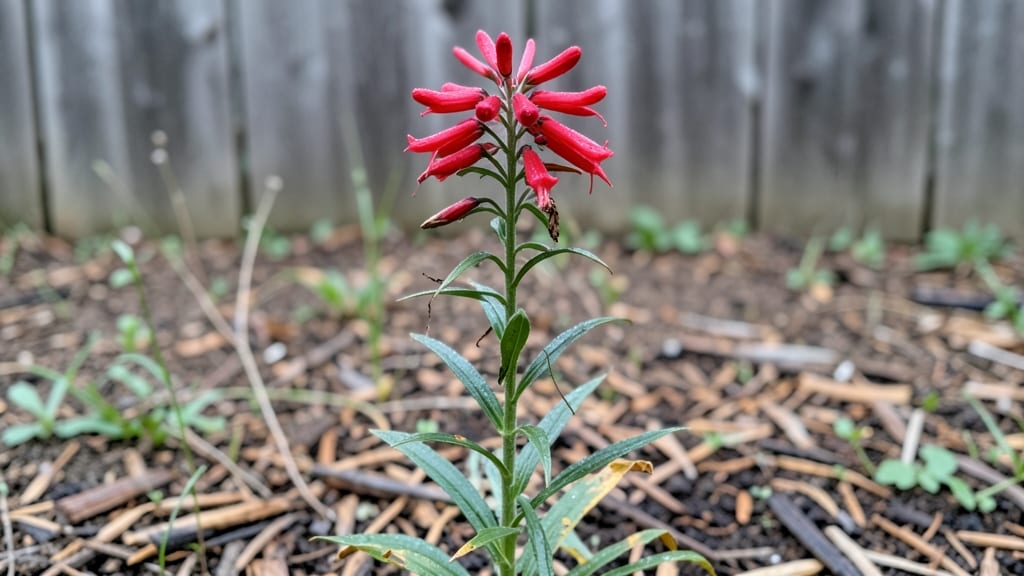
Growing cardinal flower delivers stunning red spikes that hummingbirds can't resist—these moisture-loving perennials thrive where most plants fail. 🌟 I planted mine along a shady pond edge last spring, and by midsummer, the vertical blooms became the garden's star attraction.
The secret lies in mimicking their native wetland habitat: rich, damp soil and partial shade. Most gardeners overlook cardinal flower because it seems fussy, but with the right conditions, it rewards you with months of vibrant color and constant hummingbird visits.
The plants need 6-8 hours of morning sun and afternoon shade, especially in hotter climates, to prevent wilting. Start with well-draining soil amended with 3-4 inches of compost—cardinal flower tolerates soggy roots but hates compacted soil.
Space seedlings 18-24 inches apart to allow their upright growth habit, and water consistently to keep the soil evenly moist. In my experience, the first year focuses on establishing roots, while the second year delivers the boldest blooms from late summer through fall.
You'll know you've succeeded when ruby-red flower spikes rise 2-3 feet tall, each packed with tubular blooms that hummingbirds adore. The foliage stays lush and green, even in heat waves, making it a reliable choice for shady garden corners.
Once established, cardinal flower spreads slowly via rhizomes, creating natural drifts over time. For maximum impact, pair it with hostas or astilbes to create layered shade combinations that thrive together.
Advanced gardeners can extend the season by cutting back faded blooms in early fall—this encourages a second flush of flowers in mild climates. Just avoid pruning after frost, as the plants need time to harden off.
Common mistakes include planting in full sun or letting the soil dry out completely; both lead to leggy stems and fewer flowers. With proper care, your cardinal flower will become the hummingbird magnet of your garden, year after year.
📚 In This Guide
- What you need
- Instructions
- Tips and common mistakes
- Wrapping up and next steps
What you need
- ● Cardinal flower seeds: 1 packet (50–100 seeds) or 3–5 live plants (for faster results). Choose heirloom or organic seeds if possible.
- ● Well-draining potting mix: 2–3 gallons of peat-free, moist but aerated soil (e.g., a blend of compost, perlite, and coco coir).
- ● Growing containers: Seedlings: 4–6 4-inch pots with drainage holes.
- ● Mature plants: 1–2 12–18-inch containers or a partial-shade garden bed (6+ inches deep).
- ● Watering can or spray bottle: With a fine rose nozzle for gentle hydration.
- ● Fertilizer: Seedlings: Balanced liquid fertilizer (10-10-10) or fish emulsion.
- ● Mature plants: Low-nitrogen, high-phosphorus fertilizer (5-10-10) for blooms.
- ● Mulch: 1–2 inches of organic mulch (e.g., shredded bark or straw) to retain moisture.
- ● Pruning shears: For trimming spent blooms (encourages more flowers!).
- ● Garden gloves: To protect hands from mildly sticky sap.
- ● Hummingbird feeder: Place nearby to attract pollinators (bonus: they’ll love your flowers! 🐦).
- ● Shade cloth (30–50% coverage): If your climate has intense afternoon sun.
- ● pH test kit: Ideal soil pH: 5.0–6.5 (cardinal flowers thrive in slightly acidic soil).
Step-by-Step guide to growing cardinal flower for stunning hummingbird gardens
Here's how to cultivate this showstopper—tender yet resilient—with minimal fuss.
🌱 Step 1: Prepare the Perfect Moist, Shady Site
Cardinal flower (Lobelia cardinalis) thrives in partial to full shade with consistently moist, well-draining soil. I dig a hole twice as wide as the root ball but only as deep—these plants hate having their crowns buried. Amend the native soil with 2-3 inches of compost mixed into the top 6 inches to improve moisture retention and fertility.
This is the moment that matters: Test drainage by filling the hole with water and watching it drain. If it pools for more than 15 minutes, raise the planting area or mix in 1 part perlite per 3 parts soil. Cardinal flower roots rot quickly in soggy conditions, but they’ll also wilt if the soil dries out.
🪴 Step 2: Plant Bare-Root Starts at the Right Time
Spring is ideal, but I’ve had success planting in early fall too—just avoid frost. Soak the bare roots in lukewarm water for 30 minutes before positioning the plant so the crown sits 1 inch above soil level. Spread roots gently outward to encourage outward growth, then backfill with native soil mixed with compost.
Firm the soil lightly around the base to eliminate air pockets, then water deeply until moisture reaches 6 inches down. You’ll see the soil surface darken and small bubbles rise—this confirms proper saturation. Mulch with 2 inches of shredded bark to retain moisture and suppress weeds, but keep it 3 inches away from the stem to prevent rot.
☀️ Step 3: Maintain Consistent Moisture and Fertility
Cardinal flower demands 1-2 inches of water weekly, but never let it sit in standing water. I water at the base in the morning to reduce evaporation and fungal risks. Fertilize lightly with a balanced 10-10-10 formula every 4-6 weeks during the growing season—too much nitrogen produces lush foliage but fewer blooms.
Watch for leggy growth, which signals insufficient light. If stems stretch toward the sun, move the plant to a spot with morning sun and afternoon shade. Deadhead spent blooms by pinching off the faded flowers just above the next set of leaves—this redirects energy to new growth and prolongs the flowering season.
✂️ Step 4: Divide and Propagate Every 2-3 Years
Cardinal flower spreads slowly but benefits from division every 2-3 years to rejuvenate growth. Dig up the clump in early spring or fall, then separate it into 3-4 inch sections, each with roots and at least one shoot. Replant immediately in fresh soil, watering deeply to settle the roots.
Here’s the thing—cardinal flower self-seeds aggressively if you let it. To control spread, remove seed pods before they burst open. I snip them off with clean shears when they turn brown. If you want more plants, collect seeds and sow them in a shaded nursery bed in early spring—they germinate best in 60-65°F soil.
💧 Step 5: Winter Care for Cold Climates
In zones 3-5, protect cardinal flower with 4-6 inches of mulch after the first frost. I use straw because it insulates better than bark. In milder zones (6-9), no winter prep is needed—these plants handle frost like champions.
Prune back dead foliage in early spring, cutting stems down to 2 inches above ground level. New shoots emerge quickly, and you’ll see fresh growth within 3-4 weeks if temperatures stay above 50°F. Avoid fertilizing until you spot new leaves—this prevents root burn in cold soil.
Tips & tricks for perfect cardinal flower cultivation
Here's what I learned after years of growing cardinal flower—these tricks make all the difference between a struggling plant and a showstopper that hummingbirds can't resist.
Soil Test Trick: The 15-minute drainage test in Step 1 is non-negotiable. I've learned the hard way that cardinal flower roots rot faster than you'd think in soggy soil. If your soil drains too slowly, mix in that perlite ratio (1:3) and test again—you want water to disappear within 10 minutes for ideal conditions. Pro tip: Use a trowel to create small drainage channels around the plant's base after planting to prevent future water pooling.
Root Soaking Secret: That 30-minute lukewarm water soak in Step 2 isn't just about hydration—it's about waking up dormant root tips. I've found that adding a pinch of seaweed fertilizer to the soaking water gives plants a subtle growth boost. Just don't overdo it; the roots are delicate and can absorb too much fertilizer this way.
Light Balance Hack: When your cardinal flower starts stretching toward the sun (that leggy growth warning in Step 3), it's telling you it needs more shade. The perfect spot is where it gets morning sun and afternoon shade—think dappled light under trees. If you're container growing, rotate pots weekly so all sides get even light exposure. This prevents the plant from growing lopsided and maximizes bloom production.
Winter Prep Insight: For zones 3-5, that 4-6 inches of straw mulch in Step 5 is your plant's winter blanket. I've had success using leaves as a free alternative, but they compact more than straw. The key is to apply mulch after the first frost when soil temps drop below 50°F—this protects roots from freeze-thaw cycles that can damage them. In spring, remove mulch gradually as new growth appears to prevent sudden temperature shocks.
Pro Tips for Grow Cardinal Flower
- Here's what I learned after years of growing cardinal flower—these tricks make all the difference between a struggling plant and a showstopper that hummingbirds can't resist.
- Soil Test Trick: The 15-minute drainage test in Step 1 is non-negotiable.
- Root Soaking Secret: That 30-minute lukewarm water soak in Step 2 isn't just about hydration—it's about waking up dormant root tips.
Frequently asked questions
Got questions about growing cardinal flowers?
Here are some of the most common ones—plus quick answers to help you cultivate these vibrant blooms like a pro!
How long does it take for cardinal flower seeds to germinate?
Cardinal flower seeds can take anywhere from 2 to 6 weeks to sprout, depending on soil temperature and moisture. Keep the soil consistently damp (but not soggy) and place the pot in a warm, shaded spot. Patience is key—these seeds are slow starters but worth the wait!
When is the best time to plant cardinal flower seeds?
For the best results, sow seeds in early spring (after the last frost) or late summer (6–8 weeks before your first fall frost). Cardinal flowers thrive in cooler weather, so avoid planting in scorching summer heat. If you’re in a mild climate, fall planting can yield blooms the following year!
Why aren’t hummingbirds visiting my cardinal flowers?
Hummingbirds love cardinal flowers, but a few factors might deter them: overly crowded plants (they need space to hover), lack of nectar (deadhead spent blooms), or pesticides (stick to organic methods). Ensure your plants are healthy, well-watered, and placed in a sunny spot—hummingbirds will find them!
Can I grow cardinal flowers in containers instead of a garden bed?
Cardinal flowers adapt well to large containers (at least 12–18 inches deep) with well-draining soil. Choose a pot with good airflow, and place it in partial shade. Just keep the soil moist and fertilize lightly in spring. Containers work great for balconies or small gardens!
My cardinal flower leaves are turning yellow—what’s wrong?
Yellowing leaves often signal overwatering or poor drainage. Ensure the soil is moist but not waterlogged, and the pot has drainage holes. Check for root rot (soft, mushy roots) and repot if needed. If the issue persists, it could also be nutrient deficiency—try a balanced fertilizer in early spring.
Wrapping up and next steps
Growing cardinal flower is a rewarding journey that brings vibrant color and life to your garden while supporting local wildlife! 🌸 With the right soil, sunlight, and care, these striking red blooms will thrive and become a hummingbird magnet.
Start small—whether in containers or garden beds—and watch your efforts bloom into beauty.
Ready to get growing? Plant your seeds or seedlings this season and enjoy the magic of nature unfolding right before your eyes. Happy gardening! 🌱