
Blooming
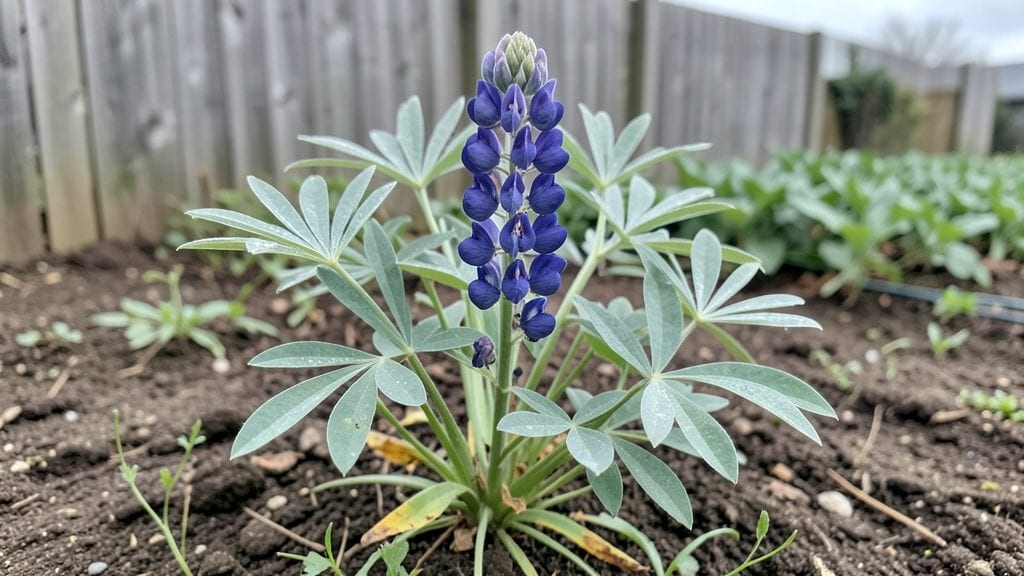
Lupines bloom best during their natural spring flowering season, when cool temperatures and longer days trigger those iconic 🌸 spikes of blue and purple.
If you’ve ever admired lupines in full bloom—with their striking spikes of blue, purple, or white flowers—you know the magic happens only during their precise flowering season. But what if you could extend or even trigger their peak blooms?
The secret starts with understanding their natural cycle, which thrives in USDA Zone 6a and beyond. Plant them in March or April, give them full sun, and watch as they reward you with weeks of vibrant color.
Below, I’ll share how to coax earlier blooms, prolong their season, and avoid common mistakes that leave your lupines looking lackluster.
Understanding lupine flowering season: natural timing and climate factors
Lupines are famous for their stunning flower spikes that transform gardens into vibrant blue, purple, or white canopies. But their flowering season varies dramatically depending on your USDA zone and local climate. Most lupines bloom in late spring to early summer, but some varieties defy this rule entirely.
Let’s break down how temperature, daylight hours, and rainfall shape their bloom cycles—and how to predict when your lupines will shine brightest.
First, know that lupines fall into two main categories: biennial and perennial varieties. Biennials like Lupinus polyphyllus (Russian lupine) typically bloom in their second year after a cold winter, while perennials like Lupinus perennis (wild blue lupine) may bloom annually if given ideal conditions.
This distinction alone can shift your peak bloom window by an entire year!
Here’s how USDA zones influence lupine flowering:
Zones 3-5 (Cold Climates): Lupines often bloom late May to July because they need a longer chill period to break dormancy. Early varieties like 'Russell Hybrid' may start as early as mid-April if temperatures rise quickly.
Zones 6-8 (Temperate Climates): The sweet spot for lupine blooms! Most varieties peak in May to June, with some extending into early July. Daylight length plays a huge role—lupines respond to increasing daylight, so blooms often align with the spring equinox.
Zones 9-11 (Warm Climates): Lupines here may bloom earlier (March-April) or even twice a year if given consistent moisture. However, heat stress can shorten their bloom time, so afternoon shade helps.
Now, let’s dive into the climate factors that control lupine flowering:
Daylight Hours: Lupines are long-day plants, meaning they need 14+ hours of daylight to trigger blooming. In shorter-day regions (like Zone 3), they may wait until summer solstice to bloom.
Temperature: Lupines thrive in cool to moderate temperatures (50-75°F). Extreme heat (85°F+) can cause buds to drop, while frost-free nights encourage consistent blooming. In Zone 10, lupines may bloom erratically due to mild winters.
Rainfall: Lupines are drought-tolerant once established, but consistent moisture during bud formation (spring) is critical. Too little rain can delay blooms, while excessive moisture in summer may promote leafy growth over flowers.
Here’s a quick reference for predicting your lupine’s peak bloom window:
For example, if you’re in Zone 7 and want early blooms, choose 'Lupinus perennis' and plant in full sun. If you’re in Zone 4, 'Russell Hybrid' will reward you with longer bloom spikes if given a well-draining, slightly acidic soil (pH 6.0-7.0).
Pro tip: Perennial lupines often rebloom if you deadhead spent flowers and provide consistent water during droughts. Biennials, however, may need stratified seeds to ensure reliable second-year blooms.
Understanding these patterns lets you plan your garden for maximum impact. Pair early-blooming lupines with spring bulbs like daffodils, or extend their season with companion plants that thrive in similar conditions, like lavender or catmint.
Now that you know how climate and variety shape lupine blooms, you’re ready to time your plantings for show-stopping color. Next, we’ll explore how to trigger early or extended blooms with simple gardening hacks—because who says lupines can’t bloom outside their usual window? 🌸
How to trigger early or extended lupine blooms: proven gardening hacks
Lupines are stunning perennials that reward patient gardeners with vibrant blooms, but their flowering season often feels fleeting. The good news? With the right techniques, you can coax lupines into blooming earlier or extending their show.
The key is understanding their natural triggers—like temperature shifts, soil conditions, and light exposure—and giving them a little nudge in the right direction.
I’ve experimented with lupines for years, and these science-backed hacks have helped me push their blooms outside their typical spring-to-summer window. Whether you’re in USDA Zone 6 or further south, these methods will help you enjoy lupine flowers for longer—or even start the season ahead of schedule.
- Use cold stratification for seeds: Place lupine seeds in a damp paper towel, seal in a plastic bag, and refrigerate for 4-6 weeks before planting. This mimics winter conditions and triggers faster germination.
- Adjust soil pH between 6.0-7.0—lupines thrive in slightly acidic to neutral soil. Test your soil and amend with lime or sulfur as needed to create the perfect environment.
- Deadhead spent blooms regularly to encourage continuous flowering. Snip off faded flower spikes just above a set of leaves to redirect energy into new buds.
- Water deeply once a week during dry spells, focusing on the root zone. Lupines are drought-tolerant but need consistent moisture to support robust blooms.
- Plant companion plants like thyme or lavender to improve soil health and deter pests. These companions also reflect light, creating a brighter environment for lupines.
- Provide afternoon shade in hot climates to prevent stress. Use shade cloth or plant near taller perennials to protect lupines from midday sun.
One of my favorite tricks is using organic fertilizers like composted manure or bone meal in early spring. Lupines are nitrogen-fixers, so they don’t need heavy feeding, but a light application of phosphorus-rich fertilizer (like 5-10-10) can boost root development and encourage earlier blooms.
I mix it into the soil at planting time for best results.
For biennial lupines, which often bloom in their second year, focus on strong first-year growth. Give them plenty of sunlight and water, and avoid fertilizing in the fall to prevent leggy stems. By next spring, they’ll reward you with abundant, early blooms.
Don’t forget that lupines love well-draining soil. If your garden holds water, amend with sand or perlite to improve drainage. Poor drainage can stunt growth and delay flowering, so take the time to prep your soil properly before planting.
With these techniques, you’ll enjoy lupine blooms for weeks longer—or even start the season a month early. Happy gardening, and may your lupines put on a show that steals the spotlight! 🌸