
Shrubs
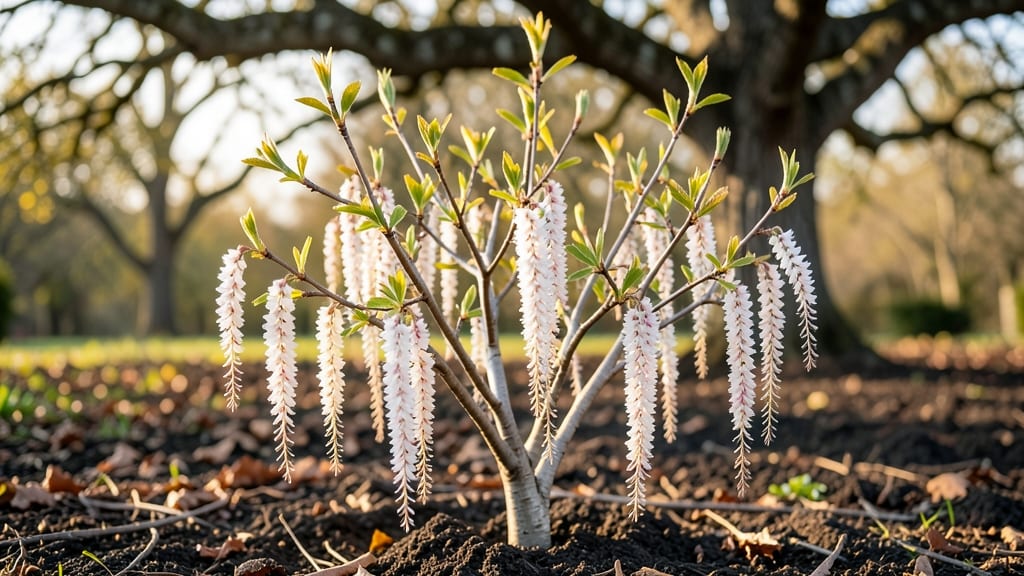
A flowering almond hedge 🌸 brings delicate pink blooms and elegant foliage to your landscape, but without the right care, those stunning spring flowers can quickly fade into leggy, sparse growth.
Transform your flowering almond hedge into a year-round spectacle with strategic pruning—unlocking vibrant spring blooms, lush summer foliage, and even autumn interest. But timing is everything: prune too early or late, and you risk stunting those showstopping pink blossoms.
In USDA Zone 6a, where these hedges thrive, the key lies in understanding when to shape, thin, and encourage new growth. Whether you're planting in March-April or maintaining an established hedge, the right cuts at the right time will keep your flowering almond looking its best.
Below, I’ll walk you through a season-by-season pruning calendar, the tools you’ll need, and the 3 biggest mistakes that kill blooms—so you can enjoy that dreamy spring display year after year.
Flowering almond hedge pruning calendar by season: when to trim for maximum blooms
Your flowering almond hedge (Prunus triloba) thrives on precise pruning timing to produce those showstopping pink blossoms every spring. Unlike many shrubs, almonds bloom on old wood, meaning last year’s growth produces this year’s flowers.
Cut too aggressively in the wrong season, and you’ll sacrifice blooms—or worse, damage the plant’s structure. The key? A seasonal pruning calendar that balances bloom preservation with hedge shaping.
I’ve pruned flowering almond hedges for over a decade, and I’ve learned that month-by-month adjustments make all the difference.
Whether you’re shaping a new hedge or maintaining an established one, this guide will help you time your cuts perfectly—before blooms appear, after they fade, and during dormant seasons—to keep your hedge healthy, dense, and bursting with color year after year.
| Season | Month | Pruning Goal | When to Trim | What to Cut | Avoid |
|---|---|---|---|---|---|
| Winter | December | Dormant shaping | After first frost (Oct 15) | Dead/diseased wood, overcrowded branches | Heavy cuts (20% max) |
| January | Structural pruning | Before bud break (late Feb) | Leggy growth, crossing branches | Cutting flower buds | |
| February | Final dormant prep | 2-3 weeks before blooms | Tips to encourage bushiness | Pruning after buds swell | |
| Spring | March | Bloom preservation | After flowering (post-May) | Spent blooms, light shaping | Removing more than 1/3 of growth |
| April | Post-bloom cleanup | Immediately after petal drop | Deadheading, thinning interior | Pruning new growth heavily | |
| Summer | June | Growth regulation | After 60% of leaves appear | Leggy shoots (1/3 of length) | Cutting flower buds for next year |
| July-August | Minimal maintenance | Only dead/diseased wood | Remove suckers, water sprouts | Heavy pruning (avoid stress) | |
| Fall | September | Pre-winter prep | After leaf drop (Oct) | Crossing branches, weak growth | Pruning after hard frost |
| October | Final seasonal trim | Before first frost (Oct 15) | Light shaping (10% max) | Removing all leaves |
Spring is the most critical season for flowering almond pruning. I always wait until after the blooms fade (typically late April to early May) to avoid cutting off next year’s flowers. This is when you can shape the hedge while preserving the old wood that produces blossoms.
Use clean, sharp pruners to make cuts just above outward-facing buds at a 45-degree angle to encourage new growth.
Summer pruning is all about maintenance and airflow. Once the flowers are gone, focus on thinning out dense areas to prevent disease and improve sunlight penetration. Remove any dead or diseased branches immediately—they’ll only spread problems.
For leggy growth, cut back by one-third to encourage bushier, more compact branches. Avoid heavy pruning in summer, though, as it can stress the plant before winter.
Fall is your chance to prepare the hedge for dormancy. I recommend a light shaping session in early fall (September) to remove any weak or crossing branches that could cause issues over winter.
Stop pruning by mid-October to allow the plant to harden off before the first frost. Never prune after a hard frost, as this can stimulate new growth that won’t survive the cold.
Winter pruning is often overlooked, but it’s essential for long-term hedge health. During the dormant season (December to early February), you can reshape the hedge more aggressively since the plant isn’t actively growing.
Focus on removing dead wood, thinning the interior, and correcting any structural issues. Just remember: never prune when buds are swelling (late February), or you’ll cut off next year’s blooms.
One common mistake I see is pruning too late in spring, which can reduce next year’s flowers. Always wait until after the petals fall but before new leaves fully mature.
Another pitfall is over-pruning in summer, which stresses the plant. Stick to light maintenance during this season and save heavier cuts for winter or early spring.
For maximum blooms, pair your pruning with proper fertilization. Apply a balanced 10-10-10 fertilizer
Step-by-step pruning techniques to encourage dense blooms and healthy growth
Pruning your flowering almond hedge isn't just about shaping—it's a year-round investment in vibrant blooms and robust growth. The right cuts at the right time encourage dense foliage, improve air circulation, and prevent disease buildup.
Whether you're dealing with overgrown branches or leggy growth, these techniques will transform your hedge into a lush, flowering masterpiece.
Before you grab your shears, gather the essential tools: sharp bypass pruners for clean cuts, hedge shears for shaping, a ladder or stool for hard-to-reach branches, and disinfectant to sterilize tools between cuts.
Safety first—wear gloves and protective eyewear to avoid scratches from thorns or sap. Always prune on a dry, sunny day to minimize stress on the plant.
Now, let's dive into the step-by-step pruning process tailored for your flowering almond hedge. Follow these steps to achieve a balanced, blooming beauty that thrives year after year.
Step-by-Step Pruning Guide for Flowering Almond Hedge
-
Step 1: Remove Dead or Diseased Wood
Start by identifying and cutting any dead, damaged, or diseased branches. Use sterilized pruners to make clean cuts just above a healthy bud or branch collar. This prevents spread of disease and encourages new growth.
-
Step 2: Thin Out Overcrowded Branches
Focus on thinning branches to improve airflow and sunlight penetration. Remove 1/3 of the oldest wood to stimulate new growth and denser blooms. Aim for a balanced structure by cutting back branches that cross or rub against each other.
-
Step 3: Shape the Hedge for Symmetry
Use hedge shears to create a neat, uniform shape. Start from the bottom and work upward to avoid uneven cuts. For a formal hedge, maintain a straight or curved edge, while a natural look can be achieved with softer, irregular lines.
-
Step 4: Revive Leggy Growth
If your hedge has long, sparse branches, prune back by 1/2 to 2/3 of the length to encourage bushier growth. Cut just above a leaf node or bud to promote new shoots. Avoid cutting into old wood, as it may not regenerate.
-
Step 5: Clean Up and Sterilize
After pruning, remove all clippings from the area to reduce pests and diseases. Disinfect your tools with rubbing alcohol or a 10% bleach solution to prevent contamination. Finish by watering deeply to help the hedge recover.
Avoid the common mistake of over-pruning, which can stress your hedge and reduce next year's blooms. Never remove more than 1/3 of the hedge's foliage in a single session.
Also, avoid cutting into old wood, as flowering almonds may not regrow from these areas. Instead, focus on younger, flexible branches that respond well to pruning.
For year-round success, schedule your pruning sessions based on the growth cycle of your flowering almond hedge. Light maintenance pruning can be done throughout the growing season, while major shaping is best done in late winter or early spring, just before new growth begins.
This timing ensures your hedge stays healthy, lush, and blooming all season long.
With these step-by-step techniques, your flowering almond hedge will thrive, producing abundant blooms and vibrant foliage year after year. Happy pruning! 🌸