
Blooming
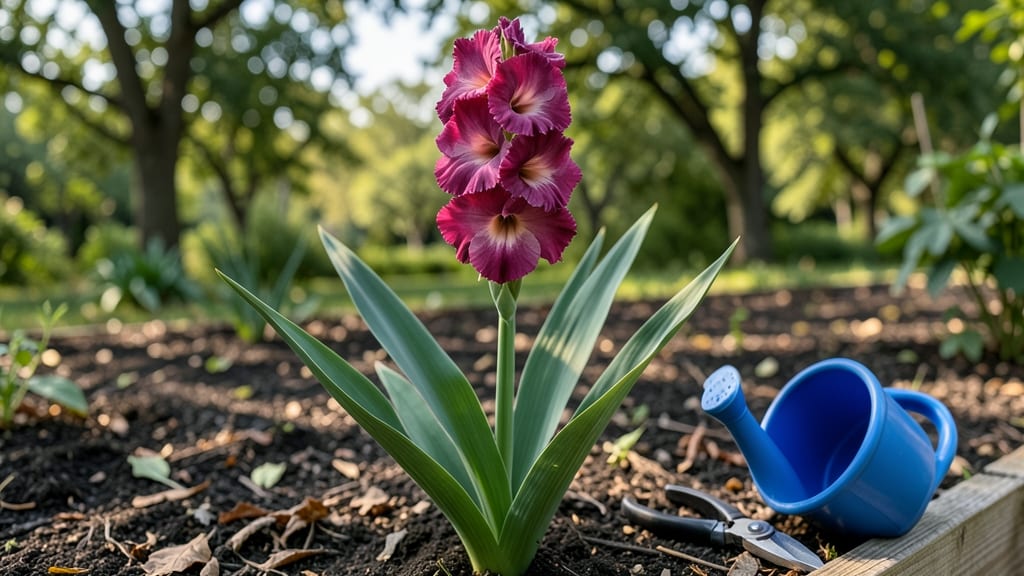
Your gladiolus flowering period starts around mid-summer and stretches into early fall, transforming your garden into a showstopper with those iconic sword-like blooms 🌸.
Wondering when your gladiolus will burst into vibrant blooms? Timing is everything in gardening—plant too early or late, and you’ll miss the stunning floral display these summer favorites deliver.
In USDA Zone 6a, most varieties bloom between July and September, but cooler regions may see flowers as early as June, while warmer climates can enjoy them from May through October.
Here’s how to maximize your gladiolus blooms—from planting tips to seasonal care—so you get the longest, most spectacular flowering period possible.
Gladiolus flowering period by USDA hardiness zones: when to expect blooms
Gladiolus flowers are summer's showstoppers, but their flowering period varies dramatically depending on your USDA hardiness zone. In colder zones like Zone 3, blooms arrive later in summer, while warmer Zone 9 gardens enjoy early spring displays.
Understanding these patterns helps you plan your garden layout and variety selection for continuous color.
Your location determines everything from planting timing to bloom duration. For example, gardeners in Zone 7 typically see flowers from June through August, while those in Zone 10 might enjoy blooms as early as March.
Let's break down what to expect in each zone, including early, mid, and late-season varieties that extend your floral season.
🌱 Pro Tip: Always check your last frost date and adjust planting times accordingly. Gladiolus corms need warm soil to sprout, so waiting until after frost ensures healthy growth.
🌸 Visual Guide: Below is a month-by-month breakdown of gladiolus flowering periods across USDA Zones 3-10, including popular varieties that thrive in each climate.
In Zone 3, where winters are harsh, gladiolus corms often need winter protection or must be dug up and stored. Varieties like 'White Prosperity' bloom later in the season, typically from July through August, when soil temperatures are ideal.
These late bloomers provide a splash of color when many other summer flowers are fading.
Gardeners in Zone 5 enjoy a longer bloom window thanks to milder winters. Planting a mix of early-season varieties like 'Picasso' and late-season types such as 'Swan Lake' ensures continuous blooms from June through September. Staggered planting—every 2-3 weeks—creates a cascading effect in your garden beds.
For those in warmer zones like Zone 9 and 10, gladiolus can bloom as early as March, making them perfect for extending your spring color palette. Varieties like 'Early Giant' thrive in these climates, producing large, vibrant blooms that last well into summer.
However, be cautious of heat stress in late summer, which can cause flowers to bolt prematurely.
If you're in Zone 7, where summer temperatures can soar, focus on
How to extend your gladiolus flowering season naturally
Gladiolus flowers are a gardener’s pride, but their natural flowering period can feel short-lived. With the right techniques, you can stretch those vibrant blooms for weeks longer than usual. The secret lies in mimicking nature’s rhythm while giving your plants the support they need to thrive.
I’ve found that small adjustments in planting, sunlight, and care can transform a brief summer display into a prolonged floral spectacle.
One of the biggest misconceptions is that gladiolus blooms are fleeting. In reality, their flowering period can be extended significantly with intentional planning. Whether you’re a beginner or a seasoned gardener, these strategies will help you maximize your gladiolus’ potential.
The key is understanding how to balance growth and flowering without overburdening the plant.
- 🌱 Staggered Planting: Plant new corms every 2 weeks from early spring to early summer. This ensures a continuous flowering sequence instead of one massive bloom.
- ☀️ Full Sun Exposure: Gladiolus need 6+ hours of direct sunlight daily. Place them in the sunniest spot in your garden to encourage robust growth and longer blooms.
- 💧 Deep Watering: Water at the base of the plant in the morning to avoid fungal issues. Aim for 1 inch of water weekly, adjusting for heat or drought.
- 🌿 Well-Draining Soil: Amend heavy soil with compost or sand to prevent waterlogging. Gladiolus hate soggy roots, which can stunt flowering.
- ✂️ Deadhead Regularly: Remove spent blooms to redirect the plant’s energy into new flower production rather than seed development.
- 🌡️ Avoid Over-Fertilizing: Too much nitrogen-rich fertilizer promotes leafy growth at the expense of blooms. Use a balanced 10-10-10 fertilizer instead.
Let’s talk about staggered planting first—this is my favorite trick for extending the flowering season. By planting corms in two-week intervals, you create a cascade of blooms. For example, if you plant your first batch in early May, follow up with another in mid-May and late May.
This way, when the first batch starts fading, the next one is just beginning to bloom. It’s like having a non-stop floral show all summer long!
Another critical factor is sunlight exposure. Gladiolus are sun worshippers and need at least 6 hours of direct sunlight daily. If your garden has areas with partial shade, consider using reflective surfaces like white mulch or mirrors to bounce extra light onto the plants.
I’ve seen gladiolus in shadier spots produce fewer, smaller blooms, so don’t skimp on sunlight if you want that show-stopping display.
Watering might seem straightforward, but it’s where many gardeners go wrong. Gladiolus need consistent moisture, but their roots must also breathe. I water mine deeply in the morning to reduce evaporation and fungal risks.
A good rule of thumb is to water until the soil is moist 6 inches deep. Overwatering can lead to rotten corms, which is a surefire way to shorten your flowering season. Use a moisture meter if you’re unsure—it’s a small investment for big results!
Finally, don’t underestimate the power of deadheading. When you remove spent blooms, you’re telling the plant to focus its energy on producing new flowers instead of seeds. I make it a habit to check my gladiolus every few days and snip off any faded blooms with clean pruners.
This simple step can add weeks to your flowering period and keep your garden looking fresh and vibrant.