
Flowers
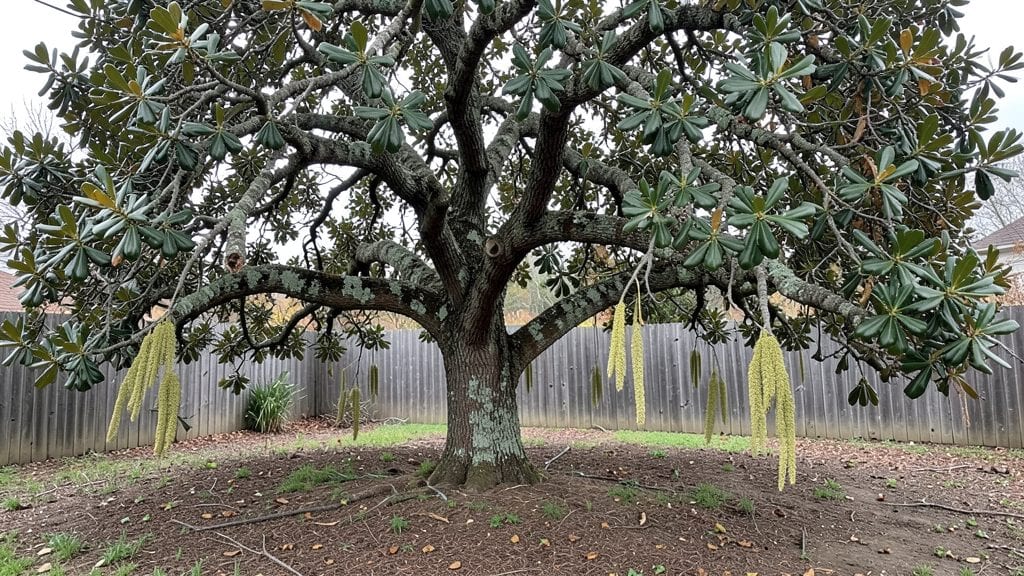
The sweetest surprise of spring is watching live oak flowers unfurl like whisper-thin catkins, their delicate strands swaying in the breeze. 🌿 These aren’t the flashy blooms you’d expect from a shade tree, but their subtle beauty and resilience make them special.
Unlike many trees, live oaks don’t need coddling—they thrive in drought and heat, their flowers appearing in late winter or early spring when most gardens are still dormant.
Encouraging those fragrant strands is simpler than you’d think. Live oaks love full sun and well-draining soil, but they’re tough enough to handle poor conditions once established. Prune in late winter to remove dead wood, and avoid heavy trimming—these trees flower best when they’re healthy but not stressed.
The flowers themselves are tiny, yellowish-green catkins that dangle like nature’s chandeliers, attracting bees and butterflies before turning into acorns later in the season.
Here’s the kicker: while live oaks are prized for their shade, their flowers are a bonus, not the main attraction. They’re not showy like azaleas, but their presence signals a thriving tree.
The real magic happens when you step back and notice how they transform your yard—not with color, but with quiet, enduring grace. Ready to nurture one that does it all?
Whether you’re planting a sapling or caring for a mature tree, live oaks reward patience with both shade and seasonal interest. The flowers may be fleeting, but their impact lingers—just like the tree itself. Let’s get growing!
📚 In This Guide
- What you need
- Instructions
- Tips and common mistakes
- Wrapping up and next steps
What you need
- ● Live Oak Seeds or Saplings: 3–5 seeds (if starting from scratch) or 1–2 young saplings (for faster growth). Choose disease-resistant varieties if available.
- ● Well-Draining Soil: A mix of native soil (if possible), sandy loam, and compost (ratio: 2:1:1). Live oaks hate soggy roots!
- ● Sunlight Access: A location with full sun (6+ hours/day) or partial shade (especially in scorching climates).
- ● Watering Can or Drip Irrigation: For deep, infrequent watering (1–2 inches per week, more during droughts).
- ● Mulch: 2–3 inches of wood chips or pine straw to retain moisture and suppress weeds.
- ● Garden Gloves (to protect hands from thorns and rough bark).
- ● Trowel or Shovel (for transplanting seedlings or digging holes).
- ● Pruning Shears (sterilized with rubbing alcohol) for shaping or removing dead branches.
- ○ pH Test Kit (optional but helpful—live oaks prefer slightly acidic to neutral soil (pH 5.0–7.0)).
- ○ Stakes & Twine (optional, for young saplings in windy areas).
- ● Slow-Release Fertilizer (balanced 10-10-10 or oak-specific formula, applied once a year in early spring).
- ● Drought-Resistant Ground Cover (e.g., buffalo grass or clover) to mimic natural ecosystems.
- ● Bird Feeder (to attract pollinators like bees and butterflies—live oak flowers love visitors! 🐝).
- ● Camera or Sketchbook (for documenting blooms—these flowers are stunning up close!).
How to cultivate live oak flowers for fragrant blooms
Live oak flowers bring delicate beauty and a sweet scent to your landscape—but they need patience and the right conditions.
🌱 Step 1: Choose the Right Location for Planting
Live oak flowers thrive in full sun, meaning at least 6-8 hours of direct sunlight daily. I always pick the warmest, most exposed spot in my yard because these blooms wilt quickly in shade. The soil should drain well—clay or compacted ground will drown the roots before flowers even appear.
Test drainage by digging a 12-inch deep hole and filling it with water. If it drains in under an hour, the site is perfect. If water pools after 24 hours, amend the soil with 3-4 inches of coarse sand or crushed gravel to improve airflow to the roots.
☀️ Step 2: Prepare the Soil for Optimal Growth
Live oak flowers prefer slightly acidic to neutral soil with a pH between 6.0-7.5. Grab a soil test kit to check your yard’s pH—if it’s too alkaline, mix in 2-3 inches of peat moss or pine bark fines to lower it gradually. Avoid fresh mulch or compost right at planting time; it can burn tender roots.
Loosen the soil to a depth of 18 inches with a broadfork or shovel, breaking up any hardpan. This helps roots spread deep where they can access moisture during drought. I like to work in a handful of slow-release fertilizer (10-10-10 ratio) at planting to encourage early blooms.
🪴 Step 3: Plant Bare-Root or Container-Grown Saplings
For bare-root saplings, soak the roots in lukewarm water for 1 hour before planting to revive them. Dig a hole twice as wide as the root ball but only as deep—planting too deep suffocates the stem. Place the sapling in the center, then backfill with native soil, tamping gently to remove air pockets.
If using container-grown plants, remove it from the pot and tease the roots outward if they’re circling. This encourages outward growth instead of a tangled mess. Water deeply right after planting to settle the soil and eliminate air gaps around the roots.
💧 Step 4: Water Deeply and Establish a Drought-Resistant Routine
Water once a week for the first month, soaking the soil to a depth of 12 inches. You’ll know it’s enough when water runs out the drainage holes. After that, reduce to every 10-14 days—live oaks hate soggy feet but tolerate dry spells once established.
Real talk: Overwatering is the #1 killer of young live oaks. The leaves will yellow if the roots sit in wet soil, and the plant may never recover. Let the top 2-3 inches of soil dry out between waterings once the roots are settled.
✂️ Step 5: Prune for Shape and Encourage Blooms
Prune in late winter or early spring before new growth begins. Remove any dead, crossing, or diseased branches with clean, sharp pruners. Cut just outside the branch collar—the little bump where the branch meets the trunk—to prevent unsightly stubs.
Live oaks bloom on old wood, so avoid heavy pruning in fall or winter. If you see leggy growth, trim back by 1/3 of the length to encourage bushier, more compact growth. The first flowers usually appear in 3-5 years, but proper pruning speeds up the process.
Tips & tricks for perfect live oak flower cultivation
Between us, growing live oak flowers isn't just about planting and waiting—it's about creating the perfect conditions for those fragrant blooms to thrive. Here's what I've learned after watching my first batch struggle and then flourish.
Sunlight Strategy: The 6-8 hours of direct sun in Step 1 isn't just a suggestion—it's non-negotiable for these delicate blooms. I've seen them wilt dramatically within hours when moved to partial shade. If your yard doesn't get full sun, consider planting near a south-facing wall or using reflective surfaces like white fencing to maximize light exposure. Trust me on this: those fragrant petals need all the sunlight they can get to develop properly.
Drainage Test Hack: That 24-hour drainage test in Step 1 is your best friend for preventing root rot. I learned this the hard way after my first sapling died from soggy soil. For a quicker test, use a percolation test: dig a 12-inch hole, fill with water, then time how long it takes to drain completely. If water disappears in under an hour, you're golden. If it's still wet after 24 hours, you absolutely need to amend with that 3-4 inches of coarse sand or gravel.
Root Revival Technique: The 1-hour lukewarm water soak for bare-root saplings in Step 3 is crucial for reviving those delicate roots. I've found that adding a splash of seaweed extract to this water boosts root growth even more. After soaking, gently massage the roots to encourage them to unfurl naturally before planting. This simple step can double your success rate with bare-root plants.
Pruning Timing: That late winter/early spring pruning window in Step 5 is your golden opportunity to shape your tree while encouraging blooms. I like to mark my calendar for February 15th as my target date—right when the first robins return. This timing gives the tree time to recover before summer heat arrives. And remember, those 3-5 years until first flowers? Proper pruning can actually shave off 1-2 years from that timeline.
Pro Tips for Live Oak Flowers
- Between us, growing live oak flowers isn't just about planting and waiting—it's about creating the perfect conditions for those fragrant blooms to thrive.
- Sunlight Strategy: The 6-8 hours of direct sun in Step 1 isn't just a suggestion—it's non-negotiable for these delicate blooms.
- Drainage Test Hack: That 24-hour drainage test in Step 1 is your best friend for preventing root rot.
Frequently asked questions
Got questions about nurturing live oak flowers? You’re not alone! Here are answers to the most common curiosities—from timing to troubleshooting—so you can grow these fragrant beauties with confidence.
When do live oak flowers bloom, and how long do they last?
Live oak flowers (technically catkins) appear in early spring, typically between February and April, depending on your climate. Male flowers release pollen in dangling clusters, while female flowers are tiny and less showy. Blooms last 2–4 weeks, but their fragrance lingers for days—perfect for attracting pollinators like bees and butterflies!
Why aren’t my live oak flowers blooming?
If your tree skips blooms, check these 3 common culprits:
- Age: Young trees (under 10 years) may not bloom yet—they prioritize root growth first.
- Stress: Overwatering, drought, or poor soil can delay flowers. Ensure well-draining soil and moderate watering (1–2 inches per week).
- Location: Live oaks need full sun (6+ hours daily) to trigger blooming. Shady spots = fewer flowers.
Pro tip: A light pruning in late winter can encourage healthier blooms—just avoid heavy cuts!
Can I grow live oak flowers in containers or small gardens?
Live oaks are large trees (50–80 ft tall at maturity), so they’re not ideal for containers. However, you can grow dwarf varieties like Quercus virginiana ‘Seminole’ (a compact cultivar) in large pots (20+ gallons) with fast-draining soil. For small gardens, consider alternatives like Fringe Tree (Chionanthus) or Southern Magnolia, which also thrive in heat and humidity.
Are live oak flowers toxic to pets or humans?
Great news! Live oak flowers, leaves, and bark are non-toxic to humans and pets. While the pollen might trigger allergies in sensitive individuals (like seasonal hay fever), the tree itself poses no risk. That said, always supervise pets near new plants—they might nibble out of curiosity!
How do I encourage more fragrant blooms next year?
Boost next season’s blooms with these 3 easy steps:
- Feed in early spring: Use a balanced fertilizer (10-10-10) or one high in nitrogen to support growth.
- Prune strategically: Remove dead or crossing branches in late winter to improve airflow and sunlight.
- Mulch well: Apply 2–3 inches of mulch around the base (keep it 6 inches from the trunk) to retain moisture and regulate soil temp.
Bonus: Live oaks love heat and drought—once established, they rarely need extra water!
Wrapping up and next steps
Live oak flowers may seem delicate, but their resilience in drought and heat makes them a low-maintenance yet stunning addition to any landscape. Whether you're drawn to their fragrant charm or their drought-tolerant nature, these flowers prove that beauty thrives even in tough conditions. 🌿✨
Ready to bring these hardy blooms into your garden? Start by selecting the right location, gathering your supplies, and following the steps we’ve shared. With patience and care, you’ll soon be rewarded with a canopy of fragrant, evergreen elegance!