
Neem Oil
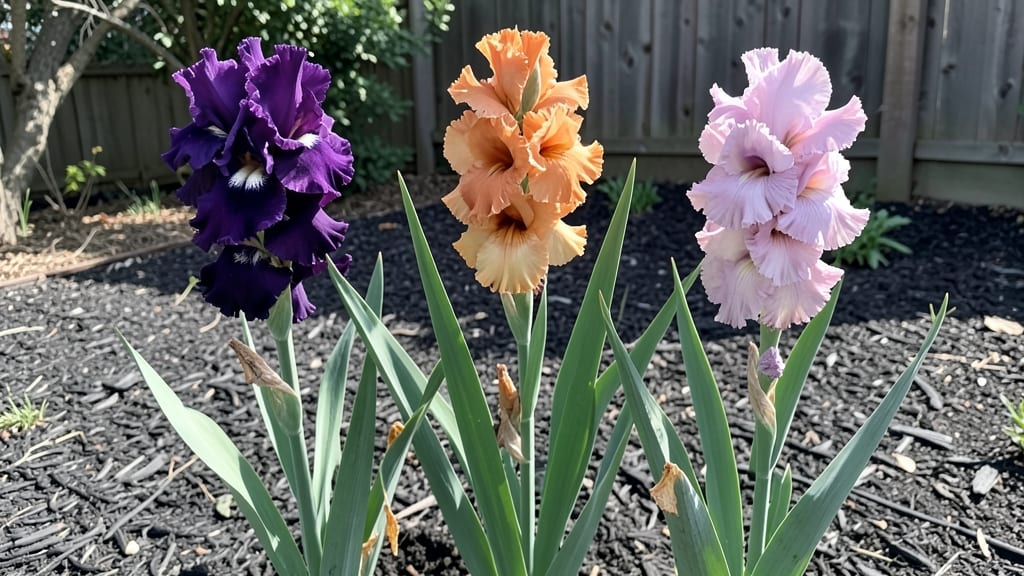
Growing gladiolus large-flowered mix transformed my garden borders from ordinary to show-stopping. 🌸 These towering stems—some reaching 5 feet tall—hold blooms so bold they make every bouquet feel like a statement piece.
The secret lies in their love of sun, well-draining soil, and a little patience for those dramatic spikes to emerge.
Start with corms planted 2-4 inches deep in spring after the last frost, spacing them 6 inches apart in rich, slightly sandy soil. They crave full sun (6+ hours daily) and regular watering—1 inch per week—but never soggy roots.
The key? Fertilize lightly at planting, then again when spikes hit 12 inches, to fuel those showy blooms without flopping stems.
By midsummer, you’ll be snipping stems for arrangements that last 10+ days in a vase, their colors popping against any backdrop. Gladiolus also repel pests naturally—just watch for thrips or botrytis (gray mold) in humid climates.
Cut back faded foliage in fall, but leave corms in the ground—they’ll reward you next year with even bolder displays.
Perfect for cutting gardens, summer borders, or even container arrangements (choose dwarf varieties). The only mistake? Planting too late or in heavy clay. With these tips, your glads will outshine every neighbor’s garden—and your vase—all season long.
📚 In This Guide
- What you need
- Instructions
- Tips and common mistakes
- Wrapping up and next steps
What you need
- ● Gladiolus corms (Large-Flowered Mix): 10–20 corms per plant (or 1 corm per stem, depending on desired density). Choose firm, plump corms with no soft spots.
- ● Well-draining potting mix or garden soil: 5–10 gallons, amended with compost (20–30% organic matter) for optimal fertility.
- ● Fertilizer: Balanced granular fertilizer (10-10-10 or 20-20-20): 1–2 tablespoons per planting hole.
- ○ Slow-release fertilizer (optional but recommended): Mix 1 cup into the soil before planting for sustained nutrients.
- ● Mulch: 2–3 inches of straw, shredded bark, or pine needles to retain moisture and suppress weeds.
- ● Garden trowel or hand shovel: For digging planting holes (6–8 inches deep).
- ● Measuring tape or ruler: To ensure proper spacing (6–12 inches apart in rows, 12–18 inches between rows).
- ● Watering can or hose with a gentle spray nozzle: For consistent moisture without damaging corms.
- ○ Garden stakes or trellis (optional): Tall gladiolus may need support—use 3–4 ft stakes per plant if needed.
- ● Pruners or sharp scissors: For deadheading spent blooms and trimming foliage.
- ● Sunlight: Full sun (6–8 hours daily). Partial shade may reduce bloom size.
- ● Soil temperature: Plant when soil is at least 60°F (15°C)—typically after the last frost in spring.
- ● Water access: Consistent moisture (1–2 inches per week), but avoid waterlogging.
- ● Patience: Gladiolus take 80–100 days to bloom from planting!
Step-by-Step instructions for planting gladiolus corms
Here's how to grow those showstopping gladiolus blooms—tall, dramatic, and packed with color.
🌱 Step 1: Choose the Right Location and Prepare the Soil
Gladiolus thrives in full sun, so pick a spot that gets at least 6-8 hours of direct sunlight daily. These plants are heavy feeders, so enrich the soil with 2-3 inches of well-aged compost mixed into the top 12 inches of soil. If your soil drains poorly, amend it with sand or perlite to prevent corm rot—gladiolus hates soggy roots.
Test the soil pH before planting. Aim for a slightly acidic to neutral range (6.0-7.0). If your soil is heavy clay, work in organic matter like leaf mold or peat moss to improve aeration. The key is loose, fertile soil that holds moisture but drains freely. Avoid planting in low spots where water pools after rain.
⏰ Step 2: Plant Corms at the Correct Depth and Spacing
Timing matters—plant gladiolus corms 2-3 weeks after your last frost date when soil temperatures reach at least 60°F. Push each corm 4-6 inches deep, with the pointy end facing up (this is where the shoot will emerge). Space corms 6-8 inches apart in rows 12-18 inches apart to allow stems to grow tall without crowding.
Real talk: If you plant too shallow, stems will flop. If too deep, they’ll struggle to push through. A good rule is to bury the corm to a depth 3 times its width. Water gently after planting to settle the soil around the corms, but don’t overdo it—excess moisture can rot them before they sprout.
💧 Step 3: Water and Fertilize for Strong Growth
Keep the soil evenly moist but never soggy during the growing season. Water deeply once a week, aiming for 1 inch of water per week, and more during dry spells. You’ll know you’re on track when the soil feels damp 2-3 inches down but not waterlogged. Gladiolus needs consistent moisture to develop those thick, sturdy stems.
Feed the plants every 2-3 weeks with a balanced liquid fertilizer (10-10-10) once shoots reach 6 inches tall. Stop fertilizing 6-8 weeks after planting to encourage blooming. Too much nitrogen late in the season results in lush foliage but few flowers. Watch for yellowing leaves—this often signals either overwatering or nutrient deficiency.
☀️ Step 4: Support Stems and Deadhead for Longer Blooms
Gladiolus stems can grow 3-5 feet tall, so install stakes or cages at planting time to prevent flopping. Tie stems loosely with soft garden twine as they grow—tight knots restrict circulation. The goal is to let the plants grow upright without restricting airflow, which reduces disease risk.
Deadhead spent blooms immediately to redirect the plant’s energy into producing more flowers. Snip off faded blooms just above the next bud, but leave the lower leaves intact—they feed the corm for next year’s growth. If you see yellow or brown leaves at the base, it’s a sign of corm rot or viral disease. Remove infected plants promptly to protect healthy ones.
✂️ Step 5: Harvest and Store Corms for Next Season
After the first frost blackens the foliage, cut stems back to 2 inches above the soil but leave the corms in the ground. Dig them up 4-6 weeks later when the ground is dry and frost-free. Shake off excess soil and let them dry in a shady, well-ventilated spot for 1-2 weeks. Store corms in paper bags or mesh sacks in a cool (40-50°F), dry place until replanting.
Here’s the thing—larger corms produce bigger blooms, so cull small or damaged corms after harvest. Save only the healthiest ones for replanting. If you live in a cold climate, dig and store corms before the first frost—they won’t survive winter in the ground. I’ve found that corms stored properly can last 2-3 years, though they bloom best when replanted annually.
Tips & tricks for perfect gladiolus planting
Between us, these bold bloomers demand attention to detail—but once you master the basics, you'll grow stems that tower over your garden with confidence.
The Sunlight Secret: While 6-8 hours of sunlight is the minimum, I've found that gladiolus actually thrives with full sun exposure (8+ hours) for maximum bloom intensity. If your garden gets afternoon shade, consider planting them where they'll get morning sun and minimal afternoon filtering. The key is avoiding partial shade—gladiolus stems will lean toward the light, creating that unsightly "flop" we all want to avoid. Position your stakes at planting time to guide their growth before they need support.
Soil Temperature Matters: That 60°F minimum soil temperature in Step 2 isn't just a suggestion—it's critical for preventing corm rot. I learned this the hard way after planting too early in cool spring soil. Use a soil thermometer to verify temperatures, especially in northern climates. If your soil runs cooler, consider using black plastic mulch 1-2 weeks before planting to warm the soil naturally. The mulch also helps retain moisture during those critical early weeks of growth.
Fertilizer Timing Tip: The 2-3 week feeding schedule in Step 3 works perfectly, but here's what nobody tells you: gladiolus responds best to half-strength fertilizer applications during the first 4 weeks after sprouting. This gradual approach prevents root burn while still providing the nutrients needed for strong stem development. Once your plants reach 12 inches tall, you can switch to full-strength applications—this is when they really need that phosphorus boost for blooming.
Storage Wisdom: When storing corms at 40-50°F after harvest, I've found that adding a few wood ash shavings to the storage container helps prevent mold. The slightly alkaline ash creates a microclimate that deters fungal growth. Also, label your storage bags with the variety name and year—after 2-3 years, you'll want to prioritize replanting the largest, healthiest corms first. Remember that each year's storage reduces vigor slightly, so don't be afraid to refresh your collection with new corms every few seasons.
Pro Tips for Gladiolus Large Flowered Mix
- Between us, these bold bloomers demand attention to detail—but once you master the basics, you'll grow stems that tower over your garden with confidence.
- The Sunlight Secret: While 6-8 hours of sunlight is the minimum, I've found that gladiolus actually thrives with full sun exposure (8+ hours) for maximum bloom intensity.
- Soil Temperature Matters: That 60°F minimum soil temperature in Step 2 isn't just a suggestion—it's critical for preventing corm rot.
Frequently asked questions
Got questions about growing your gladiolus large-flowered mix? You're not alone! Here are some of the most common queries—plus quick, expert-backed answers to help your garden bloom like never before.
When is the best time to plant gladiolus bulbs?
Plant your gladiolus large-flowered mix bulbs in early spring (after the last frost) or late summer (6–8 weeks before the first frost). In warmer climates, fall planting works too! Choose a spot with full sun (6+ hours/day) and well-draining soil. Pro tip: Wait until soil temps hit 60°F (15°C) for best root establishment.
How long does it take for gladiolus to bloom?
From planting to full bloom, expect 8–12 weeks for gladiolus large-flowered mix. Early varieties may flower in 60–70 days, while late bloomers take closer to 100 days. Track your planting date and monitor soil moisture—consistent watering speeds up growth! Fun fact: The taller the stem, the longer the bloom time.
Why aren’t my gladiolus flowers opening?
If your gladiolus large-flowered mix buds aren’t opening, check these fixes:
- Insufficient sunlight: Move to a sunnier spot (glads need 6+ hours/day).
- Overwatering: Soil should stay moist but not soggy. Reduce watering if stems wilt.
- Nutrient deficiency: Feed with a balanced fertilizer (10-10-10) at planting and mid-season.
- Heat stress: In hot climates, provide afternoon shade to prevent buds from "baking."
Can I grow gladiolus in containers?
Gladiolus large-flowered mix thrives in deep containers (12"+ depth) with drainage holes. Use a lightweight potting mix and plant 3–5 bulbs per 5-gallon pot. Place containers in full sun and water regularly—containers dry out faster than garden beds. Bonus tip: Add compost to the mix for extra nutrients!
What’s the best way to overwinter gladiolus bulbs?
In USDA Zones 7–10, gladiolus bulbs are perennial and can stay in the ground with mulch (4–6 inches). In colder zones (below Zone 7), dig up bulbs after foliage yellows, trim stems, and store in a cool (40–50°F), dry place (like a garage) until spring. Warning: Avoid plastic bags—bulbs need air circulation to prevent rot!
Wrapping up and next steps
Growing a gladiolus large-flowered mix is a rewarding way to add drama and height to your garden! With the right soil, sunlight, and care, these stunning blooms will thrive and bring vibrant color to your outdoor space.
Whether you're a seasoned gardener or just starting out, their resilience and striking appearance make them a must-have for any landscape.
Ready to transform your garden? Start by selecting healthy corms and follow the steps outlined in this guide. Before you know it, you’ll be enjoying towering stems of bold, eye-catching flowers that turn heads—and maybe even inspire your neighbors to ask for tips! 🌸