Blooming
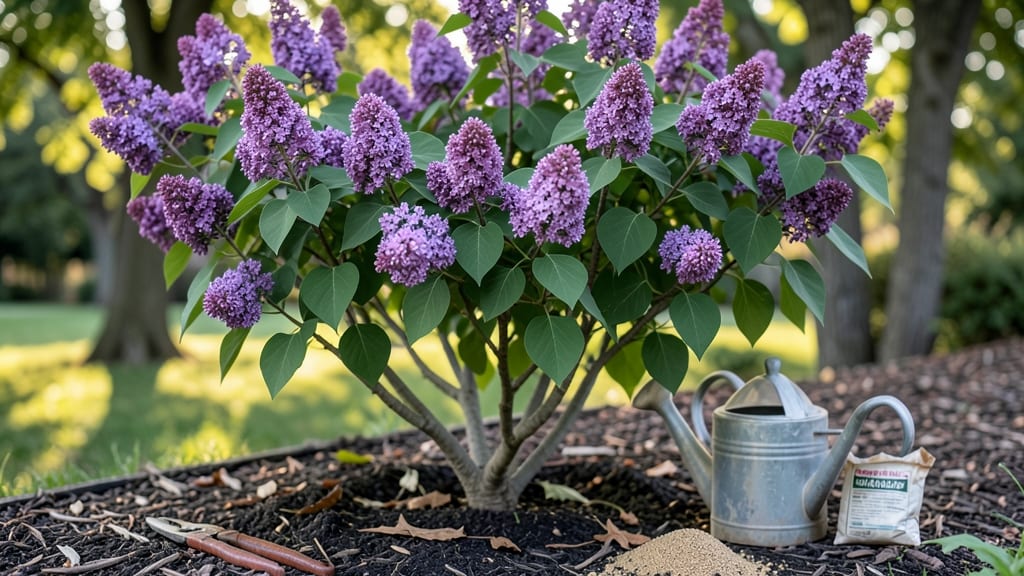
The lilac flower season arrives with a symphony of purple, pink, and white that transforms your yard into a fragrant spring sanctuary. 🌸 I’ve learned that timing is everything—blooms typically burst forth in late April or May, but your exact window depends on your hardiness zone and winter’s last frost.
The first whiff of those sweet, intoxicating blossoms is the real reward after months of dormancy.
Preparation makes all the difference. Prune lilacs right after flowering to avoid cutting off next year’s buds, and feed them with compost or slow-release fertilizer in early spring. Mulch around the base to retain moisture while protecting roots from temperature swings.
In my Zone 5 garden, I’ve seen lilacs reward this care with blooms that last 2-3 weeks—sometimes longer if the weather cooperates.
This is also the time to pair lilacs with companions like catmint or lavender, which thrive in the same sunny spots and deter pests. The fragrance alone makes them worth the effort, but the showstopper?
A well-cared-for lilac bush can bloom heavier each year—something I’ve watched unfold over a decade of gardening. The secret isn’t just timing, but consistency.
Whether you’re in the South’s mild winters or the North’s chilly springs, lilacs adapt beautifully with the right adjustments. Let’s dive into how to make this season your best yet—because nothing says “spring has arrived” like a lilac in full, fragrant bloom.
📚 In This Guide
- What you need
- Instructions
- Tips and common mistakes
- Wrapping up and next steps
What you need
- ● Lilac plants: 3–5 bare-root or potted lilacs (choose varieties like Syringa vulgaris or Syringa meyeri for early blooms).
- ● Well-draining soil: Mix of garden soil, compost, and perlite (1 part compost + 2 parts soil + 1 part perlite for optimal drainage).
- ● Organic fertilizer: 10-10-10 or balanced slow-release fertilizer (follow package instructions for dosage).
- ● Mulch: 2–3 inches of wood chips or shredded bark to retain moisture and suppress weeds.
- ● Pruning shears: Sharp, clean shears (sterilize with rubbing alcohol before use).
- ● Gloves: Heavy-duty gardening gloves to protect against thorns.
- ● Trowel or spade: For digging planting holes (12–18 inches deep).
- ● Watering can or hose: With a gentle spray nozzle for post-planting hydration.
- ● Measuring tape: To ensure proper spacing (6–10 feet between plants for mature lilacs).
- ○ Stakes (optional): For young plants in windy areas (3–4 stakes per plant).
- ○ Spray bottle (optional): For misting seedlings during dry spells.
- ● Best planting time: Early spring (March–April) or early fall (September–October) for root establishment.
- ● Sunlight: Full sun (6+ hours daily) for optimal blooming.
- ● Water access: Consistent moisture for the first 2 weeks post-planting.
- ● Patience: Lilacs take 2–3 years to reach full bloom potential!
- ● 🌡️ Test your soil: Aim for a pH of 6.0–7.0; amend with lime if needed.
- ● ✨ Choose colors wisely: Pair lilacs with complementary perennials like lavender or peonies for a stunning display.
- ● 🔪 Prune strategically: Trim after blooming to encourage next year’s flowers.
How to extend your lilac flower season for maximum blooms
Here's how to coax those fragrant purple clusters into lasting longer—naturally and effortlessly.
🌱 Step 1: Prune Lilacs After Their First Big Bloom
Wait until after the first flush of flowers has faded completely before touching your shears. This timing ensures you don't cut off next year's buds, which form on last year's growth. I like to prune in late June or early July—just when the first blooms start to drop petals.
Remove only the oldest stems (the thickest ones with no flowers) by cutting them back to ground level. These stems are done producing anyway. Never remove more than 1/3 of the plant's total stems—this keeps the plant healthy and encourages strong new growth for next season.
☀️ Step 2: Provide the Right Light and Airflow
Lilacs thrive in full sun (6-8 hours daily), but they also need good airflow to prevent fungal diseases like powdery mildew. If your lilacs are in a shady spot, move them to sunnier ground—even partial shade can reduce blooming. I've seen lilacs in morning sun with afternoon shade still perform well, but the flowers will be smaller.
Thin out any overcrowded branches by removing crossing or rubbing stems. These create wounds where pests and diseases can enter. Space stems 12-18 inches apart for optimal airflow. Mulch around the base with 2-3 inches of organic mulch to retain moisture and regulate soil temperature.
💧 Step 3: Water Deeply and Consistently
Water lilacs deeply once a week during dry spells, aiming for 1-1.5 inches of water per week. Shallow watering encourages weak roots that can't support heavy flower clusters. You'll know you've watered enough when the soil feels moist 6 inches deep—stick your finger down to check.
I avoid watering the foliage to prevent fungal issues. Instead, water at the base early in the morning so leaves dry quickly. Overwatering is just as bad as underwatering—lilacs hate soggy roots. If your soil drains poorly, consider amending it with compost to improve aeration.
✂️ Step 4: Deadhead and Fertilize for Next Season
After the first big bloom fades, deadhead by cutting back the spent flower clusters to the first set of leaves. This encourages a second, smaller flush of blooms later in the season. I like to do this in early to mid-summer—just as the first blooms start to look tired.
Apply a balanced fertilizer (10-10-10) in early spring before new growth begins. Lilacs don't need heavy feeding, but a light application promotes strong stems and abundant blooms. Avoid high-nitrogen fertilizers—they encourage leafy growth at the expense of flowers. Stop fertilizing by mid-summer to allow the plant to harden off for winter.
⏰ Step 5: Protect Lilacs in Winter for Next Year's Blooms
Mulch around the base of your lilacs with 4-6 inches of mulch in late fall to insulate roots from freezing temperatures. I use a mix of shredded bark and leaves. This helps prevent root damage, which can weaken next year's blooms. Avoid piling mulch against the stems—keep it 3 inches away to prevent rot.
If you live in a region with harsh winters (below 0°F), consider wrapping young lilacs in burlap or using a frost blanket. Older, established lilacs usually handle winter well, but a little extra protection ensures they'll burst into bloom again next spring. Prune lightly in late winter (February) to shape the plant before new growth begins.
Tips & tricks for extending your lilac flower season
These simple yet powerful strategies will help you maximize your lilacs' blooming potential while keeping them healthy year after year.
Timing is Everything: The late June or early July pruning window in Step 1 is crucial because that's when lilacs start forming next year's flower buds. I've seen gardeners prune too early and accidentally remove next season's blooms. Wait until you see the first blooms starting to fade and fall completely before pruning. This patience pays off with bigger, more abundant flowers the following spring.
Light and Airflow Secrets: While lilacs love full sun (6-8 hours daily), I've found they can actually handle morning sun with afternoon shade in hot climates. The key is ensuring good airflow—this prevents powdery mildew, which can turn leaves gray and reduce flowering. Thin out crowded branches by removing crossing stems, and space them 12-18 inches apart. This simple step can double your blooms by reducing disease pressure.
Watering Wisdom: The deep watering technique in Step 3 is non-negotiable for strong roots. I check soil moisture by sticking my finger 6 inches deep—if it's dry, that's when I water. The early morning timing is especially important because it gives leaves time to dry completely, preventing fungal infections. For established plants, I've found that 1-1.5 inches of water per week during dry spells keeps them thriving without overwatering.
Winter Protection Strategy: That 4-6 inches of mulch in late fall makes all the difference in harsh winters (below 0°F). I like to use a mix of shredded bark and leaves because it breaks down slowly while still providing insulation. The 3-inch clearance from stems prevents rot while still protecting roots. For young lilacs, I've had great success using frost blankets in extreme cold—it's worth the extra effort for next year's spectacular blooms.
Pro Tips for Lilac Flower Season
- These simple yet powerful strategies will help you maximize your lilacs' blooming potential while keeping them health...
- Timing is Everything: The late June or early July pruning window in Step 1 is crucial because that's when lilacs star...
- Light and Airflow Secrets: While lilacs love full sun (6-8 hours daily), I've found they can actually handle morning ...
Frequently asked questions
Got questions about lilac flower season? You’re not alone! Here are some of the most common inquiries—plus quick, practical answers to help you make the most of this fragrant time of year.
When is the best time to plant lilacs for peak blooms?
Plant lilacs in early spring (just as buds swell) or fall (6 weeks before frost). This gives roots time to establish before summer heat or winter cold. Avoid planting when lilacs are in full bloom—they’re already focusing energy on flowers, not root growth.
Why aren’t my lilacs blooming this season?
Lilacs need full sun (6+ hours/day) and well-draining soil. Over-fertilizing (especially with nitrogen) can delay blooms—focus on balanced fertilizer in early spring. Prune right after flowering to encourage next year’s buds. If they’re still struggling, check for pests like borers or fungal issues.
Can I extend lilac season with care?
Yes! Deadhead spent blooms to redirect energy to foliage and next year’s buds. Mulch around the base (2–3 inches) to retain moisture and regulate soil temp. Choose late-blooming varieties like ‘Miss Kim’ or ‘Dwarf Korean’ for a longer display. Just avoid heavy pruning—it cuts off next year’s flowers!
Are there lilac alternatives for smaller gardens?
Try mock orange (Philadelphus) for similar fragrance but smaller size, deutzia for delicate clusters, or weigela for bold, repeat blooms. Dwarf lilacs (like ‘Lilac Miss Canada’) also work well in tight spaces—just ensure they get enough sun.
Do lilacs attract bees and butterflies?
Yes! Lilacs are pollinator magnets. Their nectar-rich flowers draw bees, butterflies, and hummingbirds. For extra buzz, plant them near bee-friendly companions like lavender, catmint, or coneflowers. Just avoid pesticides during bloom time to keep wildlife safe.
Wrapping up and next steps
The lilac flower season brings a burst of color and fragrance that transforms any garden into a dreamy spring escape. Whether you’re planting your first bush or admiring the blooms from afar, this is your moment to embrace nature’s beauty—one fragrant petal at a time. 🌸
Ready to dive deeper? Plan your next garden project—whether it’s expanding your lilac collection, crafting bouquets, or simply enjoying a leisurely stroll through blooming landscapes. The season is short but sweet, so make the most of it!