
Light Requirements
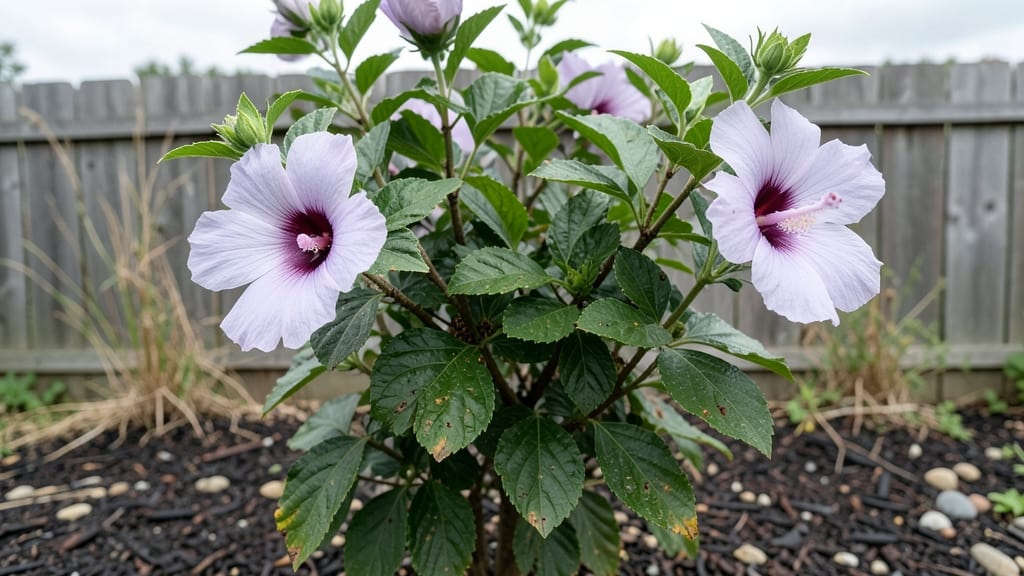
Light purple hibiscus flowers transform any garden into a dreamy, fragrant escape. 🌿 I fell in love with them after seeing how they softened my front yard’s bold hues—those velvety petals catch the light just right, especially when paired with silver foliage.
The best part? They bloom reliably from spring through fall, with proper care even into winter in warmer zones.
These hibiscus thrive in full sun but tolerate partial shade, making them versatile for borders, containers, or mixed beds. Pair them with dusty miller for contrast or lavender for a soothing purple palette.
Their large blooms also attract hummingbirds, adding movement to your design. For containers, choose a pot at least 18 inches wide to accommodate their root spread.
Their fragrance—sweet and subtle—elevates evenings spent on the patio, while their glossy leaves add texture year-round. Prune spent blooms regularly to encourage new growth, and feed monthly during the growing season. With the right placement, they’ll become the star of your garden, effortlessly tying together color schemes.
Works beautifully in tropical-inspired gardens, cottage-style beds, or modern landscapes. Here’s how to make them the centerpiece of your space without overpowering other plants—because balance is everything in design.
📚 In This Guide
- What you need
- Instructions
- Tips and common mistakes
- Wrapping up and next steps
What you need
- ● Light purple hibiscus plants: 1-2 mature plants (check local nurseries or online plant shops for Hibiscus rosa-sinensis varieties like 'Pink Fantasia' or 'Dwarf Pink').
- ● Well-draining potting mix: 5-10 gallons (look for a blend labeled for tropical plants or amend regular soil with perlite/vermiculite).
- ● Container or garden bed: Outdoor: 6+ inches deep, with partial shade (morning sun + afternoon shade).
- ● Indoor: 12-18" diameter pot with drainage holes (terracotta or ceramic works best).
- ● Fertilizer: Balanced liquid fertilizer (10-10-10) or slow-release granules (follow package rates for hibiscus).
- ● Pruning shears: Sharp, sterilized pair (for trimming dead blooms or shaping).
- ● Gloves: Gardening gloves (to protect from thorns and soil).
- ● Mulch: Organic mulch (e.g., pine bark) to retain moisture (2-3 inches around the base).
- ● Support stake: 3-4 ft bamboo stake (for taller varieties to prevent flopping).
- ● Humidity tray: Shallow tray + pebbles (for indoor plants in dry climates).
- ○ pH test kit: Optional but helpful (hibiscus thrives in 6.0-6.5 pH).
How to grow light purple hibiscus for year-round blooms
Here's the straightforward approach I use to coax those delicate light purple blooms all season long.
🌱 Step 1: Choose the Right Variety and Planting Location
Select a light purple hibiscus variety like 'Dwarf Red' or 'Lopaka Pink' that thrives in your climate zone. These tropical beauties need full sun—at least 6-8 hours daily—but can tolerate partial shade in hotter regions to prevent leaf scorch. I always plant mine in well-draining soil with a slightly acidic pH (around 6.0-6.5).
If growing in containers, ensure the pot is at least 12 inches deep and wide enough to accommodate the plant's mature size. The 4 plants you're starting will need space—3-4 feet apart if planting in the ground. This prevents overcrowding, which leads to fewer blooms and more foliage.
☀️ Step 2: Prepare Soil and Plant at the Right Time
Amend your garden soil with 2-3 inches of compost to enrich it before planting. Hibiscus love nutrients, and this step ensures they have the energy to produce those stunning light purple blooms. If your soil is heavy clay, mix in 1 part perlite to improve drainage—hibiscus roots hate sitting in soggy soil.
Plant in early spring after the last frost date in your area. In warmer climates, you can plant in late winter once temperatures consistently stay above 50°F. Dig a hole twice as wide as the root ball but only as deep—planting too deep can suffocate the roots. Water deeply right after planting to settle the soil and remove any air pockets.
💧 Step 3: Water Consistently and Fertilize for Blooms
Hibiscus need consistent moisture—water deeply 2-3 times per week during the growing season, ensuring the top 2 inches of soil feel dry before watering again. Overwatering causes root rot, while underwatering leads to droopy leaves and missed blooms. I always water at the base of the plant in the morning to reduce evaporation and fungal risks.
Feed your hibiscus with a balanced, water-soluble fertilizer (10-10-10) every 4-6 weeks during the growing season. For extra blooms, switch to a low-nitrogen, high-phosphorus fertilizer (like 5-10-10) in late spring and summer. Stop fertilizing in fall to let the plant rest.
✂️ Step 4: Prune and Deadhead for Continuous Blooms
Prune your hibiscus in early spring to shape the plant and encourage new growth. Cut back 1/3 of the plant’s height to promote bushier growth. Remove any dead, damaged, or crossing branches to improve airflow and reduce disease risk. This is also the time to trim any woody stems that won’t produce flowers.
Deadhead spent blooms regularly by cutting the stem back to the nearest leaf or bud. This encourages the plant to produce more light purple flowers instead of focusing on seed development. I like to do this every 2-3 days during peak bloom season—it keeps the plant looking tidy and flowering nonstop.
🪴 Step 5: Protect and Overwinter for Year-Round Growth
In colder climates, hibiscus need protection when temperatures drop below 30°F. Move potted plants to a sheltered location or bring them indoors near a south-facing window where they can still get bright light. If planting in the ground, mulch heavily around the base with 3-4 inches of straw or leaves to insulate the roots.
Reduce watering in fall as growth slows, but keep the soil slightly moist. In late winter, prune back any dead growth and resume fertilizing in early spring to kickstart new blooms. With this care, your light purple hibiscus will reward you with fragrant, elegant flowers all year long.
Tips & tricks for perfect light purple hibiscus blooms
Here's what nobody tells you about keeping those delicate light purple blooms coming back year after year.
Sunlight Secret: While 6-8 hours of full sun is ideal, I've found that light purple hibiscus actually handle partial shade better than their red or pink cousins. In hotter climates, they'll appreciate that afternoon shade to prevent leaf scorch while still producing abundant blooms. Watch for the leaves turning yellow—this is your first sign they're getting too much sun.
Soil Science: That 6.0-6.5 pH range is critical, but don't stress about testing kits. I use coffee grounds (they're acidic) mixed into the soil when planting—just work in about 1 cup per plant. The compost you're already adding will help maintain that acidity naturally. For clay soil, I mix in perlite at a 1:1 ratio with the top 6 inches of soil before planting.
Watering Wisdom: The 2-3 times per week rule works, but timing matters even more. I water my hibiscus at the same time every morning—right after sunrise. This gives the roots all day to absorb moisture before the heat of afternoon sets in. I also check the soil by sticking my finger in—if it feels dry just 1 inch down, it's time to water again.
Fertilizer Timing: That switch to 5-10-10 in late spring is key for blooms, but I've learned to time it perfectly. Apply the first dose right when you see new growth in spring, then every 4 weeks until early fall. The secret? Always water thoroughly before and after applying fertilizer—this prevents root burn and helps the nutrients soak down where the roots can access them.
Pro Tips for Light Purple Hibiscus Flower
- Here's what nobody tells you about keeping those delicate light purple blooms coming back year after year.
- Sunlight Secret: While 6-8 hours of full sun is ideal, I've found that light purple hibiscus actually handle partial shade better than their red or pink cousins.
- Soil Science: That 6.0-6.5 pH range is critical, but don't stress about testing kits.
Frequently asked questions
Got questions about growing and enjoying light purple hibiscus flowers?
Here are some of the most common ones—plus quick, practical answers to keep your garden blooming beautifully!
How much sunlight do light purple hibiscus flowers need daily?
Light purple hibiscus thrives in full sun (6–8 hours daily). However, in scorching climates, provide partial shade (3–4 hours of direct sun) to prevent leaf scorch. Morning sun + afternoon shade works best for vibrant blooms!
How long does it take for a light purple hibiscus to bloom after planting?
With proper care, expect first blooms in 6–12 months for container-grown plants or 1–2 years for those planted from seed. Patience pays off—prune spent flowers to encourage more blooms!
Can I grow light purple hibiscus indoors? What’s the best setup?
Yes! Place near a south- or west-facing window for bright light. Use a grow light (12+ hours/day) if natural light is limited. Keep humidity high (mist leaves or use a pebble tray) and fertilize monthly for best results.
Why aren’t my light purple hibiscus flowers opening? Troubleshooting tips?
Check these common issues:
- Not enough light → Move to a sunnier spot or add grow lights.
- Overwatering → Let soil dry between waterings; hibiscus hates soggy roots.
- Lack of fertilizer → Use a balanced bloom booster every 4–6 weeks.
- Cold drafts → Hibiscus struggles below 50°F (10°C); protect from frost.
What’s a good alternative if light purple hibiscus is hard to find?
Try these fragrant, light-purple bloomers:
- Plumbago (Skyflower) – Drought-tolerant, thrives in heat.
- Lantana – Colorful clusters, attracts pollinators.
- Petunia – Easy annual with vibrant hues.
- Clematis – Vine with delicate, light lavender blooms.
Wrapping up and next steps
The light purple hibiscus is a stunning addition to any garden, bringing year-round color and a delicate fragrance that brightens up any space. With the right care—especially attention to light exposure—you can enjoy its beauty for seasons to come.
Whether you're a seasoned gardener or just starting, this elegant flower is well worth the effort!
Ready to transform your garden? Start by choosing the perfect spot—one with bright, indirect light—and watch your light purple hibiscus thrive! 🌸