
Landscaping
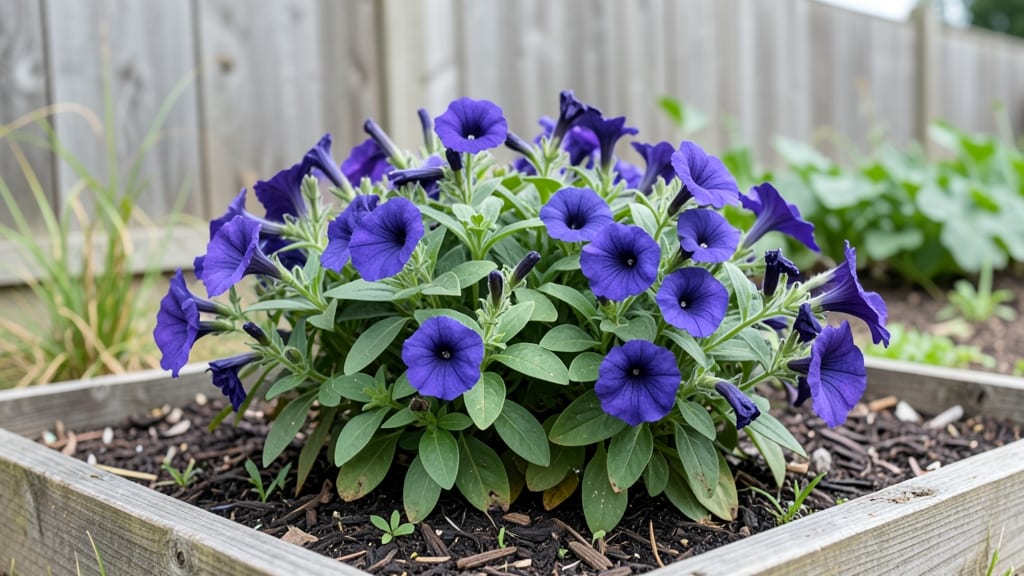
My front yard petunia flower bed transformed from boring to breathtaking in one weekend, and I’m sharing the exact layout that makes it work. 🌸 The secret isn’t just the petunias—it’s how they spill over edges, creating a waterfall of color that catches every passerby’s eye.
I started with bold purples and pinks in the front row, then layered trailing varieties to soften the edges, and the effect is pure vertical drama.
You’ll need three types of petunias: upright varieties for height, trailing types for cascading, and a few compact fillers to keep the bed dense. Add in moss phlox or sweet alyssum for texture contrast, and you’ve got a bed that looks polished without needing constant upkeep.
The key is spacing—plant petunias 10-12 inches apart so they fill in quickly, and don’t skimp on mulch to keep weeds at bay.
By midsummer, your bed will be a nonstop bloom machine, with petunias reblooming all season if you deadhead spent flowers. The trailing varieties will spill over edges like a living curtain, and the mix of colors creates depth that flat flower beds just can’t match.
Even in heat waves, petunias stay vibrant—just water deeply once a week and watch them thrive.
This design works for any front yard, whether you’ve got full sun or partial shade. Swap out colors for your favorite hues, and add in calibrachoas for extra cascading drama.
The best part? It’s foolproof once you get the layout right—no green thumb required, just bold choices and a little patience.
📚 In This Guide
- What you need
- Instructions
- Tips and common mistakes
- Wrapping up and next steps
What you need
- ● Petunia plants: 12–20 plants (depending on bed size). Choose a mix of Grandiflora (large blooms) and Milliflora (compact, trailing varieties) for texture.
- ● Potting soil: 2–3 cubic feet of high-quality, well-draining potting mix (look for "flower bed mix" or "container blend").
- ● Mulch: 1–2 bags of organic mulch (e.g., shredded bark or pine straw) to retain moisture and suppress weeds.
- ● Fertilizer: Slow-release granular fertilizer (10-10-10 or 20-20-20) or liquid bloom booster for petunias.
- ● Watering can or hose: With a gentle spray nozzle for even hydration.
- ● Gloves & knee pads: To protect your hands and knees during planting.
- ● Pruners or shears: For trimming dead blooms or shaping plants.
- ● Container or raised bed: If planting in pots, choose containers with drainage holes (12–18" diameter for petunias).
- ● Stakes or trellis: For trailing varieties to create vertical drama.
- ● Slow-release watering spikes: For low-maintenance hydration.
- ● Epsom salt: A handful mixed into soil for magnesium boost (great for vibrant blooms!).
- ● Decorative edging: Stones, bricks, or metal borders to define your bed.
Step-by-step instructions for creating a stunning petunia flower bed
Let’s turn your front yard into a vibrant showstopper with these easy steps for a lush, cascading petunia display.
🪴 Step 1: Choose and Prepare the Perfect Location
Petunias thrive in full sun—at least 6 hours of direct sunlight daily—so pick a spot that gets morning to afternoon sun. If your yard has afternoon shade, opt for lighter-colored petunias to prevent fading. Clear the area of weeds, rocks, or debris, then mark the bed’s edges with stakes and string to keep your design neat.
Dig up the soil to a depth of 6-8 inches, loosening it with a garden fork. Amend the soil with 2-3 inches of compost to improve drainage and fertility. Petunias hate soggy roots, so if your yard has heavy clay soil, mix in 1 part perlite or sand to every 3 parts soil. This ensures water drains freely but still holds enough moisture for thirsty petunias.
🌱 Step 2: Plant Petunias for Maximum Impact
Start by spacing plants 12-18 inches apart—closer for trailing varieties like 'Wave' or 'Supertunia' and farther apart for bushier types. Dig a hole twice as wide as the root ball but no deeper, then gently remove the plant from its container. Tease out any circling roots to encourage outward growth.
Place the petunia in the hole, then backfill with soil, pressing lightly to eliminate air pockets. Water deeply right after planting to settle the roots. I like to add a slow-release fertilizer at this stage to give the plants a nutrient boost as they establish. Avoid high-nitrogen fertilizers—they promote leafy growth over flowers, which is the last thing you want in a showstopping bed.
☀️ Step 3: Water and Mulch for Long-Lasting Blooms
Water petunias deeply 2-3 times per week, aiming for 1 inch of water total. Early morning is best to prevent fungal diseases from overnight moisture. You’ll know you’re watering enough when the top 1-2 inches of soil feel dry to the touch. Overwatering is a common mistake—petunias wilt easily if their roots sit in soggy soil.
Spread 2-3 inches of mulch around the base of the plants, keeping it 2 inches away from stems to prevent rot. I use shredded bark or pine straw because it breaks down slowly and keeps weeds at bay. Mulch also helps retain soil moisture, so you’ll water less frequently once established. Replenish mulch every few months as it decomposes.
✂️ Step 4: Maintain for Nonstop Color
Deadhead spent blooms weekly by pinching off faded flowers just above the next set of leaves. This encourages more blooms and keeps the bed looking fresh. I also trim leggy stems back by one-third in early summer to promote bushier growth. Use clean, sharp pruners to avoid damaging the plant.
Feed petunias every 4-6 weeks with a balanced, water-soluble fertilizer (like 10-10-10) diluted to half strength. Too much fertilizer can burn roots, so always follow package instructions. Watch for pests like aphids or spider mites—spray off any pests with water early in the day, or use neem oil as a natural deterrent if needed.
⏰ Step 5: Plan for Season-Long Beauty
Petunias bloom best in warm weather, so if your area gets hot summers, provide afternoon shade to prevent wilting. In cooler climates, petunias may need lightweight frost cloth in fall to extend their season. I’ve kept mine blooming until first frost by covering them at night when temperatures drop below 50°F.
Rotate your petunia varieties each year to prevent disease buildup in the soil. For example, if you planted 'Supertunia' this year, try 'Easy Wave' next season. This keeps your bed vibrant and healthy. With proper care, your petunia flower bed will be the talk of the neighborhood—bold, cascading, and full of drama!
Tips & tricks for perfect petunia flower beds
Here's what nobody tells you about creating a showstopping petunia display that lasts all season.
The Sunlight Secret: That 6 hours of daily sunlight is non-negotiable for vibrant blooms. I've seen petunias struggle in partial shade—even if the instructions say "full sun," consider adding a few extra hours of morning light. For afternoon shade areas, choose lighter-colored varieties like 'White Cascade' or 'Pink Wave' that handle fading better. And here's the thing: if your yard gets intense afternoon sun, provide temporary shade cloth during peak heat hours to prevent wilting.
Soil Prep Game-Changer: The 6-8 inch soil prep isn't just about depth—it's about creating the perfect drainage environment. I learned this the hard way after losing plants to soggy roots. When mixing perlite or sand into heavy clay soil, aim for a 1:3 ratio and test drainage by filling a container with your amended soil and watering it. If water drains in under 10 minutes, you've got it right. For container gardening, use a mix of 60% potting soil, 20% perlite, and 20% compost for optimal results.
Planting Spacing Hack: Those 12-18 inch spacing guidelines are perfect for standard petunias, but here's my secret: for maximum cascading drama, plant trailing varieties like 'Supertunia' every 10-12 inches. The plants will naturally spread and fill in gaps beautifully. And when teasing out circling roots, don't be shy—aggressively separate them to encourage outward growth. This single step makes the difference between a flat bed and one with that lush, overflowing look.
Watering Wisdom: The 2-3 times per week guideline works for most climates, but don't rely solely on frequency—check that top 1-2 inches of soil first. I've seen petunias wilt dramatically from both underwatering and overwatering. For container gardens, water when the soil feels dry to the touch about 1 inch down. And here's what nobody tells you: water at the base of plants rather than overhead to prevent fungal diseases that cause those dreaded brown spots on leaves.
Pro Tips for Front Yard Petunia Flower Bed
- Here's what nobody tells you about creating a showstopping petunia display that lasts all season.
- The Sunlight Secret: That 6 hours of daily sunlight is non-negotiable for vibrant blooms.
- Soil Prep Game-Changer: The 6-8 inch soil prep isn't just about depth—it's about creating the perfect drainage environment.
Frequently asked questions
Got questions about creating a stunning front yard petunia flower bed? Here are some common ones—and their answers—to help you plant with confidence!
When is the best time to plant petunias in my flower bed?
Petunias thrive when planted after the last frost in spring (typically April–May in most U.S. zones) or in early fall (September–October) for a late-season bloom. Avoid planting in extreme heat—wait until soil temps are 60°F+ to prevent stress. Pro tip: Start seeds indoors 8–10 weeks before the last frost for an earlier show!
How often should I water my petunia flower bed?
Water deeply 2–3 times per week (or daily in extreme heat) to keep soil moist but not soggy. Petunias love hydration but hate soggy roots—aim for 1–1.5 inches of water weekly. Morning watering is best to reduce evaporation and fungal risks. Mulch around plants to retain moisture and suppress weeds!
Why are my petunias wilting or dying despite regular care?
Wilting can signal overwatering, underwatering, pests, or disease. Check soil moisture first—petunias prefer consistently moist (not waterlogged) soil. Inspect leaves for aphids, spider mites, or powdery mildew (white fungal spots). If stems feel mushy, it may be root rot—trim affected areas and improve drainage. Quick fix: Prune leggy stems to encourage bushier growth!
Can I mix petunias with other flowers in my bed?
Petunias pair beautifully with salvias, calibrachoas, or trailing lobelias for a lush, layered look. Avoid planting with aggressive spreaders like mint or creeping charlie, which can crowd them out. For height contrast, tuck petunias behind taller plants (e.g., snapdragons or cosmos) and in front of boxwoods or ornamental grasses.
Do petunias survive winter in my climate?
Petunias are annuals in most U.S. zones (they die with frost) but can be tender perennials in Zones 9–11 with mild winters. In colder areas, treat them as seasonal stars—plant fresh in spring each year. Bonus tip: Save seeds from your healthiest blooms for next year’s garden (though hybrids may not reproduce true to type).
How can I keep my petunia bed looking full all season?
Deadhead spent blooms weekly to encourage nonstop flowers. Fertilize every 2–3 weeks with a balanced, water-soluble formula (10-10-10 or 20-20-20). For extra drama, interplant with successional bloomers like marigolds or zinnias to fill gaps as petunias fade. Pro move: Rotate varieties (e.g., mix trailing and bush types) for year-round texture!
Wrapping up and next steps
A front yard petunia flower bed isn’t just a splash of color—it’s a statement of creativity and curb appeal that transforms your outdoor space into a vibrant masterpiece. 🌸 With the right variety, soil prep, and care, you’ll enjoy cascading blooms that bring joy and life to your garden all season long.
Ready to take the next step? Start small with a single bed or plan a grand design—your garden deserves it! Grab your gardening gloves, pick your favorite petunia hues, and let your outdoor vision bloom.