
Flowers
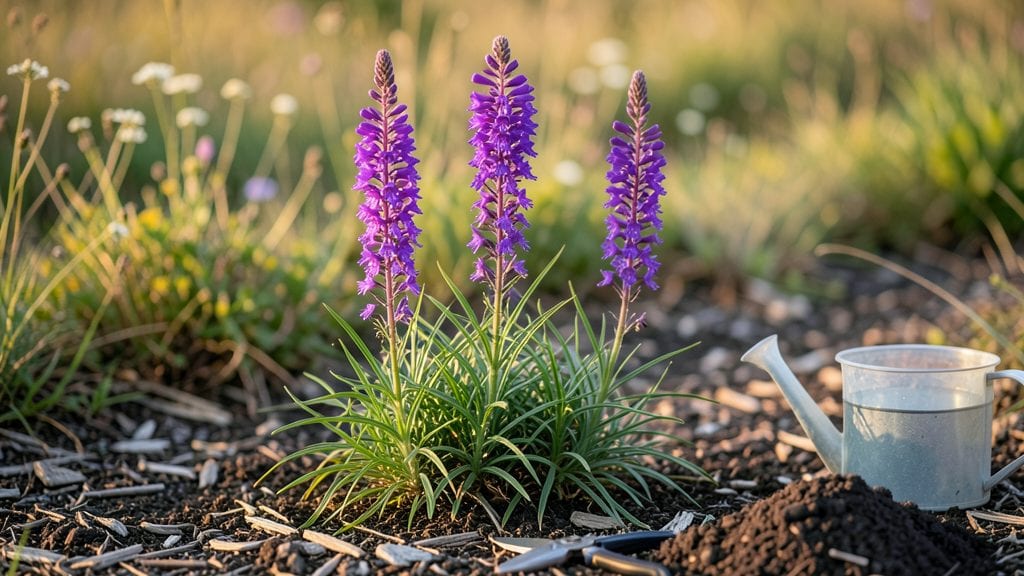
The liatris flowering time arrives in late summer—typically between July and September—when your garden craves that dramatic purple punch.
If you’ve ever waited eagerly for your liatris (or blazing star) to burst into stunning spikes—only to be met with disappointment—you’re not alone. The timing can feel like a guessing game, but with the right conditions, you can shift those blooms from "meh" to "wow" in your summer garden.
These drought-tolerant beauties thrive in USDA Zone 6a and beyond, but their flowering window shifts slightly depending on your region. Planting in spring (March–May) and giving them full sun sets the stage for peak blooms, while deadheading spent flowers can stretch the show for weeks.
Below, I’ll break down the exact months for your variety, how to coax earlier blooms, and the simple tricks to keep them flowering longer—so you never miss another season of those showstopping 🌼 spikes.
Liatris flowering time: exact months and stages by variety
Timing your liatris blooms means knowing your specific variety and USDA zone. Most liatris varieties bloom in late summer, but the exact timing shifts based on where you live.
For example, Liatris spicata (the most common type) typically flowers in August through September in zones 3–7, while Liatris pycnostachya (Kansas gayfeather) blooms slightly earlier, around July to August. Understanding these differences helps you plan your garden for continuous color.
Regional variations matter too. In warmer zones (8–9), liatris may start blooming as early as June, while in cooler zones (3–5), blooms might not appear until late August or September.
Even within the same zone, microclimates—like a sunny hillside versus a shaded valley—can shift bloom times by 1–2 weeks. Pay attention to your local frost dates, as late frosts can delay flowering.
Before the buds open, you’ll notice tight purple spikes forming in early summer. These pre-bloom signs appear 6–8 weeks before peak flowering. If your liatris is healthy, you’ll see vibrant green foliage and sturdy stems.
However, if the spikes stay brown or stunted, it could signal underwatering or poor soil drainage. Addressing these issues early ensures stronger blooms later.
Peak flowering lasts 2–4 weeks, depending on the variety and growing conditions. Liatris elegans (blazing star) often has the longest bloom period, while Liatris spicata may fade faster in hot, dry climates.
To extend the show, deadhead spent blooms regularly—this encourages new flower production and prevents seed formation, which can shorten the season. Just avoid cutting back too aggressively, as liatris stores energy in its root system.
After the flowers fade, liatris enters its post-bloom phase. This is the time to cut back stems to 3–4 inches above the ground. Doing this in early fall (after the first frost) prevents seed formation and redirects energy to next year’s root growth.
Leave the foliage intact until late winter to protect the crown from freeze-thaw cycles. Mulch lightly with compost or straw to insulate the roots.
Here’s a quick reference for the exact flowering windows by variety and zone:
| Variety | USDA Zones | Bloom Time | Peak Duration | Notes |
|---|---|---|---|---|
| Liatris spicata | 3–7 | August–September | 2–3 weeks | Classic purple spikes; drought-tolerant |
| Liatris pycnostachya | 4–8 | July–August | 3–4 weeks | Early bloomer; loves full sun |
| Liatris elegans | 5–9 | July–September | 4 weeks | Longest bloom; heat-tolerant |
| Liatris squarrosa | 3–6 | August–October | 3 weeks | Late bloomer; great for fall color |
If you’re in zone 9 or higher, you might see early bloomers like Liatris pycnostachya start as early as June. These varieties thrive in hot climates and can even rebloom lightly if given consistent care.
In cooler zones (3–5), focus on late-season varieties like Liatris squarrosa, which extend your garden’s color into early fall. Pairing early and late bloomers creates a seamless summer-to-fall transition.
To maximize blooms, ensure your liatris gets full sun (6+ hours daily) and well-draining soil. Overwatering is a common mistake—liatris is drought-tolerant once established. Water deeply once a week during dry spells, but let the soil dry between waterings.
Amend heavy clay soil with compost or sand to prevent root rot, which can delay or reduce flowering. A light spring fertilizer (5-10-10) also encourages stronger stems and more abundant blooms.
One pro tip: Plant liatris in groups of 3–5 for a dramatic effect. The tall, spiky blooms create a vertical focal point in late-summer gardens. Combine them with shorter perennials like salvia or coreopsis to balance the height.
Avoid planting near aggressive spreaders like mint or creeping thyme, as liatris prefers open space to thrive. With the right variety and care, your liatris will reward you with stunning, low-maintenance blooms year after year.
Finally, keep an eye on pests and diseases, which can stress your plants and delay flowering. Aphids and Japanese beetles may target the blooms, while powdery mildew can appear in humid conditions. Spray with neem oil or introduce beneficial insects like ladybugs to keep pests in check.
Healthy liatris plants are resilient, but proactive care ensures your summer blooms arrive on time and in full force.
How to trigger earlier or longer liatris blooms: proven gardening hacks
Want your liatris to bloom earlier or stretch its show into late summer? The secret lies in timing and care. These purple spikes thrive on precision—whether it’s planting dates, soil conditions, or watering habits.
Small adjustments can turn a 2-week display into a 6-week spectacle. Let’s dive into the exact steps that make the difference.
First, understand that liatris is a seasonal performer. Most varieties bloom from mid-summer to early fall, but with the right tricks, you can shift this window. The key is preparing the plant before it even thinks about flowering.
Think of it like setting the stage for a summer concert—the more you prepare, the longer the encore.
- 1. Plant in early spring (March–April) for earlier blooms. Fall planting (September) delays flowering but can extend it into late fall in mild climates.
- 2. Amend soil with sandy loam and compost to ensure drainage—waterlogged roots stall blooms. Aim for a pH of 6.0–7.0.
- 3. Place in full sun (6+ hours). Even partial shade weakens stems and reduces flower production by up to 40%.
- 4. Water deeply once weekly (1 inch total). Overwatering causes root rot, while drought stress triggers early blooming but shorter displays.
- 5. Deadhead spent blooms weekly to redirect energy to new flower spikes. This extends the season by 2–3 weeks.
Now, let’s talk about common mistakes that sabotage blooms. Over-fertilizing with high-nitrogen feeds sends liatris into leafy overgrowth instead of flowers. Stick to a balanced 5-10-10 fertilizer in early spring only. Another pitfall? Cutting back too late—never trim after mid-summer, or you’ll remove next year’s flower buds.
For longer blooms, try succession planting. Space out 3 batches of liatris—plant the first in early spring, the second in late spring, and the third in early summer.
This creates a staggered display from July to October. Pair them with coneflowers or black-eyed Susans for a nonstop color show.
Pro tip: Mulch heavily in early spring with straw or pine needles to retain moisture and regulate soil temperature. This keeps roots cool during heatwaves, preventing stress that shortens bloom time.
In USDA zones 3–5, add a lightweight row cover in late summer to protect blooms from early frosts.
With these proven hacks, your liatris will reward you with vibrant spikes that last weeks longer than average. The secret? Precision in care—not luck. Now grab your shears and get ready for a summer garden that steals the show! 🌼