
Plants
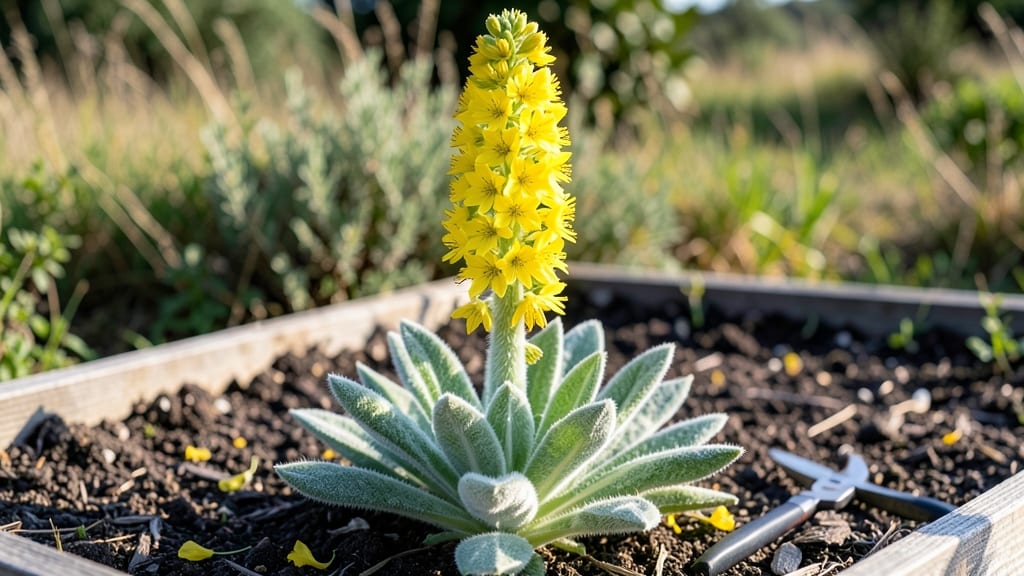
Growing dense flowered mullein transforms your garden into a buzzing pollinator paradise with towering spikes of velvety blooms. 🌿 I’ve grown this hardy perennial for three seasons, and it’s become my go-to for attracting bees, butterflies, and hummingbirds—even in hot, dry summers.
The secret lies in its deep roots and drought tolerance, but there’s more to it than just sticking it in the ground.
This plant thrives in poor, well-drained soil and full sun, making it perfect for sunny edges or neglected patches. Start seeds indoors in early spring or sow directly after the last frost—they germinate easily and grow fast.
Spacing them 18-24 inches apart gives those iconic candelabra-like flowers room to shine without flopping over.
By midsummer, you’ll have 3-5 foot tall stalks packed with creamy-white blooms that last for weeks, even after the first flowers fade. The foliage is edible and medicinal, but the real magic is how it keeps pollinators visiting long after other plants have faded.
Just be ready for its aggressive self-seeding habit—it’s easy to thin or transplant extras.
Whether you’re planting for beauty, biodiversity, or even tea-making, dense flowered mullein delivers year after year with almost no fuss. Here’s how to get the most from your plants without the common pitfalls.
📚 In This Guide
- What you need
- Instructions
- Tips and common mistakes
- Wrapping up and next steps
What you need
- ● Seeds: 10–20 dense-flowered mullein seeds (organic, untreated preferred). Pro tip: 💡 Buy from a reputable supplier for the best germination rates!
- ○ Growing Containers (Optional): 4–6 small pots (4–6 inches deep) for starting seeds indoors, or
- ● A seed tray with drainage holes for direct sowing.
- ● Potting Mix: 1–2 bags of high-quality, well-draining seed-starting mix (sterilized for disease prevention).
- ● Outdoor Growing Space: Full sun (6+ hours/day) in a well-draining soil bed, or
- ● A raised bed or container (minimum 12 inches deep) if soil is heavy.
- ● Watering Can or Hose: With a gentle spray nozzle for seedling care.
- ○ Fertilizer (Optional but Helpful): A balanced, low-nitrogen fertilizer (e.g., 5-5-5) for transplanting.
- ● Pro tip: 🌡️ Skip fertilizer if your soil is rich—mullein thrives in lean conditions!
- ● Gloves (Recommended): Mullein leaves can be prickly—opt for gardening gloves for comfort.
- ● Trowel or Small Shovel: For transplanting seedlings or sowing seeds directly.
- ○ Mulch (Optional): Straw or wood chips to retain moisture and suppress weeds.
- ● Patience (Most Important!): Mullein grows slowly but rewards you with years of pollinator support.
Step-by-step instructions for growing dense flowered mullein
Here’s how to cultivate this hardy pollinator favorite from seed to full bloom.
🌱 Step 1: Prepare the Planting Site
Mullein thrives in poor, well-drained soil, so don’t fuss over fertility. Choose a spot with full sun—at least 6-8 hours daily—where the soil isn’t compacted. If your garden soil is heavy clay, mix in 2-3 inches of coarse sand or grit to improve drainage. I like to plant mine in slightly disturbed ground, like along fence lines or near pathways, where it won’t compete with other plants.
Loosen the top 6 inches of soil with a fork or trowel, breaking up any clumps. Mullein’s deep taproot needs loose soil to establish quickly. If your area has winter freeze-thaw cycles, avoid planting in low spots where water pools—mullein hates soggy roots. A slight slope helps excess water run off.
🌱 Step 2: Sow Seeds at the Right Time and Depth
Direct-sow mullein seeds in late spring or early summer after the last frost when soil temperatures reach 60°F. Scatter seeds ¼ inch deep—they’re tiny, so I sprinkle them directly from the packet and lightly rake the soil to cover. Don’t worry about spacing; seedlings are easy to thin later. Water gently but thoroughly to settle the soil around the seeds.
Germination can take 2-4 weeks, so be patient. Keep the soil consistently moist but not soggy—mullein seeds rot if overwatered. Once seedlings appear, they’ll grow quickly, so don’t let the soil dry out completely. You’ll know they’re thriving when the first true leaves appear, which look like fuzzy, oval-shaped basal leaves.
☀️ Step 3: Provide Minimal Care for Robust Growth
Mullein is drought-tolerant once established, but young plants need regular watering. Water deeply 1-2 times per week until they reach 6 inches tall, focusing on the base to encourage deep root growth. After that, water only when the soil feels dry 2-3 inches down. Overwatering is the biggest mistake—mullein’s roots rot easily in wet conditions.
Fertilizer isn’t necessary, but if your soil is extremely poor, a light application of low-nitrogen compost in early spring can help. Avoid high-phosphorus fertilizers, which encourage leafy growth at the expense of flowers. Mullein’s natural resilience means it rarely needs intervention—just let it grow where it will.
✂️ Step 4: Enjoy Year-Round Beauty and Support Pollinators
Mullein’s tall, velvety stems and spiky flower spikes bloom from mid-summer to fall, attracting bees, butterflies, and moths. Leave the spent flower stalks in place over winter—they provide shelter for beneficial insects and add texture to the garden. In early spring, you can cut back dead growth to make room for new shoots, but this isn’t required.
If you want to propagate mullein, simply dig up and divide mature plants in early spring before new growth begins. Each division will establish quickly, making it easy to spread this hardy perennial. With minimal effort, you’ll have a pollinator haven that thrives with almost no maintenance.
Tips & tricks for perfect dense flowered mullein growth
Growing dense flowered mullein is all about working with its natural resilience—here are the key tricks to help you get the most out of this pollinator powerhouse.
Soil Prep Secret: The 6-8 hours of daily sunlight requirement is non-negotiable, but what most people overlook is the soil depth preparation. When loosening that top 6 inches, focus on breaking up any compacted layers down to 8-10 inches. Mullein's taproot needs this depth to establish quickly, especially in clay soils. I've found that adding a handful of coarse sand to the bottom of planting holes creates tiny air pockets that prevent waterlogging. This is particularly important in areas with freeze-thaw cycles where water naturally pools.
Germination Timing: Those 2-4 weeks of germination patience pay off when you nail the soil temperature at 60°F. I've learned the hard way that waiting until soil actually reaches this temperature (use a soil thermometer if unsure) makes all the difference. The seeds need this warmth to break dormancy, and cooler soils will delay or prevent germination altogether. Pro tip: If your spring is unpredictable, consider using a seedling heat mat for the first 10 days to maintain consistent warmth.
Watering Wisdom: The 1-2 times per week watering guideline only applies until plants reach 6 inches tall. After that, you can reduce to every 10-14 days in most climates. What I've discovered is that mullein actually prefers infrequent, deep waterings over frequent shallow ones. This encourages the deep root growth that makes it so drought-tolerant. A simple test: Stick your finger 2-3 inches down—if it feels dry, that's your watering cue. The key is to never let the soil stay soggy, which is mullein's biggest enemy.
Propagating Hack: When dividing mature plants in early spring, look for clumps with at least 3-4 stems per division. I've found that larger divisions establish faster and produce more flowers in their first season. The best time is right before new shoots emerge—you can tell by looking for swollen buds at the plant's base. After dividing, water deeply once and then let nature take its course. Mullein handles transplant shock better than most perennials, so don't fuss over it too much!
Pro Tips for Dense Flowered Mullein
- Growing dense flowered mullein is all about working with its natural resilience—here are the key tricks to help you get the most out of this pollinator powerhouse.
- Soil Prep Secret: The 6-8 hours of daily sunlight requirement is non-negotiable, but what most people overlook is the soil depth preparation.
- Germination Timing: Those 2-4 weeks of germination patience pay off when you nail the soil temperature at 60°F.
Frequently asked questions
When is the best time to plant dense flowered mullein?
Dense flowered mullein thrives when planted in early spring or late summer. This timing lets roots establish before extreme heat or frost. For self-seeding, wait until mid-summer—its fluffy seed heads disperse effortlessly. Avoid planting in winter unless your climate is mild.
How long does it take for mullein to flower?
With patience, you’ll see sturdy spikes of yellow blooms in the first year (though they may be smaller). By year two, expect dense, showy clusters that pollinators adore! Well-drained soil and full sun speed up flowering—just don’t rush it; mullein rewards persistence.
Why aren’t bees visiting my mullein flowers?
If bees seem absent, check these fixes:
- Timing: Mullein blooms late spring to fall—visit in peak hours (10 AM–4 PM) when bees are active.
- Location: Ensure it’s in full sun (6+ hours/day) and well-drained soil.
- Pests: Neonicotinoids or over-fertilizing can deter pollinators. Skip synthetic chemicals!
- Alternatives: Plant nearby bee-friendly companions like lavender or borage.
If issues persist, mullein may still self-seed—its legacy lives on!
Can I grow dense flowered mullein in containers?
Yes! Use a deep pot (12"+) with fast-draining mix (add perlite or sand). Choose a terracotta or fabric container to prevent root rot. Place in full sun and water only when soil is dry. Just know: mullein’s tall stature (3–5 ft) needs sturdy support in windy spots.
What should I do if my mullein looks leggy or floppy?
Leggy growth usually signals too much shade or overcrowding. Try these fixes:
- Relocate to full sun (6+ hours/day).
- Thin seedlings to 12–18" apart for airflow.
- Stake tall stems early to prevent flopping.
- Avoid rich fertilizer—mullein prefers lean, rocky soil.
With adjustments, your mullein will rebound with bold, upright blooms!
Pro Tip:
Harvest seed pods in late summer to extend your garden’s pollinator party. Dry them indoors, then scatter seeds for next year’s effortless mullein patch. Zero digging required!
Wrapping up and next steps
Growing dense flowered mullein is a rewarding way to boost your garden’s biodiversity while adding a striking, hardy perennial to your landscape. 🌿 With its year-round resilience, pollinator-friendly blooms, and minimal care needs, this plant is perfect for both beginners and seasoned gardeners.
Ready to transform your space? Start by planting a few this season—your local bees, butterflies, and even hummingbirds will thank you!
Next steps:
- 🌱 Order seeds or seedlings from a trusted supplier.
- 📅 Mark your calendar for the best planting time in your zone.
- 👩🌾 Share your progress with fellow gardeners for tips and inspiration!