
Flowers
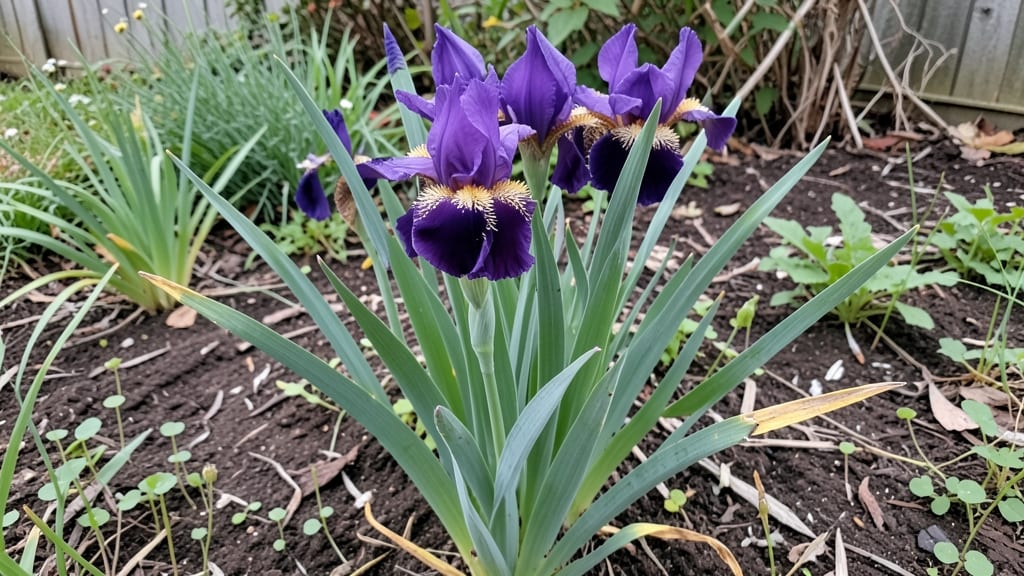
The iris-like flower brings bold, vertical drama to gardens without needing constant watering. I fell for these plants when I realized how effortlessly they stood out in my drought-prone yard—those sword-shaped leaves and striking petals make them showstoppers with minimal fuss.
The best part? Many bloom in shades of purple, blue, and yellow that echo irises but thrive in hotter climates where traditional irises would wilt.
These flowers work in borders, mixed beds, or even as standalone specimens near pathways. Pair them with ornamental grasses for texture contrast or add lavender for a fragrant, drought-resistant combo. Some varieties even rebloom in fall, giving you that iris-like impact twice a year.
The key is matching their sun needs—most prefer full sun but tolerate partial shade in hotter zones.
You’ll end up with gardens that feel lush and intentional, even during dry spells. The petals often carry subtle fragrances too, adding another layer of charm. Start with varieties like Louisiana irises or siberian flag irises for maximum impact—both handle heat and humidity better than classic bearded irises.
These plants prove you don’t need traditional irises to get that signature look.
Perfect for low-maintenance gardeners or anyone tired of wilting blooms in summer. The right placement makes them thrive with almost no effort—just divide clumps every few years to keep them vigorous. Here’s how to work them into your design like a pro.
📚 In This Guide
- What you need
- Instructions
- Tips and common mistakes
- Wrapping up and next steps
What you need
- ● Iris rhizomes or bulbs: Choose healthy, firm rhizomes (for bearded iris) or bulbs (for other iris-like flowers). Aim for 3–5 per plant, depending on desired fullness.
- ● Well-draining soil: A mix of garden soil, compost, and coarse sand or perlite (ratio: 2:1:1). Iris roots hate soggy conditions!
- ● Organic fertilizer: A balanced 10-10-10 or 5-10-10 NPK blend (1–2 tbsp per plant at planting time). Look for phosphorus to encourage root growth.
- ● Mulch: 2–3 inches of pine bark or gravel (avoid wood chips—they retain too much moisture).
- ● Garden trowel or spade (for digging)
- ● Pruning shears (for trimming dead foliage or dividing clumps)
- ● Gloves (to protect hands from sharp rhizome edges)
- ● Watering can or hose with a gentle spray nozzle (iris dislike overhead watering)
- ○ pH testing kit (optional): Aim for soil pH 6.0–7.0 (slightly acidic to neutral).
- ● Sunlight: Full sun (6+ hours daily). Partial shade may reduce blooms.
- ● Drainage: Plant in areas with sloped beds or raised mounds if your soil is clay-heavy.
- ● Spacing: 12–24 inches apart (check plant tags for variety-specific needs).
- ● Patience: Some iris-like flowers (like Dietes) take 2–3 years to reach peak blooming.
Step-by-Step guide to cultivating iris-like flowers for year-round beauty
Here's how to establish a vibrant, low-maintenance garden featuring fragrant, iris-like blooms that thrive with minimal water.
Select and Prepare the Planting Site
Choose a location with well-draining soil and at least 6 hours of sunlight daily, though many iris-like varieties tolerate partial shade. I prefer a slightly elevated area to prevent water pooling, which can rot delicate rhizomes. Test your soil's drainage by digging a 6-inch hole—if water doesn’t drain within 30 minutes, amend with 2-3 inches of coarse sand or perlite mixed into the top 12 inches of soil.
Loosen the soil to a depth of 12 inches using a garden fork, breaking up compacted layers. Iris-like flowers prefer a slightly alkaline soil pH between 6.5 and 7.5. If your soil is acidic, incorporate 1 pound of garden lime per 10 square feet into the top 6 inches of soil. Work it in thoroughly to ensure even distribution.
Plant Rhizomes at the Correct Depth and Spacing
Plant rhizomes in early spring or late summer when temperatures are mild. Position them so the top third is exposed—this prevents rot while allowing sunlight to warm the rhizome. Space rhizomes 12-24 inches apart, depending on the variety. Larger, clumping types like Siberian iris need 24 inches, while smaller varieties like dwarf iris thrive at 12 inches apart.
Dig a hole just wide enough to accommodate the rhizome without crowding. Gently place the rhizome in the hole, ensuring the growth points (buds) face upward. Cover lightly with soil, leaving the top third exposed. Press the soil lightly around the rhizome to secure it without compacting. Water deeply right after planting to settle the soil and encourage root establishment.
Mulch and Water for Establishment
Apply a 2-inch layer of organic mulch, such as shredded bark or straw, around the base of the plants. This helps retain moisture, suppress weeds, and regulate soil temperature. Avoid piling mulch directly against the rhizomes, as this can cause rot. Water the area 1 inch per week during the first growing season, ensuring the soil remains evenly moist but not soggy.
Iris-like flowers are drought-tolerant once established, but consistent watering in the first year is critical. You’ll know the plants are thriving when new fan-shaped leaves emerge in 4-6 weeks. Reduce watering gradually after the first year, allowing the soil to dry slightly between waterings. Overwatering is the most common mistake—it leads to yellowing leaves and poor blooming.
Fertilize and Prune for Long-Training Blooms
Apply a balanced, slow-release fertilizer (10-10-10) in early spring as new growth begins. Use 1 tablespoon per plant, working it into the soil around the rhizome. Avoid high-nitrogen fertilizers, which promote leafy growth at the expense of flowers. In late summer, after blooming, apply a low-nitrogen, high-phosphorus fertilizer (5-10-10) to encourage strong root development for next year’s blooms.
Deadhead spent blooms by cutting the flower stalk 1 inch above the base to redirect energy to root and foliage growth. Leave the leaves until they turn yellow naturally in late fall or early winter. This ensures the plant stores nutrients for the following season. Divide clumps every 3-4 years in early spring by carefully lifting the rhizomes and separating them with a sharp knife. Replant the divisions immediately in fresh soil.
Overwinter and Protect for Year-Round Color
In USDA Zones 5 and colder, apply a 4-inch layer of mulch around the base of the plants in late fall to insulate the rhizomes. Choose a mulch like straw or shredded leaves, which breaks down slowly and provides consistent protection. In Zones 6-9, a 2-inch mulch layer is sufficient. Remove the mulch in early spring once new growth appears.
Iris-like flowers are remarkably resilient, but a hard freeze can damage tender new shoots. If your region experiences below 20°F temperatures, cover the plants with burlap or frost cloth until the threat passes. With proper care, your garden will reward you with fragrant, iris-like blooms from early spring through summer, followed by striking foliage in fall and winter.
Tips & tricks for perfect iris-like flower cultivation
A few key insights will help you avoid common pitfalls and maximize your iris-like flowers' potential for vibrant, fragrant blooms all year.
Soil Preparation Insight: The 30-minute drainage test in Step 1 is critical—if water pools, amend with 2-3 inches of coarse sand or perlite to prevent rhizome rot. I've found that adding perlite not only improves drainage but also creates tiny air pockets that encourage beneficial microbial activity. For heavy clay soils, consider mixing in 25% compost by volume to improve structure while maintaining the slightly alkaline pH range of 6.5-7.5.
Rhizome Placement Technique: When positioning rhizomes in Step 2, the exposed top third should resemble a "smile" - slightly curved upward. This orientation allows sunlight to warm the rhizome while preventing moisture buildup that leads to rot. For larger varieties needing 24-inch spacing, I recommend creating a shallow trench rather than individual holes to maintain consistent soil moisture levels across your planting area.
Watering Strategy: The 1-inch weekly watering guideline in Step 3 works best when applied in the morning. This timing allows foliage to dry completely before evening, reducing fungal risks. During the first 4-6 weeks when new leaves emerge, I monitor soil moisture by pressing my finger 1 inch deep—if it feels dry, that's your watering cue. For containers, use well-draining mixes with 30% perlite or vermiculite to replicate ideal growing conditions.
Seasonal Care Timing: The early spring and late summer fertilizer applications in Step 4 should align with your local frost dates. In colder climates, wait until all danger of frost has passed before applying the 10-10-10 fertilizer. For the late summer 5-10-10 application, time it 4-6 weeks before your first expected frost to allow roots to strengthen before winter. This precise timing prevents late-season growth that may not harden off properly.
Pro Tips for Iris Like Flower
- A few key insights will help you avoid common pitfalls and maximize your iris-like flowers' potential for vibrant, fragrant blooms all year.
- Soil Preparation Insight: The 30-minute drainage test in Step 1 is critical—if water pools, amend with 2-3 inches of coarse sand or perlite to prevent rhizome rot.
- Rhizome Placement Technique: When positioning rhizomes in Step 2, the exposed top third should resemble a "smile" - slightly curved upward.
Frequently asked questions
Got questions about growing and caring for iris-like flowers? You’re not alone! Here are some of the most common queries—plus straightforward answers to help you keep your garden blooming beautifully.
What are some easy-to-grow iris-like flowers for beginners?
If you’re new to gardening, start with Dutch irises (like Iris xiphium) or bearded irises—they’re hardy, drought-tolerant, and thrive in full sun. For fragrant options, try Italian irises (Iris germanica) or Louisiana irises (Iris brevicaulis), which are low-maintenance and bloom reliably.
How long does it take for iris-like flowers to bloom after planting?
Most iris-like flowers take 1–2 years to establish and bloom after planting. Spring-planted rhizomes (like bearded irises) often flower the following spring, while fall-planted varieties may bloom as early as the first year. Patience pays off—consistent watering and sunlight speed up the process!
Do iris-like flowers need a lot of water?
Not at all! These flowers are drought-resistant once established. Water deeply but infrequently—about 1 inch per week—especially during the first growing season. Overwatering can rot rhizomes, so well-draining soil is key. Pro tip: Mulch lightly to retain moisture without soggy roots.
Can I grow iris-like flowers in containers?
Dwarf irises (like Iris histrioides) and Japanese irises (Iris ensata) thrive in containers with fast-draining mix (add perlite or sand). Use pots at least 12 inches deep and repot every 2–3 years to refresh soil. Place containers in full sun for best results.
What pests or diseases should I watch for with iris-like flowers?
Keep an eye out for iris borers (tiny moth larvae that tunnel into rhizomes) and thrips (which cause streaked petals). Prevent borers by removing leaf debris and treating with neem oil if needed. Root rot is another risk—ensure soil drains well and avoid waterlogging. Pro tip: Inspect plants monthly during growing season for early signs!
Are there any iris-like flowers that bloom in winter?
While most irises bloom in spring or summer, Louisiana irises (like Iris giganticaerulea) often flower in late winter or early spring in mild climates. For year-round color, pair them with winter jasmine or heather—both complement iris-like hues and thrive in cool weather.
Wrapping up and next steps
From their vibrant hues to their low-maintenance charm, iris-like flowers are a dream for gardeners seeking beauty without the fuss. 🌸 Whether you’re drawn to their fragrant petals or drought-resistant toughness, these blooms prove that stunning gardens can thrive year-round with minimal effort.
Ready to transform your outdoor space? Start small—plant a few varieties in a sunny spot—and watch your garden bloom with effortless elegance!
- Next step: Pick a favorite iris-like flower (like German iris or Siberian iris) and check your local nursery for availability.
- Pro tip: Pair them with drought-tolerant plants for a low-water, high-impact garden.