
Shrubs
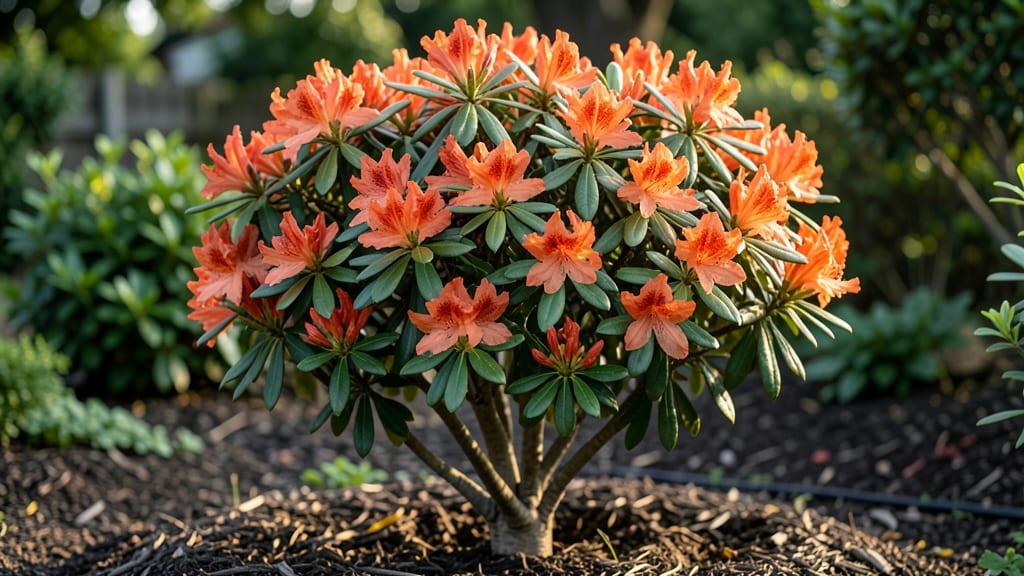
Summer flowering azaleas bring bold color and sweet fragrance to your garden when most plants are fading. 🌸 I’ve grown them for years, and the key to their vibrant summer displays isn’t complicated—it’s about timing, soil, and a few simple seasonal tweaks that keep them thriving even in heat waves.
These shrubs love partial shade and moist, acidic soil, but they’re tougher than they look. Plant them in early spring or fall when roots can establish before summer stress hits.
Once settled, they reward you with clusters of blooms from late spring through summer, and with the right care, they’ll even put on a second show in fall.
You’ll end up with lush foliage and fragrant flowers that attract hummingbirds all season. The secret? Pruning right after blooming to shape them, mulching to keep roots cool, and watering deeply but not soggy.
Even in hot zones, they’ll stay vibrant if you give them a little extra attention during droughts.
Works beautifully in landscapes, foundation plantings, or even large containers. Here’s how to keep yours looking their best through every season—no fuss, just stunning results.
📚 In This Guide
- What you need
- Instructions
- Tips and common mistakes
- Wrapping up and next steps
What you need
- ● Summer flowering azalea plants: 1–5 plants (depending on desired coverage; spacing 3–5 feet apart for mature size).
- ● Choose varieties like 'George Lynn,' 'Summer Fun,' or 'Hino Crimson' for bold color!
- ● Well-draining acidic soil: pH 4.5–6.0 (test with a soil kit or send a sample to a local extension office).
- ● Amend heavy clay or alkaline soil with peat moss or pine bark fines (5–10 gallons per planting hole).
- ● Organic mulch: 2–3 inches of pine straw, wood chips, or shredded bark (avoid fresh wood chips).
- ● Slow-release acid-loving fertilizer: 10–20 lbs of azalea-specific fertilizer (e.g., 8-3-9 or 12-4-8 formula).
- ● Watering supplies: Hose with a soaker nozzle or drip irrigation system.
- ● Required: Garden trowel or hand shovel (for small plants).
- ● Garden fork or transplant spade (for larger plants or heavy soil).
- ● Gloves (to protect hands from thorns and soil).
- ● Pruning shears (for shaping or removing dead blooms).
- ○ Optional (but helpful): Soil pH test kit ($10–$20; saves time and guesswork!).
- ● Mulch spreader (for large garden areas).
- ● Stakes and ties (if planting in windy areas).
- ● Slow-release fertilizer spreader (for even distribution).
- ● ✅ Sunlight: Partial shade (morning sun + afternoon shade) or dappled sunlight (4–6 hours/day). Avoid harsh afternoon sun in hot climates.
- ● ✅ Water access: Consistent moisture (especially in the first year). Azaleas hate drought!
- ● ✅ Planting time: Fall or early spring (avoid summer heat). Container-grown azaleas can be planted year-round.
- ● ✅ Local climate check: Verify your USDA Hardiness Zone (most summer azaleas thrive in Zones 6–9).
Step-by-Step guide for planting and caring for summer flowering azaleas
Here’s how to bring these fragrant, vibrant bloomers into your garden with minimal fuss.
🪴 Step 1: Choose the Right Location and Soil
Summer azaleas thrive in partial shade—think morning sun and afternoon shade in warmer climates, or dappled light if you’re in a hotter zone. Avoid full sun, which can scorch their delicate petals. I always test the spot by checking if nearby plants like ferns or hostas grow well there—those are good indicators.
These beauties love acidic, well-draining soil with a pH between 5.0 and 6.0. If your soil is heavy clay or alkaline, mix in 2-3 inches of peat moss or pine bark fines into the planting hole. Work the amended soil into the native dirt until it’s loose and fluffy—you should see roots spreading easily without resistance.
🌱 Step 2: Plant with Proper Spacing and Depth
Dig a hole twice as wide as the azalea’s root ball but only as deep as the container’s bottom. This prevents burying the trunk too deeply, which can rot the stem. Gently remove the plant from its container and loosen any circling roots—just tease them apart with your fingers, no need to slice them.
Place the azalea in the hole so the top of the root ball sits 1 inch above soil level. Backfill with the amended soil, firming it lightly around the roots to remove air pockets. Water deeply right after planting—1 gallon per plant—to settle the soil and encourage root spread. Mulch with 2-3 inches of pine straw or wood chips, keeping it 6 inches away from the trunk to prevent rot.
💧 Step 3: Water Consistently and Fertilize Lightly
Azaleas hate soggy roots, so water once a week during the first growing season, aiming for 1-1.5 inches of water per week. Check moisture by sticking your finger 2 inches into the soil—if it’s dry, water; if damp, wait. In hot summers, you might need to water twice a week, but avoid overhead sprinkling, which can cause fungal issues.
Feed them once in early spring with an acid-loving plant fertilizer (like a 8-3-9 or 10-10-10 formula). Skip summer fertilizing—too much nitrogen now can reduce blooms next year. I also add a handful of cottonseed meal to the soil in spring for a slow-release nitrogen boost without overfeeding.
☀️ Step 4: Prune After Blooming and Monitor for Pests
Wait until after the flowers fade in late summer to prune. Remove dead or crossing branches first, then trim back any leggy growth to shape the plant—never cut into old wood, as azaleas bloom on new growth. I like to keep them rounded and full rather than letting them get too tall and sparse.
Watch for azalea lace bugs or spider mites, which love dry conditions. If you spot tiny yellow spots on leaves or webbing, spray with neem oil or insecticidal soap on a calm day. A strong blast of water from the hose can also knock off pests—just do it in the early morning so leaves dry quickly.
⏰ Step 5: Prepare for Winter Dormancy
Azaleas are tough once established, but young plants need extra protection in cold climates. Apply 4-6 inches of mulch around the base in late fall to insulate roots. In zones with hard freezes below 10°F, wrap the plant in burlap or use a tree guard to shield it from windburn.
Skip winter pruning—wait until spring to check for dead branches. If you see brown, mushy stems, it’s likely winter damage, and you can trim those back in early spring. The key is patience: azaleas reward consistent care with years of vibrant blooms and that intoxicating fragrance.
Tips & tricks for perfect summer flowering azaleas
Here's what I've learned after years of growing these stunning, fragrant plants—simple secrets that make all the difference.
Soil Test First: Before amending your soil in Step 1, grab a soil test kit from your local garden center ($10-15). Azaleas are fussy about pH, and knowing your exact starting point helps you adjust more precisely. If your soil tests above 6.0, you'll need to mix in more peat moss or pine bark fines—aim for that 5.0-6.0 range. I've seen plants struggle because the soil was "close enough" but still too alkaline.
Root Ball Care: When removing your azalea from the container in Step 2, don't rush to separate circling roots. Instead, run your fingers gently around the edges of the root ball to loosen it naturally. If you see roots growing in tight circles, you can make a small vertical cut with clean shears to break the spiral pattern—this helps roots spread outward instead of staying compacted. The goal is to mimic natural root growth patterns.
Watering Wisdom: The 1-1.5 inches per week guideline in Step 3 works for most gardens, but here's the real trick: water deeply but infrequently. Instead of light daily sprinkles, give your azaleas a thorough soaking that penetrates 6-8 inches deep. This encourages roots to grow downward where they'll find moisture, making your plants more drought-resistant over time. In hot climates, I water in the early morning to reduce evaporation.
Winter Protection: For those hard freezes below 10°F mentioned in Step 5, don't just wrap your plant—create a windbreak too. Place a burlap windscreen on the north side of your azalea to block cold winter winds. I've seen plants survive -15°F with this extra protection, while unwrapped plants showed winter damage. And remember: mulch should be 4-6 inches deep but pulled back 6 inches from the trunk to prevent rot.
Pro Tips for Summer Flowering Azaleas
- Here's what I've learned after years of growing these stunning, fragrant plants—simple secrets that make all the difference.
- Soil Test First: Before amending your soil in Step 1, grab a soil test kit from your local garden center ($10-15).
- Root Ball Care: When removing your azalea from the container in Step 2, don't rush to separate circling roots.
Frequently asked questions
Got questions about summer flowering azaleas? You’re not alone!
Whether you're a first-time gardener or a seasoned plant parent, these answers will help you grow vibrant, fragrant blooms with ease.
When do summer flowering azaleas bloom, and how long do the flowers last?
Summer flowering azaleas typically bloom from late spring through early summer (May–July), with some varieties extending into August. Their flowers last 3–6 weeks per flush, but deadheading spent blooms encourages a second, smaller round of flowers later in the season. Choose repeat-blooming varieties like ‘Summer’s Joy’ or ‘Girard’s Hot Pink’ for extended color!
Are summer flowering azaleas cold-hardy, or do they need winter protection?
Most summer azaleas thrive in USDA Zones 6–9, but tender varieties (like ‘Nancy Waterer’) may need winter mulch in colder climates. In Zone 5 or below, plant them in sheltered, south-facing spots and apply a thick layer of mulch (3–4 inches) after the first frost. Avoid heavy pruning in late winter—wait until after blooming to shape the shrub.
How often should I water summer flowering azaleas, especially during hot summers?
Water deeply 1–2 times per week during dry spells, aiming for 1–1.5 inches of water per session. Azaleas hate soggy roots, so ensure well-draining soil and avoid overhead watering (which can cause fungal issues). Mulch heavily to retain moisture, and monitor for wilting leaves—this is a sign they need hydration!
What pests or diseases commonly affect summer flowering azaleas, and how do I prevent them?
Watch for lance nematodes (stunted growth), azalea lace bugs (silver speckling on leaves), and powdery mildew (white fungal coating). Prevent pests with regular inspections and neem oil sprays. For mildew, improve airflow and avoid wetting foliage. Prune out infected branches immediately to stop spread.
Can I grow summer flowering azaleas in containers, or are they better suited for gardens?
Dwarf varieties like ‘Little Jim’ or ‘Hino Crimson’ thrive in 15–20 gallon containers with acidic potting mix. Use a slow-release fertilizer and repot every 2–3 years. Place containers in partial shade and water consistently—container plants dry out faster than in-ground shrubs. Just ensure pots have drainage holes!
Wrapping up and next steps
Summer flowering azaleas bring vibrant color, intoxicating fragrance, and effortless beauty to any garden—proving that stunning blooms don’t require high-maintenance care! 🌸 With the right soil, sunlight, and occasional pruning, these shrubs thrive year-round, rewarding you with lush foliage and seasonal splendor. Ready to transform your outdoor space?
Take the next step: pick your favorite variety and plant one today—your garden (and pollinators!) will thank you. Happy gardening! 🌱