
Companion Plants
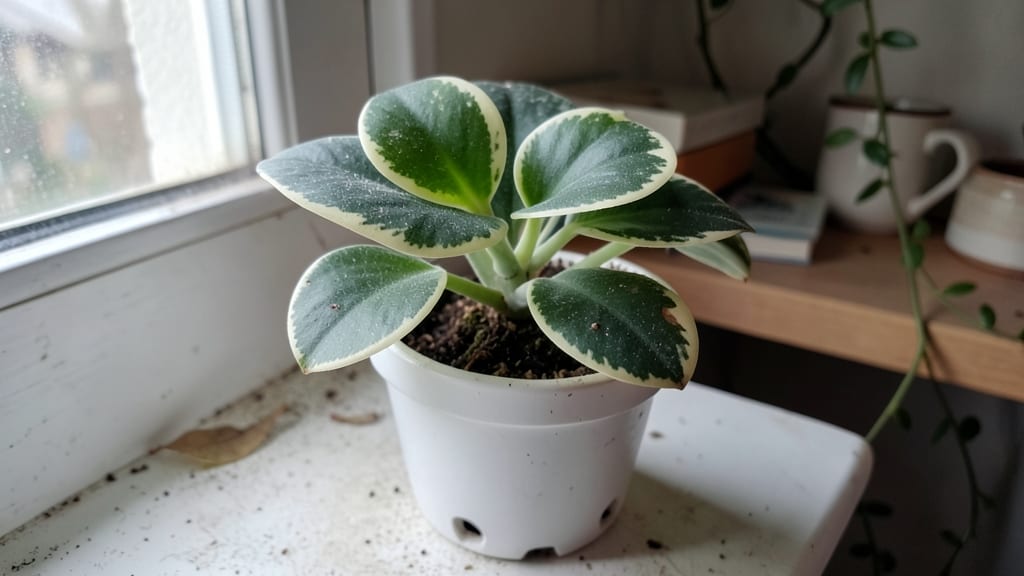
Indoor flowering plants year-round aren’t just possible—they’re easier than you think. 🌸 I’ve kept my living room blooming for 12 months straight, even with just a north-facing window. The secret isn’t fancy setups but matching the right plants to your light and a few simple care tweaks.
Start with plants like African violets, peace lilies, or orchids—they handle low light better than most and bloom reliably. Add a grow light for 6-8 hours daily if your space is dim, and you’ll see flowers year after year.
Watering’s the trickiest part: let the top inch of soil dry out between drinks, and avoid soggy roots.
With the right fertilizer (balanced liquid feed every 4-6 weeks), you’ll get nonstop blooms—think velvety pinks, bright whites, and even jewel-toned reds. My peace lily once flowered for 9 months straight, and it only took adjusting the light and cutting back dead leaves.
These plants work in hanging baskets, on bookshelves, or even as tabletop centerpieces. The key is consistency: light, water, and a little pruning. Let’s get your space blooming all year!
📚 In This Guide
- What you need
- Instructions
- Tips and common mistakes
- Wrapping up and next steps
What you need
- ● Indoor flowering plants: Choose low-light tolerant varieties like African violets, peace lilies, orchids, or spider plants (1–3 plants per space, depending on room size).
- ● Containers: 6–12-inch pots with drainage holes (1–3 pots, based on plant count). Use ceramic, terracotta, or plastic—just ensure they’re clean and sterilized!
- ● High-quality potting mix: 1–2 bags of well-draining, peat-based or coconut coir mix (avoid garden soil).
- ○ Drainage trays: 1–3 shallow trays to catch excess water (optional but helpful for aesthetics and hygiene).
- ● Grow lights: 1–2 LED full-spectrum grow lights (12–16 hours/day) or a south-facing window for natural light (if limited).
- ● Watering can or spray bottle: A gentle sprayer for hydration (avoid overwatering!).
- ● Fertilizer: Liquid or slow-release fertilizer (balanced 10-10-10 or organic options like fish emulsion).
- ● Humidity tray or pebble tray: 1–2 trays with pebbles and water to boost humidity (especially for tropical plants).
- ● Self-watering planters: For busy plant lovers—automates hydration!
- ● Plant food or compost: Organic boosters like worm castings or compost tea for extra nutrients.
- ● Pruning shears: Small, sharp scissors for trimming dead blooms or overgrowth.
- ● Plant labels: To track varieties and care routines.
- ● Decorative accents: Moss, pebbles, or decorative pots to elevate your plant display.
Step-by-step instructions for growing indoor flowering plants year round
Here’s how to keep your flowering plants vibrant indoors—no sunlight struggles required.
🌱 Step 1: Select the Right Plants for Low-Light Conditions
Not all flowering plants thrive indoors, so choose varieties that tolerate lower light levels. My top picks for year-round blooms include African violets, peace lilies, and spider plants—all of which bloom reliably under artificial light. Avoid sun-loving plants like geraniums or orchids unless you have a grow light setup.
Check the plant tags for light requirements before buying. If you’re starting from seed, select varieties labeled as "low-light tolerant" or "indoor-friendly." I always opt for established plants from a nursery, as they’ve already proven they can bloom indoors.
🪴 Step 2: Choose Containers with Proper Drainage and Size
Use pots with drainage holes to prevent root rot—a common killer of indoor flowering plants. Terra cotta pots are ideal because they allow excess moisture to evaporate through the walls. If your chosen pots lack drainage, drill holes in the bottom and add a layer of pebbles or broken pottery to keep soil from clogging them.
Size matters too. A pot that’s too large holds excess moisture, while one too small restricts root growth. For most flowering plants, a 6-inch diameter pot is perfect for a single plant. If you’re growing multiple plants together, space them at least 4 inches apart to allow airflow and prevent disease.
☀️ Step 3: Set Up Supplemental Lighting for Consistent Blooms
Indoor flowering plants need 12-14 hours of light daily to bloom reliably. A south-facing window might not provide enough intensity, so I recommend using a full-spectrum LED grow light placed 6-12 inches above the plants. Adjust the height as the plants grow to maintain consistent light exposure.
Watch for signs of insufficient light: leggy stems, sparse foliage, or flowers that don’t open fully. If you notice these, move the plants closer to the light or increase the duration. A simple timer on your grow light ensures consistency, even when you’re at work.
💧 Step 4: Water and Fertilize for Continuous Blooming
Overwatering is the fastest way to kill indoor flowering plants. Stick your finger 1 inch into the soil—if it feels dry, it’s time to water. Use room-temperature water and water until it drains freely from the bottom of the pot. Empty the saucer afterward to prevent soggy roots.
Feed your plants every 4-6 weeks with a balanced, water-soluble fertilizer diluted to half strength. During peak blooming season (spring and summer), I switch to a bloom-specific fertilizer to encourage more flowers. Always water before fertilizing to avoid root burn.
✂️ Step 5: Prune and Maintain for Long-Term Health
Deadhead spent blooms regularly to encourage new flowers and prevent seed production, which drains the plant’s energy. Use clean, sharp scissors to snip just above a set of leaves or a bud. This simple step keeps your plants looking tidy and promotes continuous blooming.
Rotate your plants a quarter turn weekly so they grow evenly toward the light. Dust the leaves occasionally with a damp cloth to help them absorb light more efficiently. With consistent care, your indoor flowering plants will reward you with year-round color and beauty.
Tips & tricks for perfect indoor flowering plants
Here’s what I’ve learned after years of keeping indoor blooms thriving without natural sunlight—these little tricks make all the difference.
Lighting Strategy: The 12-14 hours of daily light is non-negotiable for consistent blooming, but don’t just set it and forget it. I place my grow light on a timer set to turn on at 6 AM and off at 8 PM, mimicking natural daylight cycles. This routine helps regulate your plants' internal clocks and encourages more reliable flowering. For plants near windows, rotate them weekly to ensure even exposure—you’ll notice new growth leaning toward the light if they’re not getting balanced exposure.
Container Intelligence: That 6-inch pot recommendation isn’t just about size—it’s about balance. Too large, and roots sit in damp soil too long; too small, and growth gets stunted. I always add a layer of perlite or coarse sand to the bottom of the pot before soil to improve drainage. This simple step prevents the number one killer of indoor plants: root rot. For multiple plants, keep that 4-inch spacing sacred—it’s what allows air to circulate and prevents fungal diseases.
Watering Wisdom: The finger test in Step 4 works, but here’s the secret: check soil moisture at the same time every week to build a routine. I test at 9 AM after the grow light has been on for an hour—this gives me consistent readings. And when you water, let that excess drain completely. I always empty saucers after 10 minutes to prevent salt buildup from tap water, which can damage roots over time.
Fertilizer Timing: That 4-6 week feeding schedule is perfect, but here’s my pro move: I always fertilize right after watering on a cloudy day. Plants absorb nutrients more efficiently when they’re not stressed by bright light. During winter months when growth slows, I stretch that schedule to 8 weeks—over-fertilizing in low-light conditions can actually burn roots. And never, ever fertilize a dry plant—always water first!
Pro Tips for Indoor Flowering Plants Year Round
- Here’s what I’ve learned after years of keeping indoor blooms thriving without natural sunlight—these little tricks make all the difference.
- Lighting Strategy: The 12-14 hours of daily light is non-negotiable for consistent blooming, but don’t just set it and forget it.
- Container Intelligence: That 6-inch pot recommendation isn’t just about size—it’s about balance.
Frequently asked questions
Got questions about keeping indoor flowering plants blooming all year?
You’re not alone! Here are answers to the most common concerns—from sunlight struggles to seasonal care—so you can enjoy vibrant blooms without the guesswork.
What are the easiest indoor flowering plants for year-round blooms with minimal sunlight?
Opt for low-light champions like peace lilies (white blooms), ZZ plants (technically a succulent but produces tiny flowers), or African violets. Snake plants and pothos (with occasional flowers) are also forgiving. Place them near bright, indirect light (e.g., north-facing windows) to encourage blooming.
How often should I fertilize indoor flowering plants to keep them blooming?
Feed your plants every 4–6 weeks during spring and summer with a balanced liquid fertilizer (10-10-10 or 20-20-20). Reduce to once every 2–3 months in fall/winter—over-fertilizing causes salt buildup, which stunts blooms. Always water first to avoid root burn!
Why won’t my indoor plant flower, even with good care?
Common culprits:
- Lack of light: Most flowering plants need at least 4–6 hours of bright, indirect light daily.
- Overcrowded roots: Repot every 2–3 years or when roots circle the pot.
- No dormancy period: Some plants (like orchids) need a cool, dry rest in winter to rebloom.
- Stress from sudden changes: Avoid moving plants frequently or drastic temperature shifts.
Can I grow flowering plants indoors without grow lights?
Yes! While grow lights (LED or fluorescent) boost blooms, many plants thrive near south- or west-facing windows. For zero sunlight, choose air plants (tillandsias) or self-watering varieties like peperomias. Just rotate pots weekly for even growth.
What do I do if my indoor plant’s leaves turn yellow or drop?
Yellow leaves usually signal overwatering or root rot. Let the top 1–2 inches of soil dry out between waterings and ensure pots have drainage holes. Brown edges? Underwatering or low humidity—mist leaves or use a pebble tray. Pro tip: Wipe leaves monthly with a damp cloth to mimic rain and improve light absorption.
Wrapping up and next steps
Bringing indoor flowering plants into your home year-round isn’t just possible—it’s a rewarding way to enjoy nature’s beauty without relying on sunlight.
From low-light champions like the ZZ plant to vibrant bloomers such as the peace lily, these companions thrive with the right care, transforming any space into a lush oasis. Start small, experiment with what works for your environment, and soon, your home will burst with color and life! 🌸
Ready to dive in? Pick one plant from this guide, gather your supplies, and give it a try—your future indoor garden awaits! 🌱