
Container Gardens
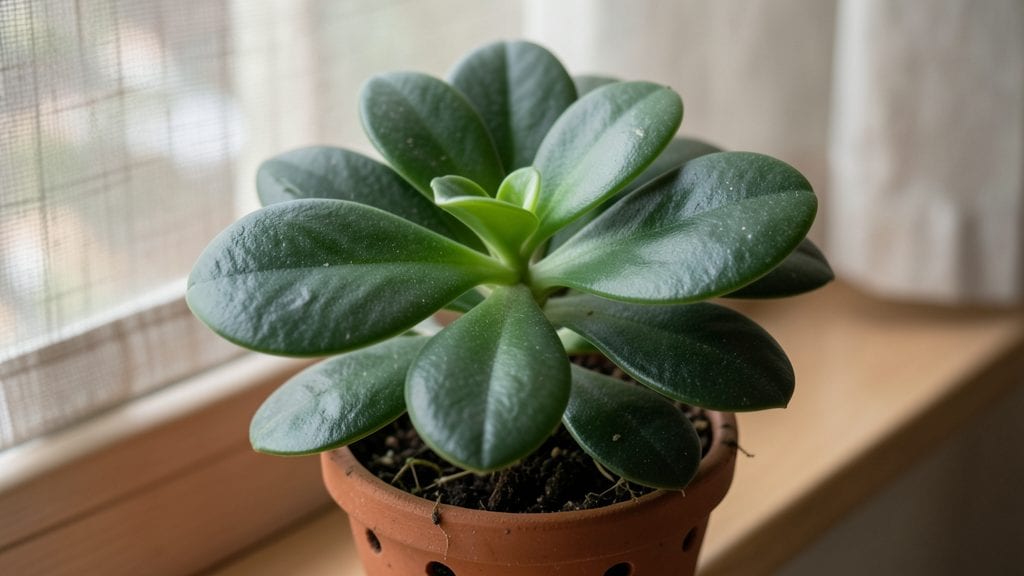
Growing potted indoor flowers that thrive year-round isn’t as tricky as it seems—my peace lilies and orchids prove it. The key lies in matching the right plant to your light, humidity, and care habits, then sticking to a simple routine that keeps roots happy without fuss.
I’ve learned which varieties handle low light best, how often to water without drowning them, and the exact fertilizer schedule that triggers consistent blooms. Between you and me, the biggest mistake is treating indoor plants like outdoor ones—once you adjust, the results are shockingly lush.
Start with plants that match your home’s conditions: peace lilies and snake plants tolerate low light, while African violets and orchids crave bright, indirect sunlight. Use well-draining soil mix designed for indoor plants, and always include a pot with drainage holes to prevent root rot.
A small spray bottle keeps humidity up for tropical varieties, while a simple watering schedule—every 7 to 10 days—keeps most blooms thriving. The secret weapon? A balanced liquid fertilizer diluted to half-strength, applied every 4 to 6 weeks during growing season.
Even my black thumb can’t kill these with this approach.
You’ll notice the difference within weeks: vibrant green foliage, tight buds forming regularly, and blooms that last longer than store-bought arrangements. The plants stay compact, the air stays fresh, and you avoid the dreaded winter dropoff that wipes out collections.
My orchids now rebloom twice a year, and the peace lily’s white flowers appear like clockwork every spring. The best part? No dark, musty corners or wilting leaves—just healthy growth that feels like a small victory every time you walk past them.
This method works for any indoor space, from sunny lofts to north-facing apartments, as long as you pick the right plants and adjust care to your environment.
Whether you’re dealing with dry heat or damp air, the principles stay the same: drainage, light, and consistency. Let’s get those pots blooming reliably—no green thumb required.
📚 In This Guide
- What you need
- Instructions
- Tips and common mistakes
- Wrapping up and next steps
What you need
- ● Flowering plant(s) – Choose low-light tolerant varieties like peace lilies, snake plants, or African violets (1–3 plants per pot).
- ● Pot with drainage holes – 6–12 inches in diameter (terracotta or ceramic works best).
- ● Well-draining potting mix – 2–3 gallons (look for a blend labeled for indoor plants).
- ● Watering can or spray bottle – With a fine rose attachment for gentle hydration.
- ● Houseplant fertilizer – Balanced liquid fertilizer (10-10-10 or 20-20-20, diluted to half-strength).
- ○ Moisture meter (optional but helpful) – To check soil hydration without overwatering.
- ● Decorative pebbles or moss – For a polished look (1–2 cups per pot).
- ● Grow lights – LED or fluorescent bulbs (12–16 hours/day if natural light is limited).
- ● Humidity tray – A shallow tray with pebbles and water to boost moisture.
- ● Plant labels – To track watering schedules and care tips.
Step-by-Step instructions for growing potted indoor flowers
Here's my go-to method for keeping potted indoor flowers vibrant and blooming all year—no green thumb required.
Choose the Right Containers and Drainage
Select pots with drainage holes—this is non-negotiable. I use ceramic or terracotta containers because they wick away excess moisture, which prevents root rot. If your chosen pot lacks holes, drill 2-3 yourself using a small drill bit. Place a layer of pebbles or broken pottery at the bottom to create a reservoir for water while keeping roots above it.
Size matters too. For most flowering plants, a 6-8 inch diameter pot works well for single plants, while larger varieties like orchids or ferns need 10-12 inch pots. Overpotting leads to soggy soil, so avoid anything bigger than necessary. Check the plant's tag for specific recommendations—this ensures you’re not guessing.
Use Lightweight, Well-Draining Soil Mix
Fill the pot with a well-draining potting mix—never garden soil. I mix one part perlite or pumice with two parts premium potting soil to improve aeration. This blend prevents compaction, which roots despise. Moisten the mix with room-temperature water until it’s damp but not dripping, then let it sit for 10 minutes to settle.
Gently tap the sides of the pot to eliminate air pockets, then add a 1-inch layer of orchid bark or coconut coir on top. This extra layer helps retain moisture while allowing roots to breathe. If your plant came in a nursery pot, loosen the roots slightly before placing it in the new container—this encourages them to spread into the fresh soil.
Position for Optimal Light Without Direct Sun
Most indoor flowers thrive in bright, indirect light—think near an east-facing window or a few feet from a south-facing one. Avoid harsh afternoon sun, which scorches leaves. If your space is dim, supplement with a grow light placed 12-18 inches above the plant for 12-14 hours daily. You’ll notice leaves turning pale or stretching toward light? That’s your cue to adjust.
Rotate the pot a quarter turn weekly so the plant grows evenly. I place a sticky note on the windowsill to remind myself—consistency keeps stems sturdy and blooms symmetrical. If your plant develops brown patches on leaves, it’s getting too much direct sun. Move it back a few feet immediately.
Water Deeply but Sparingly
Water when the top inch of soil feels dry to the touch. I use the finger test: stick your index finger into the soil—if it’s damp past the first knuckle, wait another day. Pour water slowly until it drains freely from the bottom holes, then empty the saucer to prevent root suffocation. Overwatering is the #1 killer of potted indoor flowers, so err on the side of dryness.
Mist the leaves occasionally if your home has low humidity, but avoid wetting the foliage of plants like African violets or orchids—they’re prone to fungal spots. Instead, place the pot on a tray of pebbles filled with water (ensure the pot isn’t sitting in it) to increase humidity naturally. You’ll see new growth within 2-3 weeks if moisture levels are just right.
Feed and Prune for Continuous Blooms
Start fertilizing 2 weeks after repotting with a balanced liquid fertilizer (10-10-10 ratio) diluted to half-strength. Apply every 4-6 weeks during the growing season (spring and summer). I skip fertilizer in fall and winter unless the plant is actively blooming. Over-fertilizing burns roots—always follow the package instructions.
Deadhead spent blooms by pinching them off with your fingers or clean pruners. This redirects the plant’s energy into new flowers instead of seed production. Prune leggy stems back by one-third to encourage bushier growth. If your plant looks crowded, divide it every 2-3 years into smaller pots—this rejuvenates root health and boosts flowering.
Tips & tricks for perfect potted indoor flowers
Here's what nobody tells you about keeping your potted indoor flowers thriving—these tricks make all the difference between happy plants and sad, wilted ones.
The Drainage Layer Secret: In Step 1, when creating your drainage layer, I recommend adding a 1/2-inch layer of charcoal beneath the pebbles. This extra step absorbs odors and prevents bacterial buildup in the soil, keeping your roots healthier for months. It's especially helpful if you're repotting plants that have been sitting in the same soil for a while.
Soil Mixing Tip: When mixing your soil in Step 2, don't just eyeball the perlite or pumice—measure it precisely. For every 12-inch pot, use exactly 1/4 cup perlite or pumice to 1 cup premium potting soil. This ratio ensures proper aeration without making the mix too dry. I've found that using a small kitchen scale for this step eliminates guesswork completely.
Light Rotation Strategy: The weekly quarter-turn rotation in Step 3 is crucial, but here's a pro move: use a colored dot on the pot's bottom to track orientation. Place the dot facing a fixed direction (like north) when you first rotate. This visual cue makes it impossible to forget and ensures even growth. I've seen plants develop uneven growth when owners forget to rotate consistently.
Watering Technique: For Step 4's finger test, here's the real trick: use your middle finger for the test—it's less sensitive than your index finger and gives more consistent results. Also, always water in the morning so excess moisture evaporates during the day, reducing the risk of fungal growth. I've learned this the hard way after losing plants to overwatering in humid conditions.
Pro Tips for Potted Indoor Flowers
- Here's what nobody tells you about keeping your potted indoor flowers thriving—these tricks make all the difference between happy plants and sad, wilted ones.
- The Drainage Layer Secret: In Step 1, when creating your drainage layer, I recommend adding a 1/2-inch layer of charcoal beneath the pebbles.
- Soil Mixing Tip: When mixing your soil in Step 2, don't just eyeball the perlite or pumice—measure it precisely.
Frequently asked questions
Got questions about keeping your potted indoor flowers happy without the hassle? You’re not alone! Here are some of the most common queries—plus quick, fuss-free answers to keep your blooms thriving.
How often should I water my potted indoor flowers?
Watering depends on the plant, but a general rule is to check the soil’s moisture before watering. Stick your finger about an inch deep—if it’s dry, it’s time. Overwatering is the #1 killer, so let the top layer dry out between waterings. Most indoor flowers prefer moderate moisture, not soggy soil.
Why are my indoor flowers dropping leaves or buds?
Leaf or bud drop usually signals stress from overwatering, underwatering, or sudden temperature changes. Check your plant’s light needs—some (like peace lilies) thrive in low light, while others (like orchids) need bright, indirect light. Also, avoid drafts from AC vents or heaters.
Can I use tap water for my potted indoor flowers?
Tap water is fine for most plants, but if it’s hard (high in minerals) or chlorinated, it can harm roots over time. Let tap water sit out for 24 hours before using, or use filtered/rainwater. Some plants (like ferns) are extra sensitive—when in doubt, opt for distilled water.
What are the easiest low-maintenance indoor flowers to grow?
If you’re new to potted flowers, try these beginner-friendly picks:
- Snake Plant (Sansevieria): Thrives in low light, needs water every 2-3 weeks.
- ZZ Plant (Zamioculcas): Nearly indestructible—water monthly.
- Peace Lily (Spathiphyllum): Blooms often and tells you when it’s thirsty (droopy leaves!).
- Pothos (Epipremnum): Fast-growing, forgiving, and great for hanging pots.
How do I revive a dying potted indoor flower?
Don’t toss that plant yet! Start by trimming dead leaves and checking for pests (like spider mites). Repot if the soil is waterlogged or compacted, and adjust light/temperature. For severe cases, propagate cuttings (many flowers, like pothos, root easily in water!). Patience is key—some plants bounce back in 2-4 weeks with proper care.
Pro Tip:
Rotate your pots quarter-turn weekly to ensure even light exposure—this prevents lopsided growth and keeps your flowers looking their best!
Wrapping up and next steps
Bringing potted indoor flowers into your home isn’t just about aesthetics—it’s about creating a living, breathing corner of joy with minimal effort! With the right soil mix, lighting, and care routine, even the busiest plant parent can nurture thriving blooms.
Remember, consistency is key—just a little love and attention will reward you with vibrant, long-lasting beauty.
Ready to dive in? Start small! Pick one low-maintenance variety like a snake plant or pothos, follow the steps above, and watch your green thumb grow. Happy planting! 🌱✨