
Pests
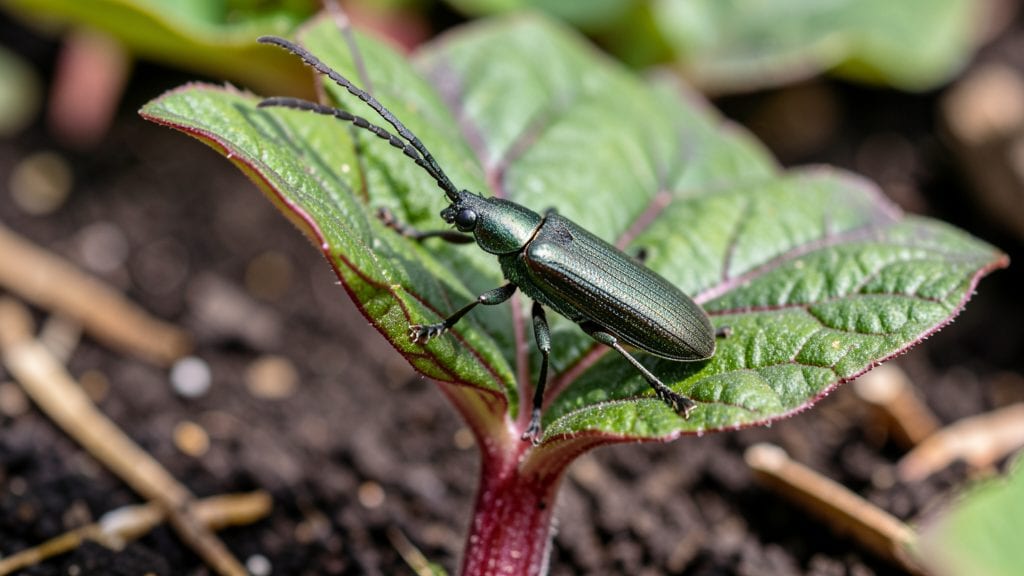
Spotting a flower longhorn beetle on your prized roses or lilacs can feel like a nightmare—those striped antennae and chewed leaves are a dead giveaway.
I’ve watched these guys turn my garden from lush to lacy in just a few days, but there’s a way to handle them without reaching for harsh chemicals. The key is acting fast and using their own biology against them.
These beetles don’t just munch—they leave behind sawdust-like frass and tiny exit holes in stems, signaling it’s time to intervene. I learned the hard way that waiting too long means more damage and a harder cleanup.
The good news? A mix of pruning, companion planting, and targeted traps can keep them in check without harming your plants or the pollinators you actually want in your garden.
By the time you’re done, your flowers will bounce back stronger, and you’ll have a foolproof system to catch these beetles early. Think fewer chewed leaves, more blooms, and a garden that stays vibrant all season long. Let’s get those antennae under control—naturally.
This works for roses, lilacs, and other flowering favorites, whether you’re dealing with a small patio container or a full backyard border. The secret is consistency—check your plants weekly, and you’ll spot them before they spot you.
Root Causes Of Infestations
Longhorn beetles, including the striking flower longhorn beetle (often Strangalia or Typocerus species), don’t just appear out of nowhere—they’re drawn to specific conditions in your garden. Understanding these triggers helps you take proactive steps to prevent them. Here’s why these beetles show up in the first place:
Flower longhorn beetles are specialized feeders—they target weakened, stressed, or dying plants, especially those in the Fabaceae (legume) family, Rosaceae (rose family), or Salicaceae (willow family). Here’s why:
- Nutrient deficiency: Plants low in nitrogen or other essential nutrients emit volatile organic compounds (VOCs) that act like a dinner bell to beetles. Think of it as a distress signal in the plant world.
- Drought or overwatering: Both extremes stress plants, making them easier prey. Beetles detect ethylene gas, a chemical plants release when under stress.
- Pest or disease damage: If aphids, mites, or fungal infections have already weakened your plants, longhorn beetles will move in for the kill.
Actionable fix: Keep plants healthy with balanced fertilizer (look for a 10-10-10 NPK ratio), consistent watering, and regular pruning to remove dead or diseased branches.
Adult longhorn beetles lay eggs in soft, decaying wood—think dead branches, stumps, or even firewood piles. The larvae then burrow into the wood to feed, which can kill otherwise healthy trees over time. Here’s the science:
- Fungal activity: Decaying wood often hosts fungi like Ophiostoma, which softens the wood and attracts beetles. The beetles’ larvae thrive in this environment.
- Moisture retention: Damp wood holds onto water, creating the perfect nursery for beetle eggs and larvae. This is why stumps and mulch piles are hotspots.
- Lack of predators: In urban or suburban gardens, natural predators (like birds or parasitic wasps) are often absent, giving beetles free rein.
Actionable fix:
- Remove dead branches, stumps, and firewood piles from your yard—especially near flowering plants.
- If you must keep firewood, store it at least 20 feet away from your garden and elevate it off the ground.
- Apply borate treatments to stumps or freshly cut wood to deter beetles.
While larvae destroy wood, adult flower longhorn beetles are pollinator imposters. They’re drawn to blooming plants—not for food, but for nectar and mating opportunities. Here’s how it works:
- Floral attraction: Brightly colored flowers (especially purple, yellow, or white) mimic the appearance of healthy plants, luring beetles in for a quick sugar fix.
- Mating signals: Some species release pheromones that mimic floral scents, creating a "meeting spot" for beetles to mate near flowers.
- Lack of natural competition: In gardens with few native predators (like bats or dragonflies), invasive longhorn beetles dominate floral resources.
Actionable fix:
- Plant native flowers that attract beneficial predators, like milkweed (for ladybugs) or coneflowers (for parasitic wasps).
- Avoid over-fertilizing flowering plants—excess nitrogen can make them more appealing to beetles.
- Handpick adult beetles from flowers early in the morning when they’re sluggish (drop them in soapy water).
Longhorn beetles are highly sensitive to temperature and humidity. Their life cycles sync with seasonal changes, making some times of year riskier than others:
| Season | Why Beetles Appear | Peak Activity |
|---|---|---|
| Spring (Late April–June) | Warmth triggers adult emergence from overwintering sites (like bark crevices). They seek out fresh sap and flowers. | Dawn and dusk (cooler temps) |
| Summer (July–August) | High humidity and decaying wood create ideal larval habitats. Adults mate and lay eggs in soft wood. | Mid-morning (after dew evaporates) |
| Fall (September–October) | Beetles seek shelter for winter, often hiding in leaf litter or under bark. Eggs laid in late summer hatch into larvae. | Overcast days (avoiding predators) |
Actionable fix:
- Spring: Inspect trees for exit holes (D-shaped, like a woodpecker’s) and treat stumps with insecticide.
- Summer: Mulch away from tree trunks to reduce moisture retention near roots.
- Fall: Rake up leaf litter and remove hiding spots for overwintering adults.
Pro tip: 💡 Monitor your garden’s microclimate—beetles favor shady, damp areas. If your yard has poor drainage, consider French drains or gravel to reduce humidity hotspots.
Practical ways to manage wood-boring beetles
Discovering wood-boring beetles like the flower longhorn beetle in your garden or home can be alarming, but the good news is that targeted, eco-friendly solutions exist.
Whether you're dealing with larval damage in trees, infested firewood, or beetles attracted to your prized plants, these fixes will help you regain control without harming your garden ecosystem. Below, we break down the most effective approaches based on the root cause of your problem.
If you’ve spotted adult beetles or sawdust-like frass near woodpiles, stumps, or dead branches, the first step is elimination. Beetles lay eggs in decaying or stressed wood, so removing their breeding grounds is critical.
🪓 Step-by-Step Cleanup
- 🔍 Inspect and Identify – Check trees, logs, and firewood for signs of infestation (holes, sawdust piles, or adult beetles).
- 🗑️ Remove and Dispose – Cut down heavily infested branches or trees (if safe) and do not compost them. Burn or haul away debris to a landfill.
- 🪵 Replace Firewood – If beetles are in stored wood, replace it with untreated, dry lumber from a reputable supplier.
- 🌳 Prune Strategically – Trim dead or dying branches from trees to reduce hiding spots. Seal wounds with pruning paint to deter future infestations.
💡 Pro Tip: If you must keep firewood on your property, store it at least 20 feet away from your home and elevate it off the ground to discourage beetles from migrating indoors.
If beetles are targeting healthy plants—especially young trees, roses, or ornamental shrubs—focus on preventive protection rather than reactive treatments. These pests are drawn to stressed or weakened plants, so boosting plant resilience is key.
🛡️ Prevention Tactics
- 💧 Hydrate and Fertilize – Keep soil moist and well-drained, and fertilize plants to strengthen their defenses. Healthy plants are less attractive to beetles.
- 🪴 Use Physical Barriers – Wrap tree trunks with tree guards (metal or plastic) to prevent adult beetles from laying eggs in bark crevices.
- 🍃 Apply Beneficial Nematodes – Soil-dwelling nematodes like Steinernema carpocapsae can target beetle larvae without harming plants or beneficial insects.
- 🌿 Introduce Predatory Insects – Encourage natural predators such as parasitic wasps or ground beetles by planting native flowers like dill, fennel, or yarrow.
✨ Bonus Tip: A light application of kaolin clay (like Surround WP) on tree bark can create a barrier that confuses and repels adult beetles.
If beetles have made their way inside your home—often through firewood, window screens, or cracks in siding—you’ll need to block their access and disrupt their life cycle.
🔒 Home Defense Checklist
- 🚪 Inspect and Seal Gaps – Use caulk or weather stripping to seal cracks around windows, doors, and utility lines.
- 🪵 Avoid Bringing Infested Wood Inside – Never store firewood in basements, garages, or sheds attached to your home.
- 🕯️ Use Pheromone Traps – Place longhorn beetle traps (with aggregation pheromones) near entry points to catch adults before they lay eggs.
- 🧹 Vacuum Adult Beetles – If you spot beetles indoors, vacuum them up immediately and dispose of the bag outside.
🔥 Warning: Avoid using chemical pesticides indoors—they can harm pets, children, and beneficial insects. Opt for diatomaceous earth (food-grade) in hidden cracks for a non-toxic solution.
The best way to keep flower longhorn beetles at bay is to disrupt their habitat and life cycle before they become a problem. Implement these habits year-round:
📅 Year-Round Maintenance Plan
- 🪓 Spring: Prune dead wood and treat trees with neem oil to deter egg-laying.
- ☀️ Summer: Monitor for adult beetles during dusk/dawn (their active times) and remove them manually.
- 🍂 Fall: Clear leaf litter and debris from garden beds to eliminate overwintering sites.
- ❄️ Winter: Store firewood covered and elevated to prevent moisture buildup, which attracts beetles.
🎯 Final Thought: Consistency is key—beetles thrive in neglected spaces, so regular inspections and proactive care will keep your garden (and home) beetle-free for years.
Frequently asked questions about flower longhorn beetles
What do flower longhorn beetles look like, and how can I tell them apart from other beetles?
These beetles have long, striped antennae (often longer than their bodies) and brightly colored bodies (yellow, orange, or black). Look for D-shaped exit holes in wood or chewed leaf edges on plants. Unlike ladybugs, their antennae aren't clubbed at the tips, and they lack the rounded shape of fireflies.
Are flower longhorn beetles harmful to my garden plants?
Yes, both larvae and adults cause damage. Larvae bore into weakened wood (killing trees over time), while adults chew leaf edges and leave sawdust-like frass. Focus on roses, lilacs, and fruit trees—their favorite snacks! Early intervention prevents long-term harm.
What’s the best natural way to remove them without chemicals?
Try these eco-friendly methods:
- Handpick adults early morning (drop in soapy water)
- Use kaolin clay on tree trunks as a repellent barrier
- Apply neem oil to plants to deter egg-laying
- Plant native flowers (like milkweed) to attract predator wasps
Can flower longhorn beetles infest my home?
They can enter through cracks, firewood, or window screens. Seal gaps with caulk, store firewood 20+ feet away from your house, and use pheromone traps near entry points. Avoid bringing untreated wood indoors—it’s their #1 highway into homes!
How long does it take to see results from treatment?
For manual removal (handpicking/trapping), you’ll see a difference in 1-2 weeks if done consistently. Natural repellents like neem oil or kaolin clay take 2-4 weeks to show full effects. Larval damage in wood may require seasonal monitoring—prune infested branches immediately to stop the cycle.