
Flowers
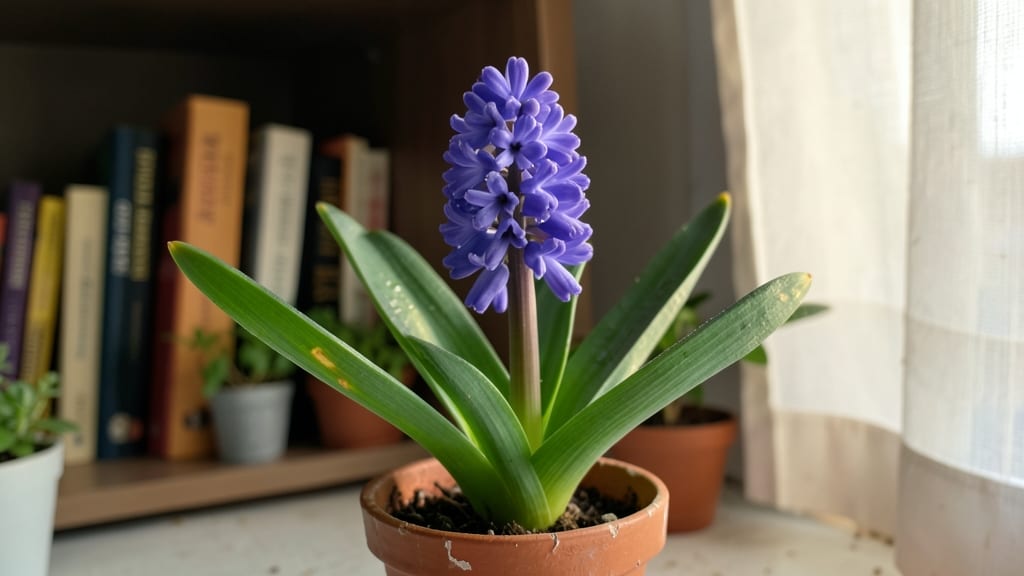
Cutting hyacinth flowers at the perfect moment unlocks their bold fragrance and keeps bouquets vibrant for weeks—something every gardener knows can feel like a gamble.
Those deep purple, pink, or white spikes smell like spring in a vase, but one wrong move and they’ll droop by day three. I’ve learned the tricks to stretch their life to two weeks or more, from the sharpest cut to the secret water mix that keeps them fresh.
Whether you’re forcing bulbs indoors for winter blooms or harvesting straight from your Zone 6a garden, timing is everything. The right moment to snip the stems makes all the difference—and I’ll show you exactly when that is.
Ready to turn fleeting beauty into lasting arrangements? Here’s how to preserve every petal and drop of scent, step by step.
How to cut and prepare hyacinth flowers for maximum freshness
Hyacinths are one of the most fragrant cut flowers, but their delicate stems require precise handling to preserve their vibrant color and intoxicating scent.
The moment you bring them home, proper cutting and preparation can extend their vase life from just a few days to two weeks or more. I’ve learned through trial and error that even small mistakes—like cutting at the wrong angle or leaving too many leaves—can drastically shorten their lifespan.
When you first bring hyacinths indoors, act quickly. These flowers are sensitive to ethylene gas, which speeds up wilting, so remove them from any fruit or vegetable storage areas immediately.
The key to long-lasting hyacinths starts with the cutting process—a clean, angled cut and proper leaf trimming make all the difference. Let’s walk through the exact steps I use to keep my hyacinth bouquets fresh and fragrant.
Step-by-Step Guide to Preparing Hyacinth Cut Flowers
-
Step 1: Trim the Stems at a 45-Degree Angle
Use a sharp, clean pair of pruning shears or scissors to cut the stems at a 45-degree angle, about 2 inches from the base. This increases the surface area for water absorption, which is critical for hydrating the entire stem. -
Step 2: Remove Lower Leaves
Strip off any leaves that will sit below the waterline in your vase. Submerged leaves rot quickly and promote bacterial growth, which can turn your water cloudy and shorten the flowers’ life. Leave only the top few leaves attached to the stem. -
Step 3: Re-cut Stems Under Water
Place the trimmed stems immediately into a bucket of lukewarm water. Re-cut the stems under water to prevent air bubbles from blocking the xylem, which delivers water to the flowers. This step alone can add 3-5 extra days of freshness. -
Step 4: Use a Floral Preservative
Fill your vase with room-temperature water and add a commercial floral preservative or a DIY mix of 1 teaspoon sugar, 1 teaspoon bleach, and 1 quart of water. The sugar feeds the flowers, while the bleach prevents bacterial growth. -
Step 5: Arrange Immediately
Place the hyacinths in the vase within 30 minutes of cutting. Delaying this step allows the stems to dry out, reducing their ability to absorb water. Arrange them loosely—don’t overcrowd—to ensure each stem gets adequate air circulation and water.
After preparing the stems, place your vase in a spot with indirect sunlight and moderate temperatures. Hyacinths hate drafts, so avoid placing them near air vents, windows with direct sun, or heating vents.
The ideal location is a cool room (around 65-70°F) where they can continue blooming slowly and release their fragrance without stress.
One common mistake I see is skipping the re-cutting step under water. Many people trim the stems once and then leave them sitting in a bucket or vase without re-cutting.
This allows air bubbles to form, blocking the stem’s ability to drink water. Always re-cut the stems under water every 2-3 days to keep them hydrated and upright.
For extra fragrance retention, add a drop of lemon or orange essential oil to the water. The citrus scent complements hyacinths’ natural aroma and may even repel pests that could harm the flowers.
Just be sure to use a food-grade essential oil in small amounts—too much can harm the petals.
If you’re forcing hyacinths indoors from bulbs, the same cutting principles apply. Once the flowers reach the bud stage (when the buds are slightly swollen but not yet open), cut them at the base using the same 45-degree angle technique.
This ensures they’ll last just as long as store-bought cut hyacinths.
Finally, change the water every 2-3 days and trim the stems again each time. This simple habit removes bacteria buildup and keeps the stems fresh. With these steps, your hyacinths will stay vibrant, fragrant, and beautiful for weeks instead of just a few days. 🌷✂️💧
Best vase solutions and water care for hyacinth cut flowers
Choosing the right vase material and water care routine can double the vase life of your hyacinth cut flowers. Glass vases allow you to monitor water levels easily, while ceramic vases provide a more rustic aesthetic.
The key is keeping the water fresh and adding a few simple ingredients to slow bacterial growth and feed the stems.
Your hyacinth stems will thrive in room-temperature water, but a quick rinse with cool water before arranging can shock the stems and help them absorb hydration faster.
Avoid hot water, as it can damage delicate stems and speed up wilting. Always use clean vases—bacteria from old water can clog stems and shorten their lifespan dramatically.
| Vase Type | Pros | Cons | Best For |
|---|---|---|---|
| Glass Vases | Easy to clean, see water level, lightweight | Less decorative, can scratch | Daily monitoring, modern arrangements |
| Ceramic Vases | Durable, decorative, retains coolness | Heavier, harder to see water level | Long-term displays, rustic styles |
| Plastic Vases | Lightweight, affordable, unbreakable | Less elegant, can degrade over time | Temporary arrangements, kids' projects |
Change the vase water every 2-3 days to prevent bacterial buildup, which can clog stems and cause wilting. Add a sugar solution (1 teaspoon per quart of water) to feed the flowers and a pinch of bleach (1/8 teaspoon per quart) to keep the water fresh.
This combo can extend their life by 5-7 days compared to plain water alone.
Place your hyacinth arrangement in a spot with indirect sunlight and avoid drafts, like near windows or vents. Direct sunlight can cause petals to fade faster, while drafts make stems dry out quickly. A cool room (around 65-70°F) is ideal for preserving their vibrant colors and intoxicating scent.
If your hyacinths lose fragrance or start wilting, trim the stems again under water to refresh them. Remove any leaves submerged in water to prevent rot. For extra longevity, add a commercial floral preservative like Chrysal Clear, which contains nutrients and anti-bacterial agents specifically designed for cut flowers.
With these simple water care tips, your hyacinth cut flowers will stay fresh and fragrant for two weeks or longer, making them the star of your home decor. The secret is consistency—clean water, proper additives, and the right environment make all the difference! 🌷