
Flowers
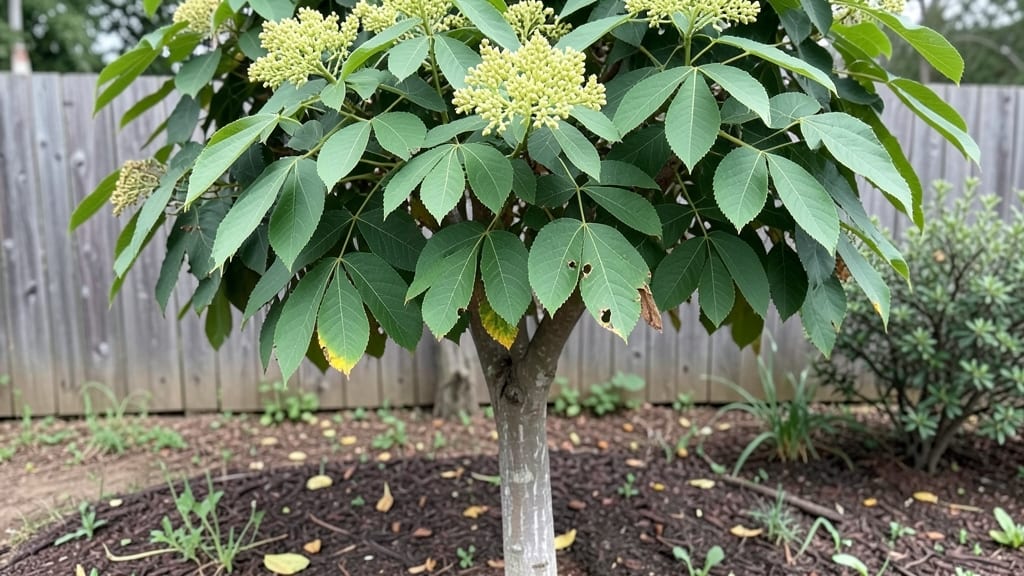
The paradise tree flowers bring a touch of old-world elegance to any garden, with their delicate, creamy blossoms that perfume the air like a tropical breeze. 🌿 I’ve always loved how they transform a plain backyard into a fragrant retreat—especially when planted near seating areas where you can truly appreciate their intoxicating scent.
These flowers aren’t just pretty; they’re a conversation starter, with their unique shape and year-round fragrance that keeps guests lingering.
What makes them so special is their versatility—whether you’re going for a lush tropical vibe or a Mediterranean-inspired border, this tree fits right in. Pair it with drought-tolerant plants like bougainvillea or lavender for a low-maintenance, high-impact look, or let it shine as a standalone specimen near patios or entryways.
The glossy, dark green leaves add texture, while the flowers create a soft, romantic backdrop for any outdoor space.
Once established, these trees thrive with minimal fuss, making them perfect for busy gardeners who still want that wow factor. The blooms attract pollinators too, so you’ll get the added bonus of a mini ecosystem buzzing around your garden.
Imagine sipping morning coffee while the scent drifts through the air—it’s the kind of detail that turns a yard into a sanctuary.
For best results, plant them in well-draining soil and give them plenty of space to grow—these aren’t small trees, but their slow growth means they won’t outpace your garden overnight.
Whether you’re revamping a tired corner or adding a touch of luxury to an existing design, the paradise tree delivers effortless glamour with every bloom.
📚 In This Guide
- What you need
- Instructions
- Tips and common mistakes
- Wrapping up and next steps
What you need
- ● Paradise tree seeds or saplings: 1-3 (seeds take 2-3 years to flower; saplings offer faster results).
- ● Well-draining potting mix: 5 gallons (blend 60% coconut coir, 30% perlite, 10% compost).
- ● Containers or garden bed: For containers: 1-2 large pots (12"+ diameter) with drainage holes.
- ● For in-ground planting: A sunny spot with loose, slightly acidic soil (pH 5.5-6.5).
- ● Slow-release fertilizer: 1 lb (balanced 10-10-10 or citrus-specific formula).
- ● Mulch: 2-3 inches of organic mulch (pine bark or shredded leaves).
- ● Gloves & long sleeves: Paradise trees have mild sap that can irritate skin.
- ● Trowel or shovel: For planting (medium-sized, 8-10" blade).
- ● Watering can or hose with gentle spray: Avoid over-saturating roots.
- ○ Pruning shears: Optional, for shaping (sterilize with rubbing alcohol).
- ● Climate check: Paradise trees thrive in USDA Zones 10-11 (or as a potted tropical in cooler zones).
- ● Humidity tray or pebble tray (for indoor pots).
- ● Citrus micronutrients (for vibrant foliage).
- ● Automatic drip irrigation system (for low-maintenance care).
Step-by-step guide to cultivating paradise tree flowers
Here's how to grow these fragrant tropical beauties with minimal fuss.
🌱 Step 1: Select the Right Location and Prepare the Soil
Paradise trees thrive in full sun—at least 6-8 hours daily. I always choose the warmest, most sheltered spot in my garden because these plants can't handle frost or cold drafts. If you're in a cooler climate, a large container lets you move it indoors during winter.
Amend your soil with 3-4 inches of compost mixed into the top 12 inches of soil. Paradise trees prefer well-draining, slightly acidic soil with a pH between 6.0-7.0. Test your soil first—if it's heavy clay, add 20% perlite or coarse sand to improve drainage. These plants hate soggy roots, so good drainage is non-negotiable.
☀️ Step 2: Plant Your Paradise Tree with Care
Dig a hole twice as wide as the root ball but only as deep as the container it came in. Gently remove the plant from its nursery pot and loosen any circling roots with your fingers. Place it in the hole so the top of the root ball sits 1 inch below soil level—this helps prevent stem rot.
Backfill with native soil mixed with compost, tamping lightly as you go. Water deeply right after planting to settle the soil and eliminate air pockets. You'll know it's done right when water drains freely from the bottom of the hole. Mulch around the base with 2-3 inches of organic mulch, keeping it 6 inches away from the trunk to prevent rot.
💧 Step 3: Water and Fertilize for Healthy Growth
Water your paradise tree deeply once a week during the first growing season, letting the soil dry out 2-3 inches deep between waterings. Overwatering is the fastest way to kill these plants—yellowing leaves usually mean you're watering too much. Once established, they're surprisingly drought-tolerant, so adjust your schedule based on rainfall.
Feed with a balanced, slow-release fertilizer (10-10-10) in early spring and again in midsummer. I always follow the package directions, but I've found paradise trees respond better to less fertilizer than most tropical plants. Too much nitrogen leads to lush foliage but fewer flowers. Watch for new growth in 4-6 weeks—that's your sign it's working.
✂️ Step 4: Prune and Maintain for Year-Round Blooms
Prune your paradise tree in late winter or early spring before new growth begins. Remove any dead, damaged, or crossing branches with clean, sharp pruners. I always cut just above a leaf node or bud to encourage new growth. Never prune more than 25% of the plant at once—these trees handle stress poorly.
Shape the plant lightly to maintain an open, airy form. This encourages better air circulation and more abundant blooming. You'll see the first flowers appear in 3-5 years for young plants, but established trees can bloom year-round in warm climates. Deadhead spent blooms regularly to redirect the plant's energy into new flowers rather than seed production.
🪴 Step 5: Protect and Enjoy Your Tropical Beauty
If you're growing your paradise tree in a container, move it indoors before temperatures drop below 50°F. Place it near a bright window or under grow lights. Reduce watering to every 2-3 weeks during winter months when growth slows dramatically.
Paradise trees are relatively pest-free, but watch for aphids or scale on new growth. A strong spray of water usually removes them, but severe infestations may require neem oil. With proper care, your paradise tree will reward you with fragrant, showy flowers that attract hummingbirds and bring tropical glamour to your garden year after year.
Tips & tricks for perfect paradise tree flowers
These simple yet powerful tips will help your tropical paradise tree thrive and bloom beautifully year after year.
The Sunlight Secret: While the instructions mention 6-8 hours of full sun daily, I've found that morning sun (before 10am) is even more beneficial. The intense midday sun can scorch delicate leaves, so if you're in a very hot climate, provide afternoon shade during peak summer months. Watch for leaves turning yellow or crispy at the edges—this is your sign to adjust the sunlight exposure.
Soil Test Tip: Don't guess about your soil's pH! Pick up a simple soil test kit from your local garden center for just a few dollars. Paradise trees prefer slightly acidic soil between 6.0-7.0, and adjusting with lime (to raise pH) or sulfur (to lower pH) can make all the difference. I've seen plants struggle in soil that was just slightly off this range—precision matters with tropical plants.
Watering Wisdom: The 2-3 inches deep soil dryness check is crucial, but I've learned to use my finger as a better indicator than guessing. Stick your finger about 2 inches into the soil—if it feels completely dry, it's time to water. If it's still slightly moist, wait another day. Overwatering is the #1 killer of paradise trees, so when in doubt, wait a little longer rather than watering too soon.
Fertilizer Strategy: When using that 10-10-10 balanced fertilizer, I've found that half-strength applications work even better. The instructions mention following package directions, but I've seen paradise trees respond poorly to full-strength applications—too much nitrogen can actually reduce flowering. Apply fertilizer only when you see new growth appearing (about every 4-6 weeks), and always water thoroughly after applying to prevent root burn.
Pro Tips for Paradise Tree Flowers
- These simple yet powerful tips will help your tropical paradise tree thrive and bloom beautifully year after year.
- The Sunlight Secret: While the instructions mention 6-8 hours of full sun daily, I've found that morning sun (before 10am) is even more beneficial.
- Soil Test Tip: Don't guess about your soil's pH!
Frequently asked questions
How do I care for paradise tree flowers in containers?
Paradise tree flowers thrive in containers with well-draining soil and a mix of sand or perlite. Use a pot with drainage holes (at least 12 inches deep) and repot every 2–3 years. Place them in bright, indirect light and water when the top inch of soil feels dry. Pro tip: Fertilize lightly every 4–6 weeks during spring and summer for lush blooms!
When do paradise tree flowers bloom, and how long do the flowers last?
These tropical stunners typically bloom year-round in warm climates (like Florida or Hawaii), but they may take a short break in winter if temperatures drop below 50°F. Each flower cluster lasts 3–5 days, but new buds continuously form, ensuring near-constant fragrance and color. Fun fact: Their jasmine-like scent peaks in the evening!
Can paradise tree flowers survive cold weather?
Native to tropical regions, paradise trees are not frost-hardy—they’ll die back if temps fall below 30°F. If you live in a colder zone, grow them in containers and bring them indoors (or to a greenhouse) before winter. Alternatively, plant them in sheltered microclimates, like near a south-facing wall. Warning: Even light frost can damage leaves!
What are some low-maintenance alternatives to paradise tree flowers?
If you love fragrant, tropical vibes but want easier care, try these:
- Plumeria (Frangipani): Drought-tolerant and long-lived, though slightly less fragrant.
- Jasmine (Trachelospermum): Hardy and climbs well, with intoxicating nighttime blooms.
- Gardenia: Glossy leaves and creamy flowers, but needs consistent moisture.
- Allamanda: Bright orange/yellow blooms and heat-resistant.
Why aren’t my paradise tree flowers blooming?
Lack of blooms often stems from low light, poor nutrition, or overwatering. Ensure your tree gets 6+ hours of bright, indirect light daily and fertilize with a balanced, citrus-friendly formula (like 6-6-6). Prune leggy growth to encourage bushier, flower-heavy branches. Red flag: Yellow leaves? You might be overwatering—let soil dry slightly between waterings!
Wrapping up and next steps
The paradise tree flower isn’t just a tropical beauty—it’s a year-round gift of fragrance and elegance that can transform any space into a serene oasis. 🌺 Whether you’re drawn to its lush foliage, delicate blooms, or intoxicating scent, this plant is a low-maintenance way to bring the tropics home.
With the right care, you’ll enjoy its magic for years to come!
Ready to invite paradise into your life? Start by choosing your perfect spot—whether it’s a sunny patio, a cozy balcony, or a bright indoor corner—and watch your garden (or home) bloom with effortless charm. Your tropical retreat awaits!