
Pruning
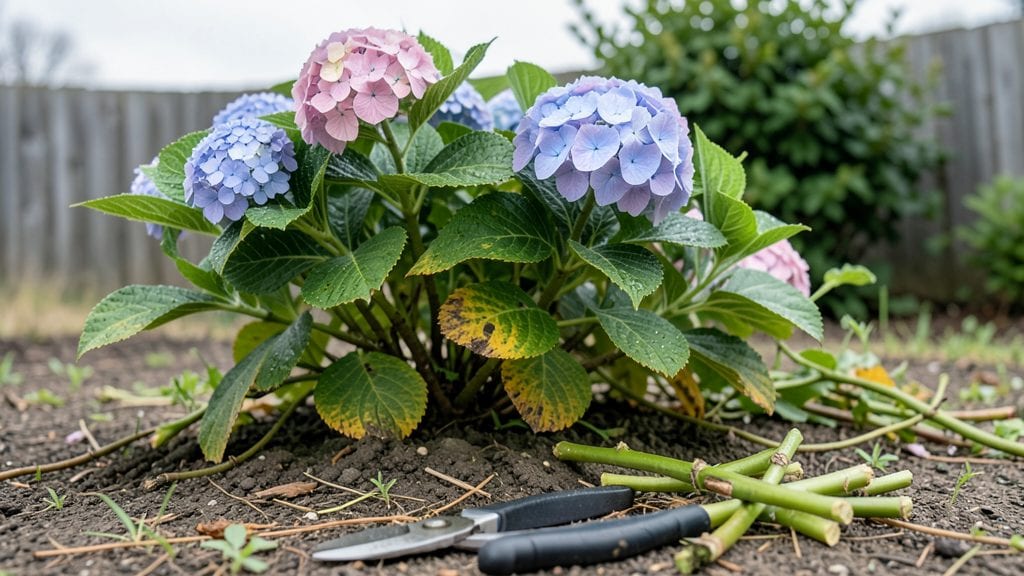
Pruning flower bushes the right way means more blooms and stronger plants—here’s how to do it without guesswork. I’ve spent years watching bushes either explode with flowers or become tangled messes, and the difference always comes down to timing and technique.
The key is knowing when to cut and what to look for in each type of shrub, from roses to hydrangeas.
You’ll need just three basic tools: sharp pruners for clean cuts, loppers for thicker branches, and gloves to protect your hands. Timing matters most—spring and summer are for shaping, while late winter is for heavy pruning.
Most gardeners mess up by cutting too late in the season or ignoring the plant’s natural growth patterns, but once you get the rhythm, it becomes second nature.
The payoff is immediate: properly pruned bushes produce 20-30% more flowers the following season and stay compact enough to fit your space. You’ll see new growth within weeks, and the plants will look fuller than ever.
Think of it like giving your bushes a fresh start every year—just with a pair of shears.
This works for all flowering shrubs, whether you’re dealing with roses, lilacs, or hydrangeas. The principles stay the same, but the details adjust based on the plant. Let’s get into the specifics so you can prune with confidence.
📚 In This Guide
- What you need
- Instructions
- Tips and common mistakes
- Wrapping up and next steps
What you need
- ● Bypass pruners: Sharp, high-quality pruners (like Felco or Fiskars) for clean cuts on small stems. Size: 6-8 inches, with ergonomic grips.
- ● Loppers: For thicker branches (up to 2 inches in diameter). Look for: Bypass blades and a sturdy, 18-24 inch handle.
- ● Pruning saw: For stubborn, woody stems (2+ inches thick). Type: Curved blade for precision.
- ● Garden gloves: Heavy-duty, cut-resistant gloves (like Mechanix or Wolverine) to protect your hands.
- ● Disinfectant: 70% isopropyl alcohol or a 10% bleach solution to sterilize tools between cuts (prevents disease spread).
- ● Hand pruners with a crimping tool: For sealing larger cuts (reduces sap oozing).
- ● Pole pruner: For high branches (extendable up to 10 feet).
- ● Pruning sealant: For sealing cuts on bleeding plants (like maples or birches—though most flowers don’t need this!).
- ● Rake or broom: To clear debris after pruning.
- ● Marking twine or flags: If you’re doing major structural pruning and need to track cuts.
- ● Research your plants: Know your flower bush’s type (e.g., hydrangea, rose, lilac) and its pruning needs—some bloom on old wood, others on new!
- ● Check the weather: Prune on a dry, calm day (rain or wind can stress plants and spread disease).
- ● Gather a bucket or tarp: For collecting clippings (compost them later!).
- ● Wear long sleeves/pants: To protect against thorns, sap, or scratches.
Step-by-step instructions for pruning flower bushes
Here's the method I've used to keep my flower bushes blooming abundantly for over a decade.
Identify the Right Time for Your Bush Type
Timing is everything when pruning flower bushes. Spring-flowering varieties like lilacs and azaleas bloom on last year's growth, so prune them immediately after they finish flowering. Summer-bloomers like hydrangeas and roses, however, produce flowers on new growth and can be pruned in early spring or late winter.
I always check the bush's blooming cycle first—if it's already budding, wait until after it flowers. For example, if your bush is covered in buds in early spring, hold off until those flowers fade completely. This ensures you don't accidentally cut off next year's blooms.
Gather Your Tools and Prepare the Workspace
You'll need sharp, clean pruning shears for small branches and loppers for thicker stems. Disinfect your tools with rubbing alcohol to prevent spreading disease between cuts. I also lay down a tarp or old blanket below the bush to collect debris and make cleanup easier.
Wear gloves to protect your hands from thorns or rough branches. Clear away any dead leaves or debris from the base of the bush—this helps you spot hidden problems like pests or disease. A sunny, dry day is ideal for pruning, as it reduces stress on the plant and speeds up healing.
Remove Dead, Diseased, or Weak Growth
Start by cutting out any branches that are dead, diseased, or crossing each other. Look for branches that are brown, brittle, or hollow—these won't recover and should be removed at the base. If you see signs of disease like black spots or mold, prune those branches first and dispose of them in the trash, not the compost.
Next, trim back any weak or leggy growth that's growing inward toward the center of the bush. This opens up the plant to better airflow and sunlight, which encourages stronger, healthier growth. I like to step back every few cuts to visualize the shape—I'm aiming for an open, airy structure, not a dense, crowded mess.
Shape the Bush for Balance and Airflow
Now it's time to shape the bush. For most flowering shrubs, I aim for a rounded or slightly vase-like shape, which allows sunlight to penetrate to the center. Start by cutting back the longest branches first, making your cuts just above a leaf node or outward-facing bud. This encourages new growth in the right direction.
If your bush is overgrown, avoid cutting back more than one-third of its total volume in a single season. This prevents shock and gives the plant time to recover. For example, if your bush is 6 feet tall, don’t prune it back to 2 feet all at once—space it out over a few years if needed.
Finish with a Light Cleanup and Aftercare
After pruning, rake up the debris and dispose of it properly. Avoid leaving large clippings on the ground, as they can harbor pests or diseases. If your bush is particularly large, you might want to mulch around the base with 2-3 inches of organic mulch to retain moisture and suppress weeds.
Water the bush deeply after pruning to help it recover. Avoid fertilizing right away—wait until new growth appears, usually in 4-6 weeks. This gives the plant time to focus on healing before pushing out new leaves or flowers. Keep an eye on the bush in the coming weeks for any signs of stress, like wilting or yellowing leaves, and adjust your care accordingly.
Tips & tricks for pruning flower bushes
These little details make all the difference between a bush that thrives and one that struggles to recover. I've pruned hundreds of bushes over the years, and these are the insights I wish I'd known from the start.
The Timing Secret: When pruning spring-flowering bushes like lilacs, I can't stress enough how important it is to wait until after they've finished blooming. I've made the mistake of pruning too early and lost entire seasons of flowers. Look for the buds to open, then wait until those flowers have completely faded and dropped before you touch your shears. For summer-bloomers, early spring is your window—don't wait until summer when the plant is already putting energy into new growth.
Tool Technique: Your pruning shears should be sharp enough to make clean cuts without crushing the stems. I learned this the hard way after using dull shears that tore the bark, leaving wounds that took months to heal. Before you start, sharpen your tools or use a file to maintain their edge. Also, always make cuts at a 45-degree angle just above a leaf node or outward-facing bud—this encourages new growth in the right direction and prevents water from pooling on the cut, which can cause rot.
Visual Pruning: Step back every few minutes to assess your progress. I find it helps to take a photo before starting so I can see the original shape. Aim for an open, airy structure that allows sunlight to reach the center. If you're unsure about a cut, ask yourself: "Will this improve airflow and light penetration?" If not, leave it. Remember, you can always prune more next year, but you can't un-cut what you've already removed.
Recovery Strategy: After pruning, focus on helping your bush recover. I always water deeply right after pruning to reduce stress, then wait 4-6 weeks before fertilizing. This gives the plant time to heal and establish new growth before pushing out flowers. If you notice yellowing leaves or wilting, it might be a sign of over-pruning—don't panic, but be patient and give it time to bounce back.
Pro Tips for Prune Flower Bushes
- These little details make all the difference between a bush that thrives and one that struggles to recover.
- The Timing Secret: When pruning spring-flowering bushes like lilacs, I can't stress enough how important it is to wait until after they've finished blooming.
- Tool Technique: Your pruning shears should be sharp enough to make clean cuts without crushing the stems.
Frequently asked questions
Got questions about pruning flower bushes? You’re not alone! Here are answers to the most common concerns—so you can confidently tackle your garden like a pro.
When is the best time to prune flower bushes?
The ideal timing depends on your plant type:
- Spring-bloomers (e.g., lilacs, rhododendrons): Prune right after flowering—never in fall or winter, as they set next year’s buds in late summer.
- Summer/fall-bloomers (e.g., roses, hydrangeas): Prune in late winter or early spring (before new growth starts) to avoid cutting off potential blooms.
- Evergreens (e.g., boxwoods): Light pruning in early spring or after flowering; avoid heavy cuts in fall.
Do I need to sterilize my pruners between cuts?
Yes!
Sterilizing tools prevents the spread of bacterial or fungal diseases (like powdery mildew or fire blight). Wipe blades with rubbing alcohol (70%+) or a 10% bleach solution between cuts—especially if pruning diseased plants.
What if I prune at the wrong time?
Mistakes happen! If you prune too late (e.g., cutting back spring bloomers in summer), you might lose next year’s flowers. For summer-flowering bushes, a little late pruning is better than none—just focus on shaping and removing dead wood. Most healthy bushes bounce back with patience!
Can I prune flower bushes in winter?
It’s not recommended for most flowering shrubs, as dormant plants are more vulnerable to disease and cold stress. However, you can do light cleanup (removing dead or broken branches) in mild winter days—just avoid heavy pruning. Evergreens are the exception; prune them in late winter before new growth starts.
How do I prune a bush that’s overgrown or woody?
Don’t panic! Tackle it in stages over 2–3 years to avoid shocking the plant. Start by:
- Removing dead, diseased, or crossing branches first.
- Thinning out old wood (look for thick, dark stems) to encourage new growth.
- Shaping the outer edges last, leaving some inner branches for airflow.
Wrapping up and next steps
Pruning your flower bushes doesn’t have to be intimidating—it’s all about timing, technique, and a little love! 🌸 By following seasonal guidelines and the right tools, you’ll encourage lush growth, vibrant blooms, and a healthier plant. Whether you’re trimming for shape, health, or more flowers, confidence comes with practice.
Ready to level up your gardening game? Start small—pick one bush and give it a fresh cut this weekend. Before you know it, your garden will be the talk of the neighborhood! 🌿✨