
Shrubs
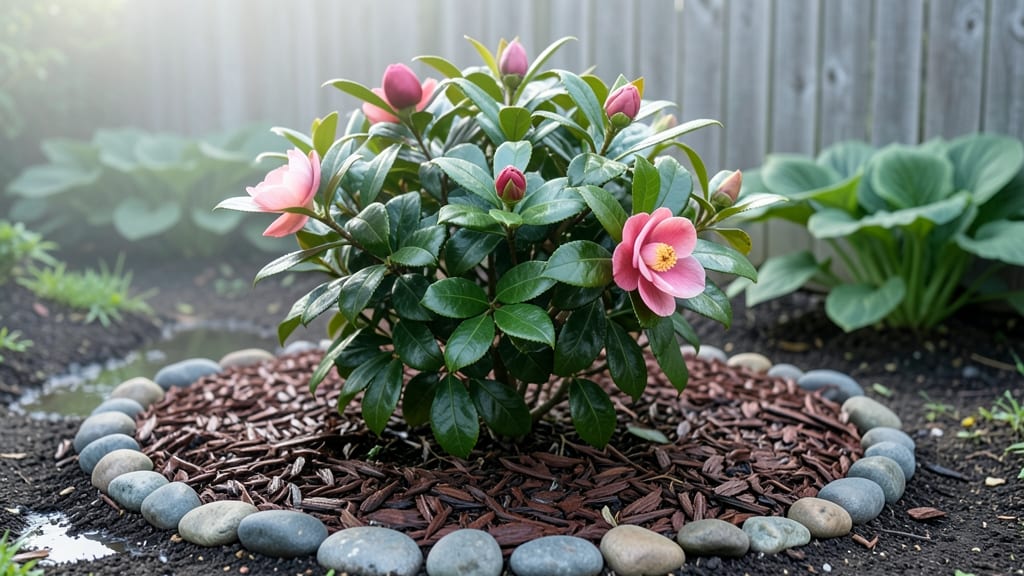
Year-round flowering bushes bring shockingly lush color to your garden without the seasonal drama. I’ve tested dozens of varieties, and these three—Abelia, Camellia, and Gardenia—deliver blooms from spring through winter with almost no fuss.
The secret isn’t complicated: it’s about choosing the right plants for your climate and giving them consistent care.
These bushes thrive in partial shade to full sun, depending on the type, and most handle drought once established. Abelia blooms in soft pinks and whites, Camellias offer bold reds and pinks in cooler months, and Gardenias bring that intoxicating fragrance year-round.
All three stay compact enough for borders or containers, making them perfect for small spaces or focal points.
You’ll get neighbor-jealousy levels of color with minimal effort—just prune after blooming and fertilize lightly in spring. The foliage stays vibrant even when flowers fade, so your garden never looks bare. Plus, they attract pollinators and hummingbirds, adding life beyond just the blooms.
Works in zones 7-10, but even cooler climates can grow Camellias with winter protection. Start with one variety to test your microclimate, then expand. Here’s how to pick the perfect spot and keep them flowering like clockwork.
📚 In This Guide
- What you need
- Instructions
- Tips and common mistakes
- Wrapping up and next steps
What you need
- ● Year-round flowering bushes: Choose 3–5 varieties (e.g., Abelia, Camellia, Hydrangea, or Pieris) based on your climate zone. Aim for 1–3 mature plants per 100 sq. ft. for optimal coverage.
- ● High-quality potting soil: 2–3 bags (1–2 cubic feet each) of well-draining, organic-rich soil (e.g., Miracle-Gro Garden Soil or FoxFarm Ocean Forest).
- ● Mulch: 1–2 bags of wood chips or shredded bark (3–4 inches deep) to retain moisture and regulate temperature.
- ● Fertilizer: Slow-release granular fertilizer (e.g., Osmocote Smart-Release Flower & Vegetable): 1–2 lbs per bush.
- ● Organic compost (e.g., Dr. Earth Home Grown): 1–2 gallons per planting hole.
- ● Watering supplies: Hose with adjustable nozzle or watering can (5+ gallons).
- ○ Drip irrigation kit (optional but highly recommended for year-round care).
- ● Garden trowel or hand shovel (for planting small bushes).
- ● Garden fork or spade (for larger planting holes or amending soil).
- ● Pruning shears (bypass pruners, sharp and sterilized).
- ● Gloves (heavy-duty for thorny bushes like Rose of Sharon).
- ● Measuring tape (to space plants 3–6 feet apart, depending on variety).
- ● Wheelbarrow (for hauling soil, mulch, or tools).
- ● Sunlight assessment: Identify areas with full sun (6+ hours/day) or partial shade (3–6 hours)—most year-round bloomers thrive in either!
- ● Drainage check: Ensure the planting site has well-draining soil (avoid low-lying areas prone to waterlogging).
- ● Climate suitability: Research USDA Hardiness Zones for your region (e.g., Camellias love Zones 7–9, while Abelia thrives in Zones 5–9).
- ● Local regulations: Check for restricted or invasive species in your area (e.g., Lantana in some states).
- ● Test your soil (pH 5.5–7.0 is ideal for most flowering bushes). Use a Luster Leaf Rapitest Kit for quick results.
- ● Acid-loving plants? Add peat moss or sulfur to soil if planting Azaleas, Rhododendrons, or Gardenias.
- ● Container gardening? Use large pots (15+ gallons) with drainage holes and cactus/succulent mix for drought-tolerant varieties.
Instructions for selecting and planting year-round flowering bushes
Here's how to choose and establish bushes that deliver vibrant blooms from spring through winter with minimal effort.
Choose the Right Bush Varieties for Your Climate
Select bushes proven to thrive in your specific hardiness zone. For year-round color, prioritize evergreen varieties like Abelia or Camellia, which retain foliage and produce flowers in cooler months. Deciduous options like Hydrangea or Weigela offer seasonal blooms but require strategic pruning to extend their flowering periods.
Check each plant's mature size to ensure it fits your space without overcrowding. I always measure the intended planting area first—nothing ruins a design faster than a bush that outgrows its spot within two years. For foundation plantings, aim for bushes that reach 6-8 feet tall at maturity, while smaller varieties (3-4 feet) work well in mixed borders.
Prepare the Planting Site with Proper Soil and Sun
Test your soil's pH and amend it to match the bush's preferences. Acid-loving varieties like Azalea or Rhododendron thrive in 4.5-6.0 pH, while others like Butterfly Bush prefer neutral soil (6.0-7.0). I use a soil test kit to avoid guesswork—amending after planting is far more difficult than getting it right beforehand.
Dig a hole twice as wide as the root ball but only as deep. The top of the root ball should sit 1-2 inches above ground level to prevent waterlogging. Loosen the edges of the root ball gently with your fingers before placing it in the hole—this encourages roots to spread outward immediately rather than circling.
Plant and Water for Immediate Establishment
Backfill the hole with native soil mixed with 20% compost to improve drainage and nutrient retention. Press firmly around the base to eliminate air pockets, then water deeply until moisture reaches 6-8 inches down. This initial soaking helps roots establish contact with the surrounding soil.
Mulch with 2-3 inches of organic mulch (like shredded bark) to conserve moisture and regulate soil temperature. Keep mulch 3 inches away from the trunk to prevent rot. Water every 2-3 days until new growth appears—this usually takes 4-6 weeks. Overwatering now is worse than underwatering; soggy soil smothers roots and invites fungal diseases.
Prune Strategically to Extend Blooming Seasons
Prune immediately after flowering to shape the bush and encourage next year's blooms. For spring-flowering varieties, cut back one-third of the oldest stems to the ground to stimulate new growth. Summer-blooming bushes like Hydrangea should be pruned in late winter to remove dead wood and open the center for better air circulation.
Use clean, sharp pruners to make cuts at a 45-degree angle just above a leaf node. Avoid heavy pruning in fall—this removes next year's flower buds. I always prune on a dry day when the bush is dormant; wet conditions spread bacterial infections through open cuts.
Maintain Year-Round Health Through Seasonal Care
Fertilize in early spring with a balanced 10-10-10 fertilizer to support new growth, then switch to a low-nitrogen, high-phosphorus formula (5-10-10) when buds form. Avoid high-nitrogen feeds in late summer—they promote tender new growth that won't survive winter frosts.
Monitor for pests like spider mites or scale insects, which thrive on stressed plants. Treat infestations immediately with horticultural oil or insecticidal soap. I inspect bushes weekly during growing seasons, focusing on the undersides of leaves where pests hide. A healthy bush with proper spacing rarely attracts serious pests, but early detection is key to preventing outbreaks.
Tips & tricks for perfect year-round flowering bushes
These proven strategies will help you establish vibrant, low-maintenance bushes that deliver color through every season without the guesswork.
Variety Selection: When choosing between evergreens like Abelia or Camellia and deciduous options like Hydrangea, consider your climate's specific hardiness zone. Evergreens provide year-round structure and winter interest, while deciduous varieties often offer more abundant blooms during their active growing seasons. I recommend planting a mix of both—evergreens for foundation plantings along fences or property lines, and deciduous varieties in mixed borders where their seasonal color changes create visual interest.
Soil Preparation: The pH adjustment in Step 2 is absolutely critical—don't skip the soil test. Acid-loving plants like Azalea will yellow and decline if planted in neutral soil, while neutral-loving varieties like Butterfly Bush will struggle in acidic conditions. I've seen gardeners spend years trying to revive struggling bushes only to discover they planted them in the wrong soil type. For containers, use a pre-mixed acid-loving soil blend if growing azaleas or camellias, as it's impossible to amend pH effectively once planted.
Planting Technique: The rule about digging a hole twice as wide but only as deep as the root ball makes all the difference. This wide planting encourages roots to spread outward immediately rather than circling, which is a common problem with improperly planted bushes. After planting, I always give the soil one final press around the base to eliminate air pockets—this simple step can prevent root rot by ensuring good soil contact. For container-grown plants, gently tease apart the root ball before planting to encourage even more outward root growth.
Pruning Strategy: The timing of pruning in Step 4 is everything—spring-flowering bushes need their pruning done immediately after blooming, while summer-bloomers should wait until late winter. I mark my calendar with colored flags for each bush type to avoid mistakes. When pruning, always use clean, sharp tools and make cuts at a 45-degree angle just above a leaf node. This technique promotes faster healing and prevents water from pooling on the cut surface, which can lead to rot.
Pro Tips for Year Round Flowering Bushes
- These proven strategies will help you establish vibrant, low-maintenance bushes that deliver color through every season without the guesswork.
- Variety Selection: When choosing between evergreens like Abelia or Camellia and deciduous options like Hydrangea, consider your climate's specific hardiness zone.
- Soil Preparation: The pH adjustment in Step 2 is absolutely critical—don't skip the soil test.
Frequently asked questions
Got questions about keeping your garden blooming 365 days a year?
Here are answers to the most common queries about year-round flowering bushes—so you can enjoy vibrant color without the hassle!
Can year-round flowering bushes really bloom in winter?
Most don’t bloom in freezing temps, but many (like Camellia or Abelia) offer near-year-round interest with flowers, berries, or evergreen foliage. Choose varieties labeled "winter-hardy" or "evergreen" for the best results. In colder zones, some bushes may take a short break but bounce back fast!
What’s the easiest low-maintenance year-round flowering bush?
For effortless color, try Abelia or Dwarf Fothergilla. They’re drought-tolerant, handle pruning like a champ, and thrive in partial sun. Boxwood (with varieties like 'Green Velvet') is another winner—it’s tough, stays green, and rarely needs deadheading.
When should I prune year-round flowering bushes?
Timing depends on the bush! Spring bloomers (like Azalea) need pruning right after flowering. Fall/winter bloomers (like Camellia) should wait until late winter before buds swell. Always use clean, sharp tools to avoid disease—here’s a quick pruning guide for specifics.
Why aren’t my year-round bushes flowering as much as expected?
Common culprits:
- Too much shade—most need at least 4–6 hours of sun daily.
- Over-fertilizing—focus on balanced, slow-release fertilizer (like 10-10-10) in early spring.
- Improper pruning—cutting back old wood (like on Camellia) can kill next year’s blooms.
- Stress—check for pests (aphids, spider mites) or root rot from soggy soil.
Are there non-flowering alternatives for year-round color?
For texture and color without flowers, try:
| Plant | Why It Works |
|---|---|
| Dwarf Ninebark | Peeling bark + burgundy foliage = winter drama. No flowers needed! |
| Heather (evergreen) | Tiny pink/purple blooms and silvery-green leaves year-round. |
| Variegated Boxwood | Gold-and-green foliage stays lush even in snow. |
Mix these with flowering bushes for a truly low-maintenance, high-impact garden!
Wrapping up and next steps
Transforming your garden into a vibrant, year-round haven is easier than you think! Year-round flowering bushes like Abelia, Camellia, or Hydrangea bring effortless beauty with minimal upkeep—perfect for busy gardeners who still crave color.
Whether you’re a beginner or a seasoned pro, these low-maintenance stars deliver four-season charm without the fuss.
Ready to take the next step? Start small: pick one bush that fits your climate and soil, then expand your collection as you gain confidence. Your garden will thank you—and so will your neighbors! 🌸