
Shrubs
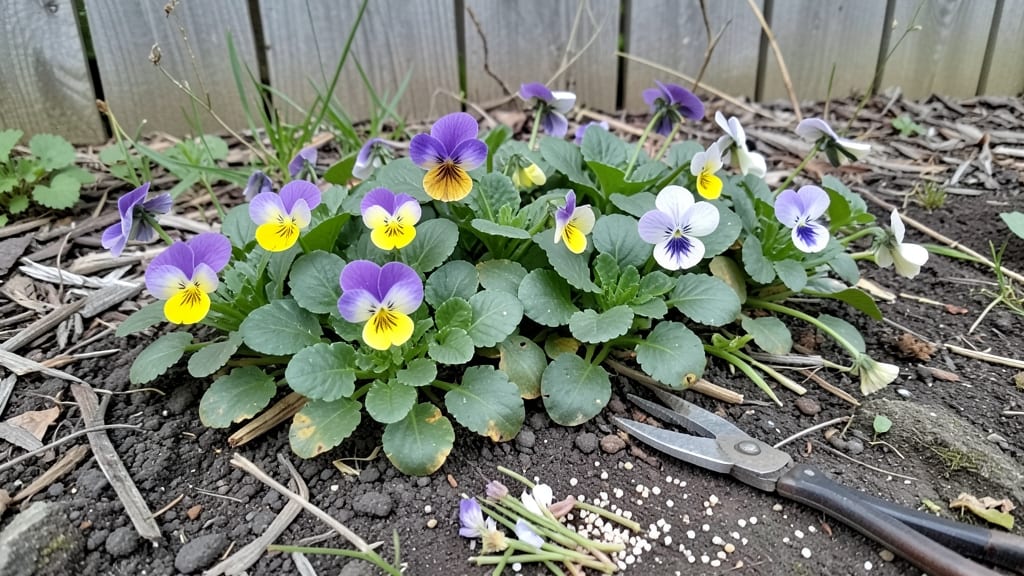
Keeping pansies flowering all season turns out to be a simple trick—deadheading spent blooms every few days forces new flowers to bloom faster than you can say "spring color."
I've kept my pansies looking like a living postcard from March through May, and the secret isn't complicated: just snip off the faded flowers before they set seed. The difference between a patchy display and a nonstop show comes down to this one habit, plus a few other easy adjustments.
You'll need sharp scissors or your fingers (yes, really—pansies are tough), a sunny spot with at least 6 hours of light, and a light touch with fertilizer. Overwatering is the real enemy here: soggy soil leads to rot, not more blooms.
I've seen pansies go from leggy and sparse to bursting with color in just two weeks after fixing these basics. The key is consistency—check your plants every 3-4 days and remove those old blooms before they turn brown.
What you end up with is a carpet of vibrant blooms that outlasts any store-bought bouquet. The flowers stay fresh-looking, the plants stay compact, and you avoid the sad sight of half-dead blooms clinging to the stems.
Even my black thumb can't mess this up—once you get the rhythm, it becomes second nature. The best part? Your pansies will reward you with weeks of continuous color, making them the easiest annual to grow.
This works for both in-ground beds and containers, and the same rules apply whether you're in Zone 5 or Zone 8. Just adjust watering for your climate—dry areas need more frequent checks, while rainy seasons mean you'll need to pull back on the watering can.
Here's how to keep those blooms coming all season long.
📚 In This Guide
- What you need
- Instructions
- Tips and common mistakes
- Wrapping up and next steps
What you need
- ● Pansies: Healthy, established plants (choose cold-hardy varieties like Viola × wittrockiana for best results).
- ● Pruning shears or clean scissors: Sharp, sterilized tools to avoid spreading disease. (Avoid fingers—snipping close to the base prevents damage!)
- ○ Gloves (optional): Protect your hands from thorns or soil if needed.
- ● Compost or mulch: 1–2 inches to retain moisture and nourish roots.
- ● Balanced fertilizer (5-10-5 or 10-10-10): Apply every 4–6 weeks for continuous blooms.
- ● Watering can or hose with a gentle spray nozzle: Keep soil consistently moist but not soggy.
- ● Garden trowel: For lightly turning soil or planting new pansies if thinning is needed.
- ○ Garden twine or stakes (optional): If pansies flop in heat or rain, provide light support.
- ○ Disease-resistant spray (optional): Copper fungicide for powdery mildew prevention in humid climates.
- ● Sunlight: 4–6 hours of morning sun (afternoon shade in hot climates).
- ● Well-draining soil: Amend with compost if your soil is heavy or clay-like.
- ● Consistent care schedule: Deadhead weekly and fertilize regularly for best results.
Step-by-Step instructions for keeping pansies flowering all season
Here’s how to transform your pansies from one-time bloomers into a nonstop floral display.
Deadhead Regularly to Encourage New Blooms
Start by pinching off spent flowers at the base where the stem meets the plant. I do this first thing in the morning when blooms are still fresh—it’s easier to spot faded ones before the heat sets in. Use clean fingers or small pruners to avoid damaging new buds. The key is consistency: check your pansies every 2-3 days during peak bloom, and you’ll see fresh flowers appear within 5-7 days.
Don’t wait until the entire bloom wilts—remove it as soon as petals start yellowing or browning. This prevents the plant from wasting energy on seed production. If you notice a stem with multiple blooms, snip just above the lowest open flower to leave room for new growth. Over time, you’ll train your eye to spot the perfect moment for deadheading.
Provide Consistent Moisture Without Overwatering
Pansies thrive with 1 inch of water per week, but they hate soggy roots. Water deeply in the morning so the soil has time to dry slightly before evening. I use a soaker hose or watering can with a gentle spray to avoid disturbing the soil around the roots. Let the top 1-2 inches of soil dry out between waterings—this prevents root rot while keeping the plants hydrated.
If your pansies start dropping buds before they open, you’re either underwatering or overwatering. Check the soil with your finger: if it’s dry ½ inch down, it’s time to water. Mulch around the base with 1-2 inches of organic mulch (like shredded bark) to retain moisture and keep roots cool. This simple step can double your blooming time in hot weather.
Fertilize Lightly Every 3-4 Weeks for Strong Growth
Use a balanced, water-soluble fertilizer (like 10-10-10) diluted to half strength every 3-4 weeks starting when you first plant them. I mix it into my watering can and apply it in the morning to avoid leaf burn. Avoid high-nitrogen fertilizers—they encourage leafy growth at the expense of flowers. Instead, look for a formula with slightly more phosphorus (the middle number) to promote blooming.
Stop fertilizing 6-8 weeks before your first expected frost—this helps pansies harden off for winter. If you notice yellowing leaves after fertilizing, you’re overdoing it. Flush the soil with plain water to leach out excess salts, and reduce fertilizer to every 6-8 weeks for the rest of the season. Healthy foliage supports more flowers, but don’t sacrifice blooms for lush leaves.
Protect From Extreme Heat and Pests
Pansies bolt (go to seed) when temperatures climb above 85°F. To prevent this, provide afternoon shade with a lightweight shade cloth (30-50% coverage) during heatwaves. I also mist the leaves lightly in the afternoon to cool them down—just enough to see water droplets without soaking the soil. If your pansies wilt in the heat, move them to a shadier spot immediately and water deeply at the base.
Watch for aphids or spider mites, which love pansy leaves. I spray affected plants with a soapy water solution (1 tablespoon mild dish soap per gallon of water) in the early morning. For severe infestations, repeat every 3-4 days until pests disappear. Strong, healthy pansies bounce back faster, so deadheading and fertilizing correctly makes them less vulnerable to pests.
Plan for Seasonal Transitions
In fall, pansies often rebound beautifully if given a little care. After the first frost, trim back any damaged foliage and reduce watering slightly. They’ll stay dormant but alive, ready to burst into bloom again in spring. In spring, remove old growth and fertilize lightly to encourage new shoots. I’ve had pansies last 3-4 seasons with this approach—far longer than the typical one-season lifespan.
If your pansies look tired by late summer, consider replanting them in fresh soil with a slow-release fertilizer. Sometimes, a simple refresh is all they need to put on a second show. The goal is to keep them happy year-round, not just during their first flush of blooms. With these steps, your pansies will reward you with color from early spring through frost.
Tips & tricks for keeping pansies flowering all season
A few simple strategies will help you extend your pansies' blooming season and keep them looking their best.
Timing is Everything: When deadheading in Step 1, focus on removing faded flowers as soon as you notice them yellowing or browning. This prevents the plant from expending energy on seed production. I've found that checking pansies every 2-3 days during peak bloom leads to fresh flowers appearing within 5-7 days. The earlier you remove spent blooms, the sooner the plant will redirect its energy to producing new ones.
Soil Moisture Balance: In Step 2, maintaining the right moisture level is crucial. While pansies need about 1 inch of water per week, it's important to let the top 1-2 inches of soil dry out between waterings. I've learned that watering deeply in the morning helps prevent fungal issues that can occur with evening watering. Using a soaker hose or gentle spray keeps the soil evenly moist without disturbing the roots.
Fertilizer Strategy: The key to successful fertilization in Step 3 is consistency and balance. Using a 10-10-10 fertilizer diluted to half strength every 3-4 weeks promotes healthy growth without encouraging excessive leaf production. I've noticed that stopping fertilization 6-8 weeks before your first frost helps pansies prepare for winter dormancy. If you see yellowing leaves, it's a sign you're over-fertilizing—flush the soil with plain water to correct this.
Heat Protection: When temperatures rise above 85°F as mentioned in Step 4, pansies can become stressed. Providing afternoon shade with lightweight shade cloth (30-50% coverage) during heatwaves makes a significant difference. I've found that misting leaves lightly in the afternoon helps cool them down without oversaturating the soil. This simple step can prevent bolting and extend your blooming season.
Pro Tips for Keep Pansies Flowering
- A few simple strategies will help you extend your pansies' blooming season and keep them looking their best.
- Timing is Everything: When deadheading in Step 1, focus on removing faded flowers as soon as you notice them yellowing or browning.
- Soil Moisture Balance: In Step 2, maintaining the right moisture level is crucial.
Frequently asked questions
Got questions about keeping your pansies blooming like a pro? Here are some of the most common concerns—and quick answers to keep those cheerful faces popping all season long!
Why aren’t my pansies flowering as much as they used to?
Pansies often slow down blooming in extreme heat (above 80°F) or if they’re overcrowded. They also need 6+ hours of sunlight daily—if they’re shaded too much, they’ll focus on leaves instead of flowers. Check their growing conditions and give them a little TLC!
How often should I deadhead pansies to encourage more blooms?
Deadhead spent blooms every 2–3 days during peak flowering (spring/fall) to redirect energy into new buds. In summer, cut back 1/3 of the plant to revive growth. Use clean shears and remove flowers at the base—no stems left behind!
Do pansies need special care during rain or humidity?
Pansies love moisture but hate soggy soil or fungal diseases in humidity. Water at the base (avoid leaves) and ensure pots/containers have drainage holes. If leaves yellow or spots appear, space plants 6–12 inches apart for airflow and treat with neem oil if needed.
Can I keep pansies blooming all year, or are they seasonal?
Pansies thrive in cool seasons (spring/fall) but may struggle in summer heat. For year-round blooms, grow them in partial shade (like under trees) or opt for violas (their hardier cousins). In warm climates, plant them in shaded containers with consistent moisture.
What’s the best way to revive leggy or overgrown pansies?
If your pansies look tired and stretched, give them a haircut! Trim the entire plant by 1/3 to encourage bushier growth. Pinch back new growth tips to 5–6 inches tall, and fertilize lightly with a balanced 10-10-10 mix. They’ll bounce back in 2–3 weeks!
Are there any natural alternatives to chemical fertilizers for pansies?
Use compost tea (1:10 ratio) every 2 weeks or feed them with fish emulsion for a nitrogen boost. Coffee grounds (dried) add nitrogen, while egg shells (crushed) provide calcium. Just avoid overdoing it—pansies prefer light, consistent feeding over heavy doses.
Wrapping up and next steps
Keeping pansies blooming isn’t just possible—it’s easy with a little care and consistency! 🌸 Just remember to deadhead regularly, provide balanced sunlight and water, and feed them with the right nutrients. Your garden will reward you with vibrant, long-lasting blooms that turn heads all season.
Now that you’re armed with these tips, grab those shears and get pruning! Start small—pick a sunny spot, tend to your pansies, and watch your garden transform into a colorful masterpiece. Happy gardening! 🌿