
Orchid Care
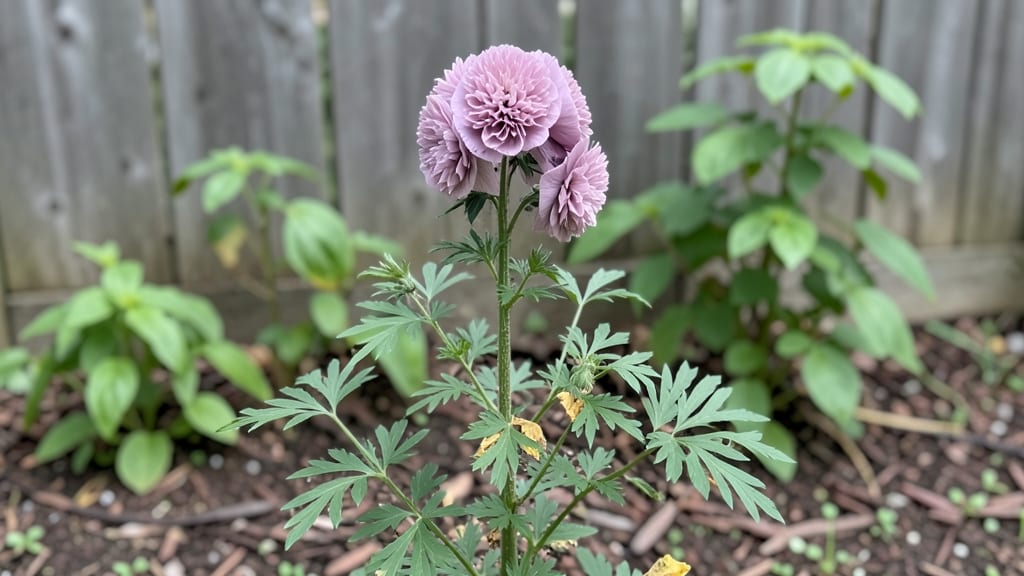
Growing a double flowered columbine 🌸 means turning your garden into a living watercolor painting—if you know the tricks.
If your columbine blooms are small and sparse, you’re missing the secret to transforming them into lush, double-flowered showstoppers that steal every garden’s attention. These delicate yet dramatic flowers thrive with the right care—and we’ll show you exactly how.
The key starts with partial shade and well-drained soil in USDA Zone 6a, but it’s the timing of deadheading and a light spring feed that unlocks those extra layers of petals. Skip these steps, and you’ll end up with single blooms instead of the showstopping clusters you’re dreaming of.
In this guide, I’ll walk you through selecting the best varieties, mastering the care routine, and troubleshooting when your columbine plays hard to get. By the end, your garden will be the talk of the neighborhood—and your neighbors will be asking for cuttings.
How to identify and select double flowered columbine varieties for maximum impact
Double-flowered columbines (Aquilegia) are the showstoppers of cottage gardens, boasting layers of petals that create a romantic, lush appearance. But not all columbines are double-flowered—many gardeners unknowingly grow single-bloom varieties that lack that dramatic flair.
The key to transforming your garden lies in selecting the right cultivar and learning how to spot true double-flowered plants at nurseries or seed catalogs.
True double-flowered columbines have multiple layers of petals that create a ruffled, almost peony-like appearance. Single blooms, by contrast, feature just one layer of petals with prominent spurs.
This distinction matters because double-flowered varieties often require slightly different care to maintain their excessive blooms—and some revert to single blooms if not deadheaded correctly.
To ensure you’re getting the right variety, focus on these visual cues when shopping: look for blooms with overlapping petals and a denser center. Avoid plants with long, exposed stamens, a telltale sign of single flowers.
Even experienced gardeners can be tricked by misleading labels, so always examine the blooms before purchasing.
Here’s how to differentiate between single and double-flowered columbines at a glance, along with top varieties that guarantee maximum impact in your garden:
<comparison-table>| Variety | Flower Type | Petal Layers | Color Palette | Height (ft) | Best For |
|---|---|---|---|---|---|
| 'Queen of Hearts' | Double | 3+ layers | Crimson, white | 1.5-2 | Cut flowers, containers |
| 'Blue Bird' | Double | 3+ layers | Sky blue, white | 1.5-2 | Shade gardens, borders |
| 'McKana's Giant' | Semi-double | 2 layers | Deep pink | 2-3 | Tall borders, cottage gardens |
| 'Black Barlow' | Single | 1 layer | Dark purple-black | 2-3 | Dramatic contrast |
| 'Nancy' | Double | 3+ layers | White, yellow | 1.5-2 | Pollinator gardens |
| 'Songbird Series' | Double | 3+ layers | Multi-color mixes | 1-2 | Mass planting, borders |
When sourcing double-flowered columbines, prioritize reputable seed companies like Ranunculus or Burpee, which guarantee true double blooms. Avoid seed mixes labeled as "columbine" unless they specify double-flowered varieties. For transplants, inspect plants in full bloom—nursery tags can be misleading, so trust your eyes over the label.
Pro tip: Ask for 'double' or 'semi-double' varieties by name when ordering seeds or transplants. Some nurseries carry hybrid double-flowered columbines like 'Songbird Mix', which offer vibrant colors and extended blooming seasons. These hybrids are bred to maintain their double-petal structure more reliably than heirloom varieties.
If you’re growing from seed, know that double-flowered traits aren’t always consistent—some seedlings may revert to single blooms. To maximize your chances, start with named double-flowered varieties and deadhead spent blooms immediately to encourage more double flowers the following season.
For guaranteed results, consider buying established transplants from specialty nurseries that focus on ornamental columbines. These plants are often already blooming, so you can verify the double-flowered structure before committing.
Look for healthy foliage and buds ready to open—these are signs of a vigorous, high-quality plant.
Once you’ve selected your double-flowered varieties, plant them in well-draining soil with partial shade to prevent wilting. Mulch around the base to retain moisture and protect roots during hot summers.
With the right variety and care, your columbines will reward you with showstopping blooms that turn heads all season long.
🌸
Proven techniques to encourage larger, double blooms every season
Double flowered columbine (Aquilegia) dazzles with its layered, ruffled petals—but achieving those showstopping blooms requires precision in care. The key lies in mimicking their natural habitat while avoiding common pitfalls like over-fertilizing or deadheading too late.
I’ve grown these beauties for years, and these techniques consistently deliver larger, longer-lasting blooms season after season.
Start with the foundation: soil pH between 6.0 and 7.5 is non-negotiable. Columbine roots thrive in slightly acidic to neutral conditions, and a simple soil test (available at garden centers) will reveal if your soil needs lime to raise pH or sulfur to lower it.
Amend your beds with composted leaf mold for organic matter that retains moisture without suffocating roots.
Next, master the sunlight balance. While these flowers tolerate partial shade, they reward 4–6 hours of morning sun with the most vibrant blooms. Afternoon shade protects their delicate petals from scorching, especially in USDA zones 7–9.
In hotter climates, dappled shade under trees works beautifully—just avoid dense shade, which weakens flowering.
🌸 Double Bloom Secrets
- Soil: pH 6.0–7.5, amended with compost
- Sun: 4–6 hours morning sun, afternoon shade
- Water: 1 inch weekly, morning sessions only
- Prune: Deadhead spent blooms but leave seed heads for self-seeding
✅ Pro Tip: Mulch with pine needles to acidify soil naturally and deter weeds.
Watering is where many gardeners go wrong. Columbine needs consistent moisture but hates soggy roots. Aim for 1 inch of water weekly, delivered in the early morning to prevent fungal diseases like powdery mildew.
Let the top 1–2 inches of soil dry between waterings—this mimics their native woodland edges where brief dry spells occur.
Pruning strategy is the final piece of the puzzle. Deadhead faded blooms promptly to redirect energy into new flowers, but never cut back foliage until late summer. The leaves photosynthesize nutrients for next year’s blooms.
In fall, I leave the seed heads intact—they add winter interest and self-seed for future double blooms. Wait until after first frost to trim back any dead growth.
Watch out for these common mistakes that sabotage double blooms: over-fertilizing (especially with high-nitrogen feeds), which promotes leafy growth over flowers; and deadheading too late in the season, which can stunt next year’s buds. Instead, feed lightly with balanced 10-10-10 fertilizer in early spring and skip summer applications entirely.
With these techniques, your double flowered columbine will reward you with larger, more abundant blooms that last from late spring through summer. The secret? Patience and precision—these flowers thrive when you give them exactly what they need, no more, no less. 🌿