
Flowers
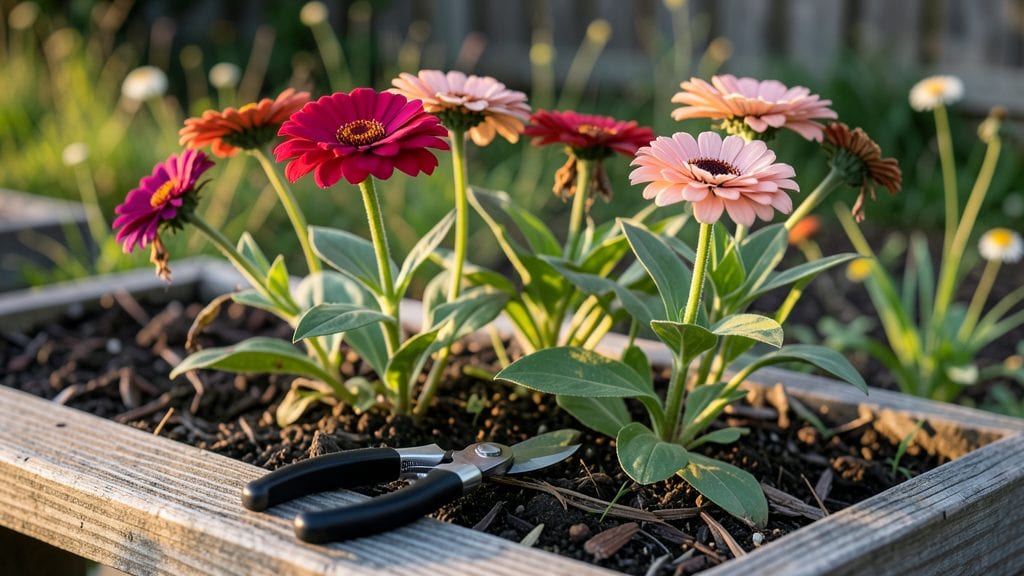
Deadheading flowers means removing spent blooms to redirect a plant’s energy into new growth, prolonging flowering cycles and preventing seed production that can weaken the plant.
When you deadhead flowers, you're essentially giving your plants a growth boost by eliminating the energy drain of seed production. 🌸 This simple act signals the plant to focus its resources on developing new blooms rather than sustaining old ones.
Many gardeners swear by this technique for plants like roses and zinnias, where consistent deadheading can extend the flowering season by weeks. The key is timing—removing faded blooms just as they start to wilt ensures the plant doesn't waste energy on seed development.
Beyond just encouraging more flowers, deadheading also improves the overall appearance of your garden by keeping plants looking tidy and healthy. It prevents the buildup of dead foliage, which can attract pests or diseases.
For instance, if you notice a rose bush with several wilted blooms, snipping them off right at the first set of leaves below the bloom will encourage fresh growth from that spot. This method works particularly well for annuals that bloom continuously throughout the season.
💡 In This Article
- How Deadheading Boosts Plant Growth and Flowering
- When and How to Deadhead Different Flower Types
How deadheading boosts plant growth and flowering
Here's what's actually happening when you deadhead: removing faded blooms interrupts the plant's natural seed production cycle. The moment a flower wilts, it begins producing ethylene gas, a plant hormone that signals maturity and triggers seed development.
This process diverts up to 30-40% of the plant's energy away from foliage and new growth. By snipping off spent blooms, you essentially tell the plant, "No seeds needed—let's grow more flowers instead!" 🌿
The real magic happens at the cellular level. When you remove a spent bloom, you're also eliminating the sink (the part of the plant that consumes resources). This creates a hormonal shift that stimulates nearby lateral buds to wake up and grow.
For example, roses have a dense network of buds along their stems—each one capable of producing a new bloom if given the right signal. Studies show that consistent deadheading can increase flower production by 20-50% in plants like zinnias and petunias, which naturally produce multiple blooms per stem.
Consider how this works with petunias: these annuals produce flowers continuously throughout the season. Without deadheading, each spent bloom would develop seeds, draining energy that could instead create 5-10 new flowers per stem.
The key is to cut just above a leaf node where new growth emerges—this ensures the plant knows exactly where to redirect its resources. 🌸 What most gardeners don't realize is that some plants, like snapdragons, actually benefit from partial deadheading—only removing the oldest flowers while leaving younger ones to mature.
Ethylene isn't the only player here—auxin hormones also shift when you deadhead. These growth regulators move from the old flower to nearby buds, essentially "unlocking" their potential. This is why you'll often see new blooms appear within 7-14 days after deadheading, especially in warm weather when metabolic activity is highest.
The process works best when you remove blooms within 24 hours of wilting, as delayed removal allows more ethylene to accumulate and trigger seed formation.
Different plant types respond uniquely to this technique. Perennials like coneflowers benefit from selective deadheading—only removing flowers after they've fully matured to allow seed heads to form for next year's growth. Annuals like marigolds, however, thrive on aggressive deadheading to maintain their compact, bushy form.
The texture of the stems matters too—woody stems (like those on roses) require clean cuts with pruners, while tender annual stems can be pinched with fingers for a more controlled removal.
The visual impact of proper deadheading is immediate: plants look fuller, greener, and more vibrant. This isn't just about aesthetics—healthier plants develop stronger root systems and better resistance to pests.
For instance, deadheaded zinnias produce 25% more robust stems compared to those left to go to seed, making them less susceptible to wind damage.
The sensory difference is noticeable too—the aroma of fresh blooms becomes more pronounced as the plant focuses its energy on producing high-quality flowers rather than seed pods.