
Watering
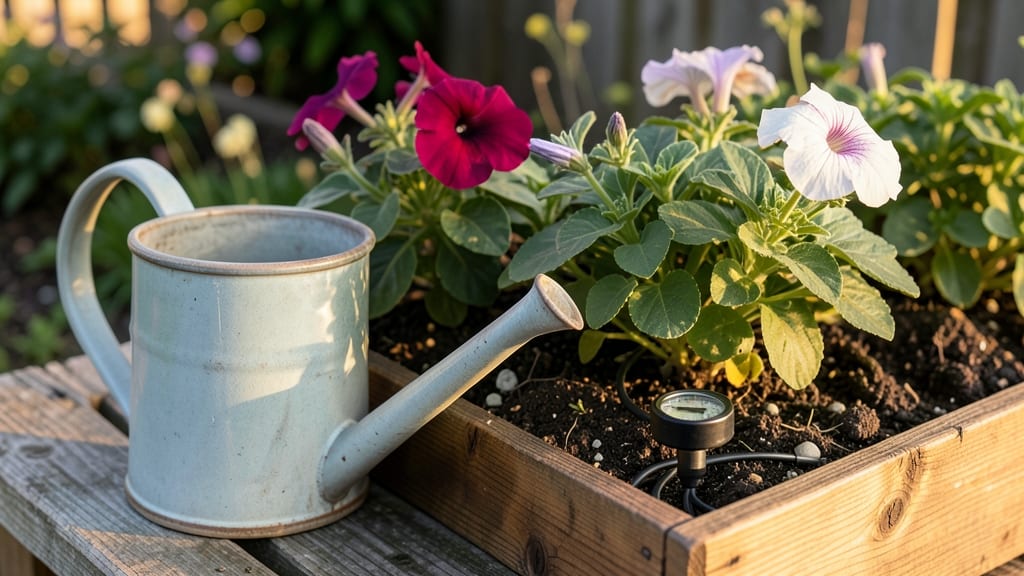
Watering your outdoor flowers the right way keeps them thriving, not just surviving — and the key is knowing how often to water flowers outside for their specific needs.
Struggling to keep your outdoor flowers thriving? Overwatering or underwatering can both kill your plants — so how do you find that perfect balance? The secret lies in understanding your soil and flower types, not just following a generic watering schedule.
Most gardeners guess, but guessing means wasted water, drooping petals, or worse — losing plants you’ve nurtured all season. Whether you’re dealing with sandy soil that drains too fast or clay soil that holds too much moisture, the right approach makes all the difference.
Here’s what you need to know: from checking soil moisture to adjusting for heatwaves, we’ll break down the perfect watering routine so your flowers stay lush and healthy all season long.
How often to water flowers based on soil type: the ultimate guide
Your garden’s soil type is the foundation of healthy flowers—it determines how often you need to water and how deeply. Clay soil holds moisture like a sponge, while sandy soil drains faster than a sieve. Loamy soil, the gold standard, strikes a balance that most flowers adore.
Without knowing your soil type, you might drown your petunias or leave your roses parched. Let’s fix that with a soil test and tailored watering schedules!
First, grab a handful of damp soil and squeeze it. If it crumbles easily, you’ve got sandy soil. If it stays in a tight ball, it’s clay soil. The perfect middle ground—smooth but crumbly—is loamy soil.
For precise results, grab a soil test kit (around $15) or send a sample to your local cooperative extension service. This small step will save you from guessing and wasting water!
Once you know your soil type, adjust your watering routine. Clay soil stays soggy for days, while sandy soil dries out in hours. Even loamy soil needs adjustments based on rainfall and plant types.
Below, I’ve broken down the ideal watering frequency for each soil type, so you can keep your flowers blooming without the guesswork.
🌱
<summary-table>| Soil Type | Watering Frequency | Depth | Best Time | Notes |
|---|---|---|---|---|
| Clay | Every 3-5 days | 2-3 inches | Morning | Dries slowly; water deeply but less often |
| Sandy | Every 1-2 days | 1-2 inches | Evening | Drains fast; water lightly but frequently |
| Loamy | Every 2-4 days | 1.5-2.5 inches | Morning | Ideal balance; adjust for rainfall |
Now that you’ve got the basics, let’s dive deeper. Clay soil is a double-edged sword—it retains moisture but also compacts easily, suffocating roots. To improve drainage, mix in compost or sand (yes, even sand helps break up clay!).
For sandy soil, add organic matter like peat moss or coconut coir to help it hold onto water. Loamy soil is already a dream, but a 2-inch layer of mulch will keep moisture levels steady and reduce evaporation.
Your flower types also play a role. Drought-tolerant varieties like lavender and succulents thrive in sandy soil with minimal watering, while water-loving flowers such as hydrangeas and impatiens need consistent moisture in clay soil.
Always check the root zone—stick your finger 2 inches into the soil. If it’s dry, it’s time to water!
Seasonal changes demand adjustments too. In summer heat, sandy soil may need watering daily, while clay soil might only need a deep watering every 4-5 days.
In spring and fall, reduce frequency by 30-50% since temperatures are milder. Winter watering is a gray area—most flowers enter dormancy, but evergreens and tropical plants still need occasional hydration.
Pro tip: Use a rain gauge to track rainfall. If you’ve had 1 inch of rain, skip watering for sandy soil but still check clay soil—it might need a light drink.
For container-grown flowers, watering frequency doubles because pots dry out faster. Always water at the base of plants to avoid fungal diseases from wet foliage.
Don’t forget to monitor your flowers for signs of stress. Wilting leaves or yellowing foliage often signal underwatering, while mushy stems or white mold mean you’re overdoing it. Adjust your schedule based on what you observe—your garden will thank you with vibrant blooms all season long!
💧
Best watering schedule for common outdoor flowers by season
Your roses might need deep watering every 2-3 days in summer, while marigolds thrive with just 1 inch of water weekly. The key is adjusting your routine based on seasonal needs and flower types.
Early morning watering prevents fungal diseases, while evening watering can leave petals damp too long.
Drought-resistant varieties like lavender and black-eyed Susans handle less frequent watering better than petunias, which wilt quickly in dry conditions. Always check the top inch of soil—if it's dry, it's time to water. Mulching helps retain moisture, reducing how often you need to water.
🌱
Water 2-3 times weekly as soil warms. Focus on newly planted flowers like tulips and daffodils, which need consistent moisture to establish roots.
Increase to daily watering for sun-loving geraniums and roses. Water deeply in the morning to encourage strong root growth and prevent wilting.
Reduce to 2 times weekly as temperatures drop. Focus on perennials like coneflowers, which store water in their roots for winter.
Water only when soil is dry (every 2-3 weeks). Protect tender flowers like petunias with mulch to retain minimal moisture.
Choose succulents, yarrow, or Russian sage for low-maintenance gardens. These need water every 1-2 weeks once established.
Always water in the early morning (before 9 AM) to reduce evaporation and fungal risks. Avoid evening watering, which keeps petals damp overnight.
For container-grown flowers, check soil moisture daily—they dry out faster than in-ground plants. Use a moisture meter or the finger test: stick your finger 1 inch deep. If dry, water until it runs out the drainage holes.
Adjust your schedule based on rainfall and humidity. In humid climates, water less frequently to avoid root rot. In dry areas, group plants with similar water needs together for efficiency. A drip irrigation system delivers consistent moisture without waste.
💧