
Propagation
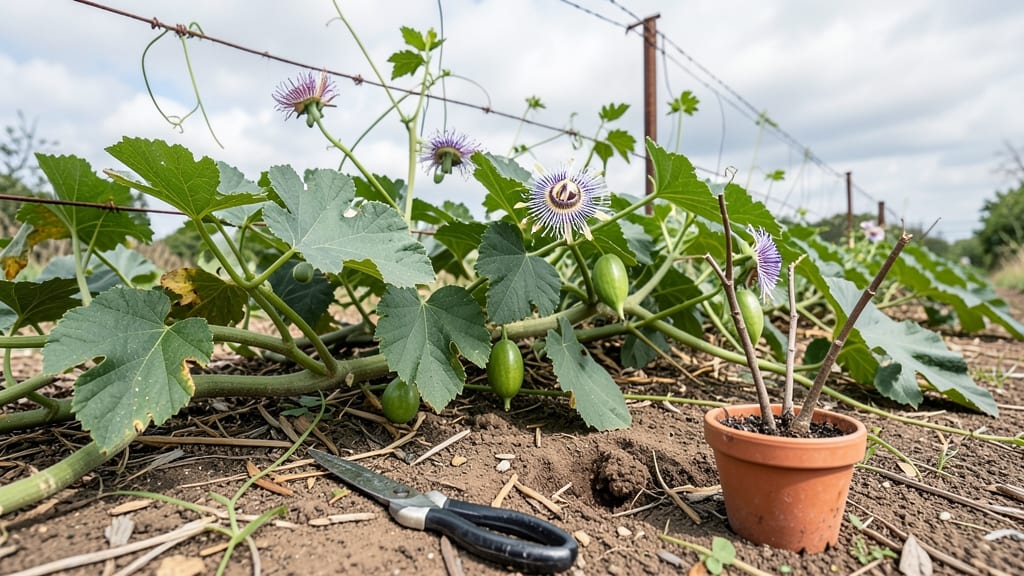
Passion flower propagation from cuttings is easier than you think—no fancy tools or green thumbs required. 🌿 I’ve rooted dozens of passion vines this way, and the key is timing: late spring or early summer when new growth is vigorous but not yet wood.
The first step is choosing healthy stems with at least two sets of leaves, because those little leaf nodes are where roots will sprout like magic.
You’ll need just three things: sharp scissors, a clean container (water or soil), and a little patience. For water propagation, trim stems just below a node and place them in filtered water—roots appear in 2-4 weeks if you keep the water fresh.
Soil propagation works too, but it’s faster if you dip the cut end in rooting hormone first. The trick is keeping everything slightly damp without drowning the cuttings.
Once roots form, you’ll see new growth within weeks—velvety green leaves unfurling as if the plant just woke up from a nap. The real payoff? These propagated vines flower faster than nursery-bought ones, and they’re already adapted to your climate.
Just be ready to move them to larger pots or the ground when roots fill the container.
This method works for all Passiflora species, from the hardy maypop to tropical hybrids. The only real challenge is keeping humidity up during rooting—covering cuttings with a plastic bag helps. Now grab those scissors and let’s grow some passion flowers!
📚 In This Guide
- What you need
- Instructions
- Tips and common mistakes
- Wrapping up and next steps
What you need
- ● Passion flower cuttings: Healthy, semi-hardwood stems (4–6 inches long) with at least 2–3 nodes (where leaves grow). Use sharp, sterilized pruning shears to avoid damaging the plant.
- ● Clean containers: For water propagation: Small glass jars, test tubes, or clean plastic cups (6–8 oz size).
- ● For soil propagation: 4–6 inch pots with drainage holes or a propagation tray with well-draining soil mix.
- ○ Rooting hormone (optional but recommended): A powder or gel to boost root growth (e.g., Rootone or Clonex).
- ● Well-draining soil mix: A blend of 50% perlite, 30% peat moss, and 20% coco coir (or a pre-mixed propagation mix). Avoid garden soil—it’s too dense!
- ● Water: Room-temperature, filtered, or rainwater (chlorine-free).
- ● Plastic wrap or humidity dome: To create a mini greenhouse effect and retain moisture (especially for soil propagation).
- ● Spray bottle: For misting cuttings and keeping them hydrated.
- ● Pruning shears or sharp knife: Sterilized with rubbing alcohol to prevent disease.
- ● Rubbing alcohol (70% or higher): For cleaning tools and cutting surfaces.
- ● Pencil or chopsticks: To prop open cuttings in water containers (prevents stem rot).
- ● Grow lights or sunny windowsill: Bright, indirect light (6+ hours/day) for optimal growth.
- ○ Heat mat (optional): Speeds up rooting in soil (70–75°F is ideal).
- ● Labels & marker: To track cuttings by date and variety.
Step-by-step passion flower propagation: root in water or soil
Here’s how to multiply your passion vines with minimal fuss—both methods work, and I’ll show you which suits your space best.
🌱 Step 1: Choose Healthy Cuttings and the Right Time
Select 4-6 inch stem cuttings from new growth—they’ll root best. Look for sections with at least 2-3 leaf nodes (those little bumps where leaves or roots sprout). Early summer is ideal, but you can propagate anytime the plant is actively growing. Avoid woody, thick stems—they root poorly. Snip just below a node with clean, sharp scissors to prevent crushing.
Here’s the thing—passion vines root faster in water, but soil-grown cuttings transition better to permanent planting. If you’re impatient, water’s your friend. If you want stronger plants right away, go straight to soil. Either way, strip the lower leaves (about half the stem) to reduce moisture loss and prevent rot. Leave just 1-2 leaves at the top.
💧 Step 2: Root in Water (Fastest Method)
Fill a clean glass jar with room-temperature water—tap water works, but avoid chlorine-treated sources if possible. Submerge the stripped stem 1-2 inches deep, ensuring the nodes touch the water. Change the water every 2-3 days to prevent bacterial growth and keep it fresh. Place the jar in bright, indirect light—direct sun overheats the water and stresses the cutting.
You’ll see tiny white roots in 2-4 weeks, but don’t rush to plant. Wait until roots are 1-2 inches long before transferring. Here’s a pro tip: Add a drop of hydrogen peroxide to the water weekly to discourage mold. If the stem rots (it’ll turn mushy), start over—this means the cutting was too old or diseased.
🪴 Step 3: Root Directly in Soil (More Reliable Long-Term)
Fill a small pot (4-6 inches deep) with well-draining potting mix—passion vines hate soggy roots. Dip the stripped cutting in rooting hormone (optional but helpful) and insert it 1-2 inches deep, firming the soil gently around the stem. Water lightly until the mix is moist but not soggy, then place the pot in a humid, warm spot (think 70-75°F) with bright, indirect light.
Cover the pot with a clear plastic bag (secured loosely) to trap humidity—this mimics the tropical conditions passion vines love. Check daily and remove the bag for 10 minutes to prevent mold. Roots should appear in 3-6 weeks. You’ll know it’s working when new leaves sprout at the top—this means the cutting has established itself.
☀️ Step 4: Transition to Permanent Growth
Whether rooted in water or soil, wait until you see strong new growth before moving to a larger container or garden bed. For water-rooted cuttings, rinse off the roots gently to remove old water, then plant in well-draining soil at the same depth they were in the jar. For soil-rooted cuttings, gradually reduce humidity over 1-2 weeks by shortening the plastic bag’s wear time.
Passion vines thrive in full sun once established, but introduce them slowly to avoid leaf scorch. Water deeply once a week (or when the top 1-2 inches of soil feel dry)—they’re drought-tolerant but appreciate consistent moisture. Mulch around the base to retain humidity and deter weeds. You’ll know your new plant is happy when it starts sending out new tendrils within a month.
⏰ Step 5: Maintain and Encourage Flowering
Feed your new passion vine with a balanced liquid fertilizer (10-10-10) every 4-6 weeks during spring and summer to encourage lush growth and blooms. Prune leggy stems in late winter to shape the plant and promote bushier growth. If your vine struggles to flower, it might need more sunlight—passion flowers are heavy feeders and reward bright conditions with dramatic blooms.
Real talk: The first year might be all leaves, but be patient. With proper care, you’ll see those exotic, intricate flowers by the second season. And if a cutting fails? Don’t stress—passion vines are forgiving. Just try again with fresh cuttings and better light.
Tips & tricks for perfect passion flower propagation
Here's what nobody tells you about making this process foolproof—tricks that'll help your cuttings thrive whether you're rooting in water or soil.
The Cutting Secret: When selecting your 4-6 inch cuttings, look for stems that are slightly flexible rather than rigid. I learned this the hard way after struggling with woody stems that refused to root. Also, make sure to cut just below a node—this is where all the root magic happens. The first few leaves you remove should be the ones closest to the base, leaving just 1-2 at the top to minimize moisture loss.
Water Method Wisdom: For the water method, I've found that using a glass jar with a narrow neck helps prevent algae growth better than wide-mouth containers. When changing water every 2-3 days, don't just pour out the old water—rinse the jar thoroughly first. This prevents bacterial buildup that can rot your cuttings. And remember, those tiny white roots should appear within 2-4 weeks, but patience is key—wait until they're at least 1-2 inches long before transplanting.
Soil Success Strategy: The 70-75°F temperature range mentioned is crucial—this is the sweet spot for passion vines. If your home runs cooler, consider using a small heat mat under the pot to maintain warmth. When covering with plastic, don't seal it completely—leave a tiny gap for airflow to prevent mold. The 10-minute daily removal is perfect for checking progress without disturbing the humidity too much.
Transition Tips: When moving water-rooted cuttings to soil, I've found it helpful to do a "dry run" first. Remove the cutting from water, let it sit for 10 minutes to dry slightly, then replant. This helps prevent transplant shock. For soil-rooted cuttings, gradually reduce humidity over 1-2 weeks by removing the plastic bag for longer periods each day—this toughens up the new plant for its permanent home.
Pro Tips for Passion Flower Propagation
- Here's what nobody tells you about making this process foolproof—tricks that'll help your cuttings thrive whether you're rooting in water or soil.
- The Cutting Secret: When selecting your 4-6 inch cuttings, look for stems that are slightly flexible rather than rigid.
- Water Method Wisdom: For the water method, I've found that using a glass jar with a narrow neck helps prevent algae growth better than wide-mouth containers.
Frequently asked questions
Got questions about growing more passion flowers? Here are answers to the most common ones—so you can propagate with confidence!
When is the best time to propagate passion flowers?
The ideal window is late spring to early summer (May–June in most regions). This gives vines time to establish roots before winter. If you’re in a warm climate, you can propagate year-round—but avoid extreme heat or frost.
How do I know if my cutting is ready for propagation?
Look for healthy, mature vines (6–12 inches long) with at least 2–3 nodes (those little bumps where leaves grow). Avoid woody or yellowing stems—they root poorly. Morning cuts work best since the plant’s energy is high!
Rooting in water vs. soil—what’s easier for passion flowers?
Both work, but soil propagation is often faster and reduces transplant shock. Water rooting takes 2–4 weeks, while soil rooting can happen in 3–6 weeks. Use a well-draining mix (like perlite + peat) to prevent rot. Pro tip: Mist cuttings daily to keep humidity high!
Why aren’t my cuttings rooting? Troubleshooting tips!
Check these common issues:
- No nodes underwater/buried → Roots need those growth points!
- Dirty or old water → Change water every 2–3 days if rooting in H₂O.
- Low humidity → Try a plastic bag over cuttings or a humidity dome.
- Overwatering in soil → Let the top inch dry out between waterings.
Can I propagate passion flowers from seeds instead of cuttings?
Yes, but it’s slower (6–12 months to maturity) and less reliable for true-to-parent traits. Seeds require stratification (cold treatment) for germination. Cuttings are the faster, easier route for most gardeners—especially if you love a specific variety!
Wrapping up and next steps
Growing passion flowers from cuttings or seeds is simpler than you think—whether you root them in water or soil, patience and a little care are all you need! 🌱 With the right tools and techniques, you’ll soon be enjoying vibrant blooms and lush foliage that’ll make your garden the talk of the neighborhood.
Ready to take the next step? Start with just one cutting or seed today—your future passion flower haven awaits!
- 🌿 Pro tip: Document your progress with photos—it’s a fun way to track growth and celebrate small wins!
- 📅 Next up: Once rooted, transplant your passion flowers into well-draining soil and watch them thrive!