
Tools
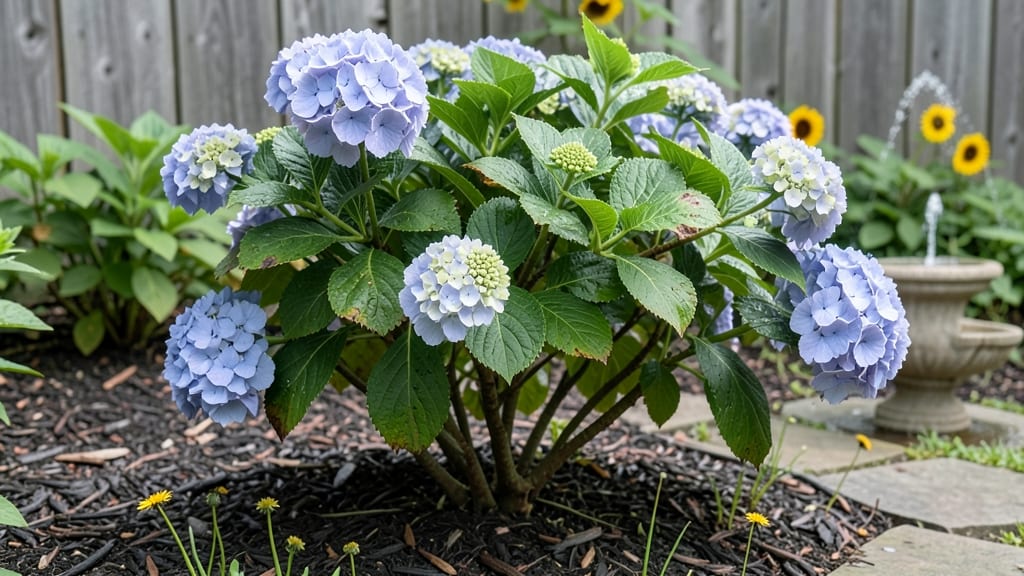
A flower garden with a fountain turns your backyard into a tranquil retreat where water’s gentle rhythm meets vibrant blooms. 🌿 I designed mine around a small tiered fountain that hums softly near my peonies, and the difference in ambiance is night-and-day compared to a dry garden bed.
The key is balancing water-loving plants—like astilbes and irises—with drought-tolerant perennials that won’t wilt from the mist.
Start with a fountain that fits your space and style: a sleek wall fountain for modern gardens, a bubbling rock feature for Zen vibes, or a classic tiered design for romance.
Place it where the sound carries naturally—near seating areas or pathways—so the water’s melody becomes part of your daily routine. My fountain sits at the garden’s center, with hostas and ferns framing it to soften the water’s edge.
By summer, you’ll have a garden that feels like a secret escape—where the air stays cooler, bees buzz happily around moisture-loving blooms, and the fountain’s glow at dusk turns evenings into peaceful moments.
The plants thrive, the water stays clear, and every visit feels like coming home. Let’s make yours just as special.
Whether you’re going for lush cottage charm or minimalist modern lines, the right fountain and plant combo will transform your space. The hardest part? Deciding where to put it first. Start small—even a tabletop fountain can make a statement—and build from there.
📚 In This Guide
- What you need
- Instructions
- Tips and common mistakes
- Wrapping up and next steps
What you need
- ● Fountain: 1 pre-formed pond liner (24–36" deep, size based on fountain dimensions)
- ● 1 submersible pump (120–240 GPH, waterproof, 12V or solar-powered)
- ● 1 water feature kit (includes basin, spout, and plumbing—choose stone, ceramic, or metal)
- ● Flowers & Plants: Moss or aquatic plants (e.g., water hyacinth, lotus, or water lilies for edges)
- ● Perennial flowers (10–20 plants: hostas, daylilies, or impatiens for color)
- ● Ground cover (e.g., creeping thyme or ajuga for texture)
- ● Soil & Mulch: 2–3 bags high-quality garden soil (for planting beds)
- ● 1 bag organic mulch (cedar or pine for moisture retention)
- ● 1 shovel (for digging)
- ● 1 garden trowel (for precision planting)
- ● 1 wheelbarrow (for hauling soil/mulch)
- ● 1 level (to ensure fountain stability)
- ● 1 measuring tape (for layout)
- ● 1 landscape fabric (to prevent weed growth)
- ○ Optional: gravel or pebbles (for drainage around the fountain base)
- ● ✨ Location: Choose a spot with partial shade (if using sun-sensitive plants) and easy access to a water source.
- ● 🌡️ Weather: Plan for mild temperatures (50–80°F) to avoid stressing plants or damaging liners.
- ● 🎯 Safety: Use waterproof electrical components if powering the pump.
Step-by-Step instructions for designing a flower garden with a fountain
Here's how to blend water features with blooms for a tranquil, visually stunning garden.
🪴 Step 1: Plan the Layout and Select Your Fountain
Start by sketching your garden's shape and marking where the fountain will go. I always place it near a focal point—like a tree or seating area—so the sound carries naturally. Choose a fountain with a 12-18 inch basin depth to accommodate both water flow and shallow-rooted flowers. A tiered or bubbling design adds movement without overwhelming smaller blooms.
Measure your space carefully. A 3-foot diameter fountain works well for a small garden, while larger designs (up to 6 feet) suit bigger landscapes. Position it where the water feature won’t block sunlight from plants—most flowers need at least 6 hours of direct light daily. Test the placement by walking through the space to ensure the fountain enhances, rather than competes with, your garden’s natural flow.
💧 Step 2: Prepare the Base and Install the Fountain
Dig a hole 2-3 inches deeper than the fountain’s base to allow for a level foundation. Use the landscape fabric to line the hole and prevent weeds from creeping up around the edges. For stability, I fill the bottom 1 inch deep with a layer of gravel before setting the fountain in place. This ensures proper drainage and keeps the structure from shifting over time.
Once the fountain is level, backfill the remaining space with soil, pressing gently to remove air pockets. Connect the water pump and test the flow before adding any plants. The water should circulate smoothly without splashing too aggressively—this protects delicate petals from damage. If the pump is noisy, place it near a dense shrub or under a decorative rock to muffle the sound while keeping it accessible for maintenance.
☀️ Step 3: Choose and Plant Water-Tolerant Flowers
Select flowers that thrive in moist but well-draining soil. I love pairing moisture-loving perennials like iris, canna lilies, and astilbe with drought-tolerant options like lavender and sedum around the fountain’s edges. These combinations create a balanced look while reducing maintenance. Plant in layers: taller flowers (like 3-4 foot daylilies) behind the fountain, medium-height blooms (such as 2-foot tall bee balm) in the middle, and low-growing ground covers (like ajuga or creeping thyme) at the front.
Dig holes twice as wide as the root ball but only as deep as the container’s base. Gently remove the plant from its pot, loosen the roots if they’re circling, and place it in the hole. Fill with soil, water deeply, and add a 2-inch layer of mulch to retain moisture and suppress weeds. Avoid piling mulch against the fountain’s base—keep it 6 inches away to prevent rot.
✂️ Step 4: Maintain Water Quality and Garden Health
Change the water every 2-4 weeks to prevent algae and mosquito breeding. I use a fountain cleaner once a month to keep the pump and basin free of buildup. Add a few beneficial bacteria drops to the water to break down organic matter naturally. For extra clarity, place a few water lilies or floating plants in the basin—they shade the water and reduce evaporation.
Monitor the soil around the fountain for sogginess. If water pools excessively, add more gravel to the base or redirect drainage slightly. Trim spent blooms regularly to encourage new growth, and fertilize lightly in spring with a balanced, slow-release fertilizer. This keeps your flowers vibrant without overfeeding, which can lead to leggy stems or weak blooms. A little maintenance goes a long way in keeping your garden serene and thriving.
Tips & tricks for creating a harmonious flower garden with a fountain
Between us, these little details make all the difference between a charming garden feature and a clunky eyesore. Let me share what I've learned after designing several of these tranquil spaces.
Fountain Placement Strategy: In Step 1, when you're sketching your layout, consider the sound journey. Place the fountain where the water sound carries to your seating area or patio—this creates a natural focal point that pulls everything together. I also recommend positioning it so the water flows toward your favorite view rather than away from it. This subtle directionality makes the garden feel more intentional and cohesive.
Foundation Stability Tip: The 1-inch gravel layer in Step 2 isn't just about drainage—it's your secret weapon against shifting. After installing my first fountain, I learned the hard way that compacting this layer properly prevents sinking over time. Use a tamper or even a rubber mallet to settle the gravel before adding soil. This small effort saves you from having to re-level a wobbly fountain later.
Flower Layering Technique: When arranging your flowers in Step 3, think vertically as much as horizontally. The 3-4 foot daylilies behind the fountain create a natural backdrop, while the 2-foot bee balm in the middle draws the eye toward the water feature. I like to add a few taller grasses (around 2-3 feet) near the fountain's edges to frame the water movement. This creates visual depth that makes your garden feel more expansive.
Maintenance Shortcut: The 2-4 week water change in Step 4 works perfectly, but here's how to make it easier: Keep a dedicated bucket near your garden specifically for fountain water. When you change it, use that water to water your thirstiest plants—it's already rich in nutrients from the beneficial bacteria. Just avoid using it on flowers that dislike wet foliage like roses.
Pro Tips for Flower Garden With Fountain
- Between us, these little details make all the difference between a charming garden feature and a clunky eyesore.
- Fountain Placement Strategy: In Step 1, when you're sketching your layout, consider the sound journey.
- Foundation Stability Tip: The 1-inch gravel layer in Step 2 isn't just about drainage—it's your secret weapon against shifting.
Frequently asked questions
What’s the best type of fountain for a small flower garden?
A small, tabletop or wall-mounted fountain works best for compact spaces. For larger gardens, a pondless fountain or bubbling rock feature blends seamlessly with flowers while saving space. Avoid overly large fountains—they can overwhelm delicate blooms and disrupt the serene vibe.
When is the best time to install a fountain in a flower garden?
Spring or early fall is ideal! Spring lets you enjoy the fountain as flowers bloom, while fall avoids extreme heat. Avoid winter—freezing temps can damage pumps and plumbing. If installing in summer, do it early morning or late evening to prevent heat stress on plants.
How do I keep my fountain from damaging flower roots or soil?
Use a waterproof liner or basin beneath the fountain to contain water and prevent erosion. Place it on a gravel or sand base for drainage. For delicate flowers like hostas or impatiens, keep the fountain at least 1–2 feet away to avoid root saturation.
Can I use a fountain in a garden with shallow-rooted plants?
Yes! Opt for a low-flow or solar-powered fountain to minimize water displacement. Shallow-rooted plants like petunias or pansies thrive near fountains if the soil stays moist but not soggy. Mulch around the base to retain moisture and protect roots from temperature fluctuations.
Why is my fountain making weird noises, and how do I fix it?
Common culprits include air bubbles (adjust the pump intake), debris in the pump (clean it), or a worn impeller (replace if needed). If the noise persists, check for loose parts or misaligned components. For a quiet operation, ensure the pump is fully submerged and the water flow is smooth.
Wrapping up and next steps
A flower garden with fountain isn’t just a stunning visual—it’s a tranquil retreat that brings nature’s beauty to life. By blending vibrant blooms with the soothing sounds of water, you’ve created a space that inspires relaxation and elevates your outdoor experience.
Whether you’re a seasoned gardener or just starting, this project proves that a little creativity and planning can transform any yard into a serene oasis.
Now that you’re armed with the right materials and answers, it’s time to roll up your sleeves! Start small—sketch your design, gather your tools, and let your garden unfold. Happy planting! 🌸💦