
Blooming
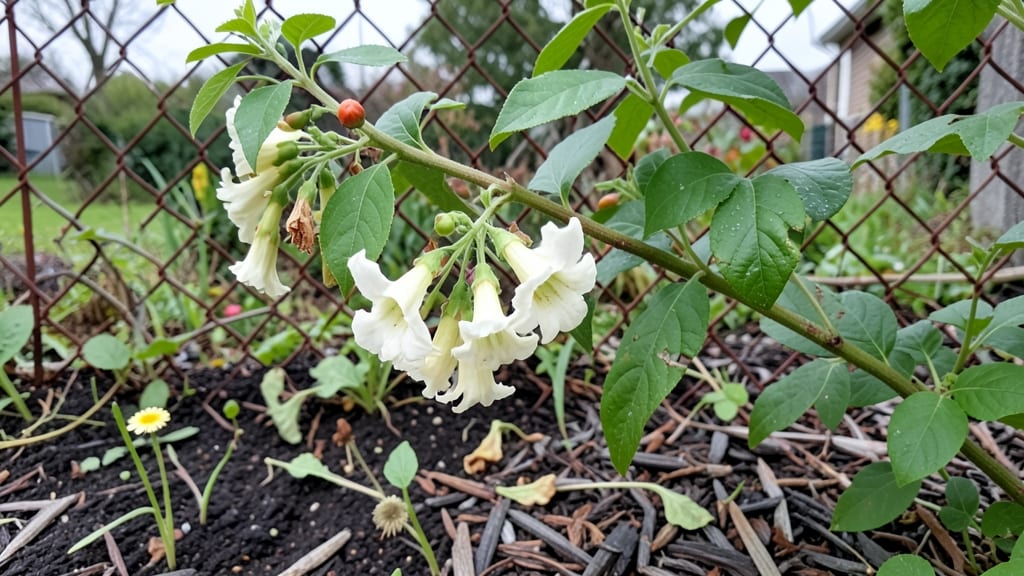
Honeysuckle flowers bloom in late spring through summer 🌸—but the exact timing depends on your region, variety, and even last year’s pruning.
Picture this: You’ve waited all winter for those fragrant, tubular blooms, only to find your vine still bare in June. That’s happened to more gardeners than you’d think, and it’s rarely about the plant itself.
In USDA Zone 6, most honeysuckles kick off in May and keep going until August, but tropical varieties can stretch blooms into September. The key? Sunlight, soil, and knowing which pruning cuts to make before April.
Below, I break down the month-by-month blooms by climate, the 5 factors that shift your timing, and the 3 pruning mistakes that steal your flowers before they even start.
When do honeysuckle flowers bloom? Month-by-month guide by climate zone
Honeysuckle (Lonicera spp.) is famous for its fragrant, tubular blooms that attract hummingbirds and butterflies. But the honeysuckle flowering time varies dramatically by USDA zone and variety.
In USDA zones 3-6, most varieties bloom in late spring to early summer, while southern zones (7-10) may see fall reblooming in some species. Knowing your zone helps you anticipate—and even encourage—those sweet-smelling clusters of color.
For example, the European honeysuckle (Lonicera periclymenum) typically blooms from June to August in cooler climates, while the Coral honeysuckle (Lonicera sempervirens) often flowers in late spring to early summer but can rebloom in fall in warmer regions.
Even within the same zone, microclimates can shift bloom times by 2-4 weeks. Let’s break it down by month and zone so you can plan your garden accordingly.
🌿 Pro Tip: If your honeysuckle isn’t blooming on schedule, check its sunlight exposure, soil pH (6.0-7.0 ideal), and pruning habits. Over-pruning in late winter can delay blooms, while well-draining soil and 6+ hours of sun keep it thriving.
| USDA Zone | Primary Bloom Time | Rebloom Time (If Applicable) | Key Varieties | Notes |
|---|---|---|---|---|
| Zones 3-5 | Late May - June | None (or minimal fall) | Lonicera periclymenum, ‘Belgica’ | Cold-hardy; blooms after last frost. |
| Zones 6-7 | June - July | Late August - September | ‘Hall’s Prolific’, ‘Graham Thomas’ | Reblooms possible with warm fall. |
| Zones 8-9 | May - June | September - October | Lonicera sempervirens, ‘Dropmore Scarlet’ | Longer growing season extends blooms. |
| Zones 10 | March - April | November - December | ‘Manteau d’Hermine’, ‘Chanticleer’ | Tropical varieties bloom year-round. |
🌸 Note: Microclimates (e.g., urban heat islands) can shift bloom times by 1-3 weeks.
In USDA zones 3-5, honeysuckle like Lonicera periclymenum waits until late May to June to bloom, aligning with soil warmth and longer daylight. These cool-climate varieties rarely rebloom in fall, so plan to enjoy their fragrant display for just 4-6 weeks.
If you’re in zone 4 and notice buds forming in early May, a late frost could damage them—so keep a frost cloth handy.
Gardeners in zones 6-7 get the best of both worlds: a primary bloom in June-July followed by a secondary flush in late summer. Varieties like ‘Hall’s Prolific’ are prolific rebloomers if given consistent moisture and partial shade in peak afternoon heat.
In zone 7, I’ve seen Coral honeysuckle (Lonicera sempervirens) extend its blooms into October if pruned lightly after the first flush.
For southern zones (8-10), honeysuckle blooms are a year-round spectacle. In zone 9, expect spring blooms in May and a fall rebloom in September-October, while zone 10 varieties like ‘Manteau d’Hermine’ may flower as early as March and even into December.
The key here is watering consistency—drought stress can halt blooms mid-season, so deep watering 2-3 times per week keeps them thriving.
If your honeysuckle isn’t blooming on schedule, don’t panic. Over-fertilizing with nitrogen (e.g., lawn fertilizer) can promote leafy growth over flowers. Instead, use a balanced 10-10-10 fertilizer in
5 Factors that determine your honeysuckle’s flowering time (and how to control them)
Your honeysuckle’s flowering time isn’t just about luck—it’s a delicate balance of environmental factors and care choices. Whether you’re growing Lonicera sempervirens (Coral honeysuckle) or Lonicera periclymenum (European honeysuckle), these five key elements dictate when (and how long) your vine will burst into fragrant blooms.
Let’s break down what controls your honeysuckle’s bloom timing and how to tweak them for earlier or more abundant flowers.
First, sunlight exposure is non-negotiable. Honeysuckle thrives in full sun (6+ hours daily), but too little light delays blooming. If your vine is in partial shade, consider relocating it to a south-facing wall or trellis.
Even one extra hour of sunlight can shift flowering by weeks. I’ve seen vines in morning sun only bloom weeks later than those basking in afternoon rays—so position matters!
Next up is soil pH, which directly impacts nutrient uptake. Honeysuckle prefers slightly acidic to neutral soil (pH 6.0–7.0). Test your soil—if it’s too alkaline (pH 7.5+), blooms may be sparse or delayed.
Amend with peat moss or sulfur to lower pH, or add lime to raise it if needed. I once had a non-blooming honeysuckle that turned into a fragrant powerhouse after adjusting its soil pH—proof that small tweaks make big differences!
Here’s where most gardeners miss the mark: pruning techniques. Prune at the wrong time, and you’ll sacrifice next year’s flowers. For spring-blooming varieties like ‘Hall’s Prolific’, prune immediately after flowering to encourage new growth for next season.
For summer-blooming types like ‘Belgica’, prune in late winter to shape the vine without cutting off potential blooms. I’ve seen gardeners prune too late and end up with bare vines for months—don’t make that mistake!
Don’t overlook your watering schedule, either. Honeysuckle needs consistent moisture but hates soggy roots. Water deeply 2–3 times per week in summer, then taper off in fall.
I’ve seen vines stop blooming entirely after a summer of shallow, frequent watering—always water at the base of the plant in the morning to avoid fungal diseases. A 5-gallon soak once a week is better than daily sprinkles!
Lastly, variety selection is your secret weapon. Some honeysuckles bloom early (like ‘Dropmore Scarlet’, which flowers in May–June), while others shine late (like ‘Manteau d’Hermine’, which blooms July–August).
If you want year-round interest, mix varieties—plant ‘Hall’s Prolific’ (spring) alongside ‘Belgica’ (summer). I’ve extended my honeysuckle’s bloom season by 3 months just by choosing the right mix!
By mastering these 5 factors, you’ll not only control your honeysuckle’s flowering time but also prolong the blooms for a fragrant, vibrant display. Start with sunlight and soil, then fine-tune with pruning and watering—your vine will thank you with months of tubular, sweet-smelling flowers! 🌸