
Vegetables
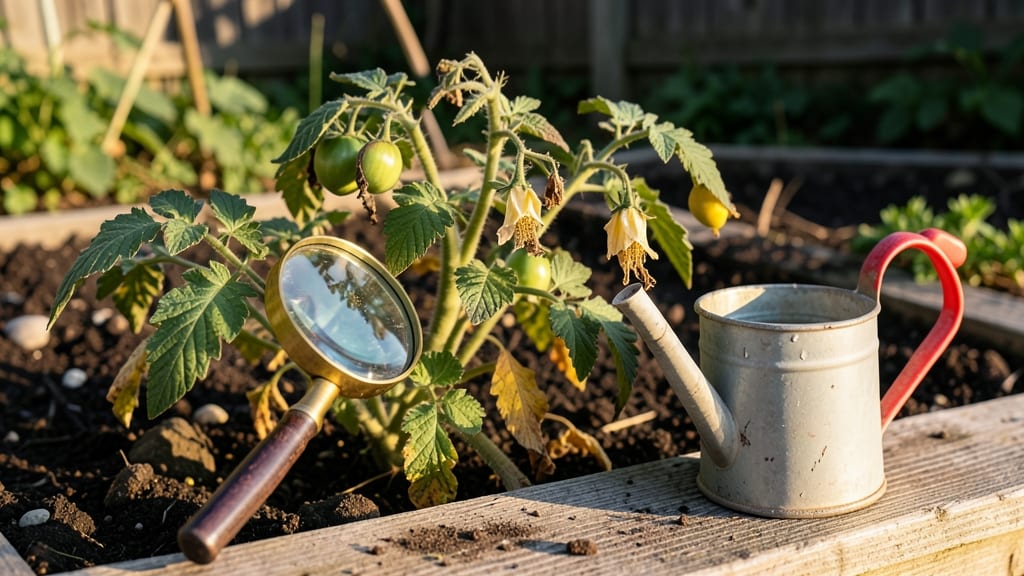
See those tomato flowers dying—here’s why your plants might be waving the white flag in July. That’s happened to me more times than I’d like to admit, and I’ve learned exactly why it happens—and how to stop it.
The first time I saw my prized heirlooms losing blooms midday, I thought I’d lost the whole season. Turns out, it’s usually one of three things: heat stress, inconsistent watering, or a hidden pest party under the leaves.
Here’s the thing—most gardeners fix the wrong problem. Overwatering causes blossom drop just as often as underwatering, and hornworms can strip a plant bare overnight if you’re not checking the undersides of leaves.
I now keep a spray bottle nearby for quick hydration checks and inspect plants at dawn when pests are sluggish. The key is catching it early before the flowers turn to fruit—or disappear entirely.
What you’ll end up with is a plant that holds onto its blooms and starts setting fruit within a week of making these adjustments. Those tiny green tomatoes will swell into juicy red ones, and you’ll finally get the harvest you planted for.
The best part? Once you understand the pattern, you’ll spot the warning signs before they become a crisis.
This works for backyard gardens, raised beds, or even container-grown tomatoes—just scale the watering and pest checks to your setup. Let’s turn those drooping blooms into a bountiful harvest before it’s too late.
Root Causes Behind Wilting Blooms
Tomato flowers are delicate powerhouses—responsible for producing the juicy, flavorful fruits we all love. But when they start dying prematurely, it’s usually a sign that something fundamental is off in their environment or care routine.
Let’s break down the science-backed reasons why your tomato flowers might be wilting, dropping, or failing to thrive.
Tomato plants (Solanum lycopersicum) are warm-season crops, meaning they thrive in specific temperature ranges. When conditions stray too far from ideal, flowers become stressed and may abort or die before setting fruit.
- Too Hot (Above 90°F/32°C): High daytime temperatures can cause pollination failure—the heat disrupts the movement of pollen, or the flowers simply drop before fertilization occurs.
This is especially common in greenhouse-grown tomatoes or during heatwaves. - Why it happens: Heat stress triggers ethylene production, a plant hormone that signals flower drop. Additionally, pollen grains dehydrate and lose viability in extreme heat.
- Too Cold (Below 55°F/13°C): Cold snaps or evening chills can stunt flower development or cause blossom end rot-like symptoms in flowers.
If nighttime temps dip below 50°F (10°C), flowers may fail to open or die within 24–48 hours. - Why it happens: Cold slows metabolic processes, including photosynthesis and nutrient transport. Flowers lack the energy to mature, and calcium uptake (critical for cell wall stability) is disrupted.
Actionable Fix:
- Use shade cloth (30–50%) during peak afternoon heat.
- Mulch heavily to regulate soil temperature and reduce root stress.
- Choose heat-tolerant varieties like ‘Solar Fire’ or ‘Heatmaster’ if you’re in a hot climate.
Water is the lifeblood of tomato flowers, but improper hydration is one of the most common causes of flower death. Both drought stress and overwatering can trigger wilting or abscission (premature flower drop).
- Underwatering: When soil dries out, tomato plants prioritize water to existing leaves and roots, leaving flowers and fruit to suffer.
Wilting blooms often appear crispy or brown at the edges, a sign of dehydration. - Why it happens: Flowers rely on steady water pressure to maintain turgor (rigidity). Without it, cells collapse, and ethylene levels spike, prompting the plant to drop flowers to conserve resources.
- Overwatering: Soggy soil leads to root rot (Phytophthora or Fusarium), which cuts off water and nutrient delivery to the plant. Flowers may appear mushy, discolored, or fail to open. - Why it happens: Waterlogged roots suffocate, reducing oxygen availability.
This triggers anaerobic respiration, producing toxic byproducts like ethanol, which damage cells—including those in developing flowers.
Actionable Fix:
- Water deeply but infrequently—aim for 1–1.5 inches per week, adjusting for rain.
- Use drip irrigation or soaker hoses to deliver water directly to the root zone (avoid wetting foliage).
- Check soil moisture with your finger: If the top 1–2 inches are dry, it’s time to water.
Tomato plants are sun worshippers, but too little—or even too much direct sun without acclimation—can cause flowers to wither.
- Low Light Conditions: Flowers need full sun (6–8+ hours daily) to photosynthesize and produce energy for fruit development. In shade, blooms may stay small, fail to open, or drop early. - Why it happens: Limited sunlight reduces carbohydrate production, weakening the plant’s ability to support reproductive structures.
Flowers also lack the energy to develop properly, leading to abortion.
- Sudden Sun Exposure (Transplant Shock): If seedlings are moved from low-light indoor conditions to intense outdoor sun, their leaves and flowers can scorch (turn white or brown) and die within days. - Why it happens: Plants acclimate to light levels gradually.
Sudden exposure causes oxidative stress, damaging cell membranes in flowers and leaves.
Actionable Fix:
- Hardening off seedlings: Gradually expose them to outdoor conditions over 7–10 days before transplanting.
- Prune lower leaves to improve airflow and light penetration to the canopy.
- If shade is unavoidable, opt for compact or determinate varieties like ‘Patio’ or ‘Tiny Tim,’ which tolerate lower light better.
Flowers are nutrient hogs—they demand phosphorus, potassium, calcium, and micronutrients to develop. A deficiency in any of these can lead to poor flower health, wilting, or death.
| Nutrient | Symptoms in Flowers | Cause |
|---|---|---|
| Phosphorus (P) | Flowers fail to open, stay small, or drop early. | Often tied to poor soil microbial activity or over-fertilization with nitrogen. |
| Potassium (K) | Flowers wilt, turn brown at edges, or develop weak stems. | Common in sandy soils or when plants are stressed by drought/salt. |
| Calcium (Ca) | Flowers develop blackened tips (similar to blossom end rot in fruit) or abort mid-development. | Compacted or acidic soil (pH < 6.0) reduces calcium uptake. |
| Magnesium (Mg) | Yellowing between leaf veins (interveinal chlorosis) spreads to flowers, causing premature drop. | Often seen in peat-heavy soils or after heavy rain leaches nutrients. |
Actionable Fix:
- Soil test before planting to identify deficiencies.
- Side-dress with bone meal (P), kelp meal (K), or crushed eggshells (Ca) mid-season.
- Avoid high-nitrogen fertilizers (like blood meal) during flowering—switch to a balanced 5-10-10 or bloom-boost formula.
While not always obvious, hidden pests and pathogens can drain a tomato plant’s energy, leading to flower death.
- Common Culprits: - Aphids/Whiteflies: Pierce flowers and inject toxins, causing wilting and deformation.
They also transmit viruses like Tomato Yellow Leaf Curl Virus (TYLCV), which stunts flower growth. - Hornworms: Devour flowers and buds overnight, leaving behind chewed petals and wilting stems. - Fungal Diseases (Early Blight, Powdery Mildew): Clog stomata (pores) on flowers, preventing gas exchange and causing premature drop.
- Why it happens: Pests physically damage tissue, while diseases block nutrient transport, starving flowers of the resources they need to survive.
Actionable Fix:
- Handpick pests (hornworms, beetles) in the early morning when they’re sluggish.
- Spray neem oil (for aphids) or Bt (Bacillus thuringiensis) (for caterpillars) at dusk to avoid harming pollinators.
- Improve airflow by pruning and spacing plants to reduce humidity (which fuels fungal growth).
Revive Your Tomato Blooms Now
Watching your tomato flowers wilt before they can turn into fruit is frustrating—but don’t toss those plants just yet! With the right fixes, you can often bring them back to life and even boost future blooms.
Below, we’ve mapped out practical solutions for the most common causes of dying tomato flowers, along with prevention tips to keep your plants thriving. Let’s get those blooms back in action!
Tomatoes thrive in warm but not scorching conditions. Extreme heat or cold can shock the plant, causing flowers to drop before they pollinate.
🔥 Fix It: Create Ideal Growing Conditions
- 🌞 Shield from Scorching Sun: If temperatures rise above 90°F (32°C), provide afternoon shade with a light cloth or row cover. Tomatoes need sunlight but can’t handle midday heatwaves.
- ❄️ Protect from Chill: If nights dip below 55°F (13°C), use row covers or move pots to a sheltered spot. Cold stress weakens the plant’s ability to set fruit.
- 💦 Boost Humidity (Indoors/Greenhouses): If your space is dry, mist leaves lightly in the morning or use a pebble tray under pots to add moisture.
🌱 Prevention Tips:
- 📅 Plant at the Right Time: Wait until after the last frost and soil temps are consistently above 60°F (15°C).
- 🌿 Choose Heat-Tolerant Varieties: Try ‘Heatmaster’ or ‘Solar Fire’ tomatoes—they handle warmth better than standard varieties.
Uneven watering is a top culprit for flower drop. Too much or too little can stress the plant, causing blooms to fall off.
🍳 Fix It: Master Your Watering Routine
- 💧 Water Deeply & Consistently: Aim for 1–1.5 inches (2.5–4 cm) of water per week, delivered at the base of the plant (not the leaves). Drip irrigation or soaker hoses work best.
- ⏰ Stick to a Schedule: Water in the morning to reduce evaporation and fungal risks. Avoid wetting leaves at night.
- 🌱 Check Soil Moisture: Stick your finger 1 inch (2.5 cm) into the soil—if it’s dry, it’s time to water. Overwatering (soggy soil) is just as harmful as underwatering.
💡 Prevention Tips:
- 🌿 Mulch Like a Pro: Spread 2–3 inches of mulch (straw, grass clippings, or wood chips) around the base to retain moisture and regulate soil temp.
- 🚰 Use Drought-Resistant Varieties: ‘Mountain Merit’ or ‘Better Boy’ tomatoes tolerate slight water fluctuations better.
Bugs like aphids, whiteflies, and even fungal infections can sap energy from your tomato plant, causing flowers to wither.
🔪 Fix It: Eliminate Pests & Fungal Threats
- 🐜 Spot & Squash Pests: Check undersides of leaves for aphids, spider mites, or whiteflies. Spray with neem oil or insecticidal soap (follow label instructions).
- 🍄 Treat Fungal Issues: If you see black spots (early blight) or powdery white residue (powdery mildew), remove infected leaves and spray with copper fungicide or a baking soda mix (1 tbsp baking soda + 1 quart water + a drop of dish soap).
- 🐝 Boost Pollinators: If flowers aren’t setting fruit due to poor pollination, hand-pollinate by gently shaking the plant or using a small brush to transfer pollen.
🛡️ Prevention Tips:
- 🌿 Rotate Crops: Avoid planting tomatoes in the same spot year after year to prevent soil-borne diseases.
- 🌱 Start Strong: Use disease-resistant seedlings (look for labels like ‘VFN’ for virus, fungal, and nematode resistance).
Without the right nutrients, tomato plants can’t support healthy blooms or fruit development.
🍽️ Fix It: Balance Your Fertilizer
- 🌿 Test Your Soil: Use a DIY soil test kit or send a sample to your local extension office. Tomatoes need balanced NPK (10-10-10 or 5-10-10) with extra phosphorus (P) for blooming.
- 💪 Feed During Flowering: Switch to a low-nitrogen, high-phosphorus fertilizer (like 3-6-6) when flowers appear. Follow package directions—more isn’t better!
- 🥔 Compost Tea Boost: Brew a compost tea (steep compost in water for 24 hours, strain) and use it as a weekly foliar spray for micronutrients.
✨ Prevention Tips:
- 🌱 Avoid Over-Fertilizing: Too much nitrogen = leafy growth, fewer flowers. Stick to the recommended dose.
- 🍅 Use Organic Amendments: Mix in bone meal (for phosphorus) or kelp meal (for potassium) at planting time.
If your tomato plant is struggling for space or nutrients, it may drop flowers to conserve energy.
👨🍳 Fix It: Give Your Plant Room to Grow
- 🌱 Prune Wisely: Remove suckers (the small shoots in the leaf axils) to redirect energy to existing flowers/fruit. Leave 1–2 main stems for determinate varieties, 1–2 for indeterminate.
- 🪴 Repot if Needed: If your tomato is in a container, check for root circling. If roots are poking out, uproot gently and move to a larger pot (5+ gallons) with fresh potting mix.
- 🌿 Thin Out Plants: If growing in the ground, space tomatoes 18–24 inches apart (or as per variety recommendations).
🎯 Prevention Tips:
- 📏 Plan Ahead: Choose pot sizes based on your tomato type—indeterminate varieties need bigger containers.
- 🌱 Start with Healthy Seedlings: Buy or grow strong, stocky seedlings (not leggy) for a head start.
With these fixes, your tomato plants should bounce back—and next season, you’ll be rewarded with a bountiful harvest! 🍅✨ Remember, consistency is key: water wisely, feed smartly, and keep pests at bay. Happy gardening!
Frequently asked questions
Why do my tomato flowers drop off even when they look healthy?
This is often caused by heat stress (above 90°F/32°C) or inconsistent watering. Tomatoes produce ethylene, a hormone that triggers flower drop when stressed. Check soil moisture daily—flowers need even hydration. Shade cloth can help during heatwaves.
Can I save tomato flowers that are already wilting?
Only if the cause is recent! For underwatering, give the plant a deep drink immediately. If it’s heat stress, move to shade and mist leaves. But if flowers are blackened or mushy, they’re likely dead—focus on preventing new blooms from dropping.
How do I tell if my tomato flowers are dying from pests or disease?
Check for tiny holes or chewed petals (hornworms) or sticky residue (aphids). Fungal issues show as powdery white (mildew) or black spots. Use a magnifying glass—pests leave visible damage, while diseases often appear as unexplained discoloration.
Will over-fertilizing with nitrogen cause my tomato flowers to die?
Yes! Too much nitrogen (like blood meal) promotes leafy growth at the expense of flowers. Switch to a balanced 5-10-10 or bloom-specific fertilizer when flowers appear. Bone meal (for phosphorus) is a better mid-season choice.
Can I revive tomato flowers that fell off but are still green?
Unfortunately, no—once detached, they won’t reattach. Focus on preventing future drop: ensure consistent watering, proper pollination (gentle plant shaking helps), and pest control. Healthy plants will produce new blooms within 1-2 weeks.