
Flowers
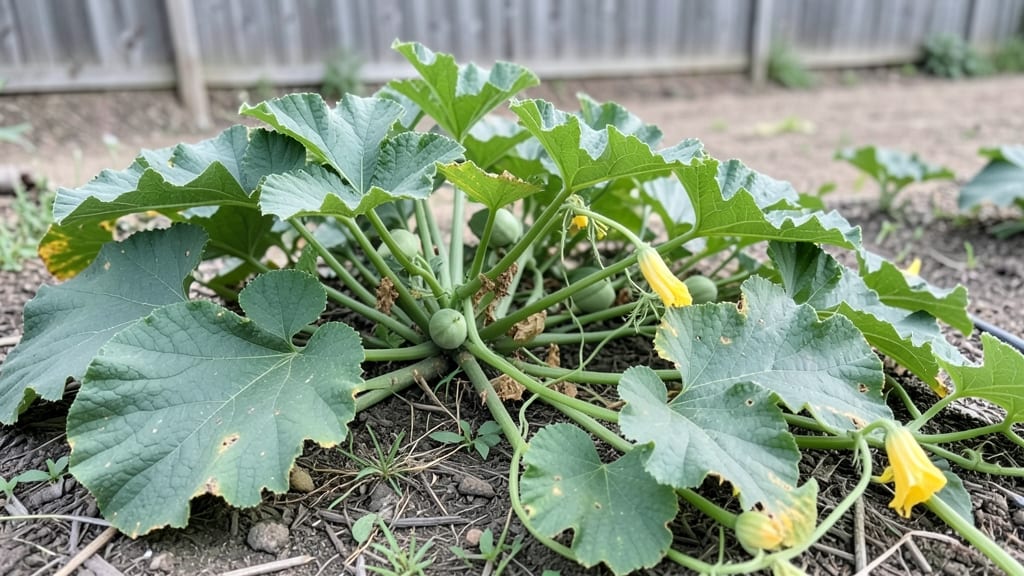
Squash flowers pack impressive nutritional benefits, delivering vitamin C, potassium, and powerful antioxidants like quercetin and lutein. Their delicate flavor enhances dishes while supporting immune function, digestion, and skin health.
These edible blooms stand out for their nutrient density—just one cup provides nearly 20% of your daily vitamin C needs and contains bioactive compounds that fight inflammation. 🌟 I’ve found they work beautifully in both savory and sweet recipes, from fritters to salads, while their traditional uses in folk medicine highlight their digestive and skin-healing properties.
The best part? They’re easy to grow, making them a sustainable addition to any garden or kitchen.
For those curious about their versatility, squash flowers also contain beta-carotene, which converts to vitamin A—great for eye health. Their mild, slightly sweet taste pairs well with herbs like basil or thyme, and their vibrant color adds visual appeal to any plate.
Whether you're harvesting from your garden or buying from a farmer's market, these flowers offer both culinary creativity and health perks.
💡 In This Article
- Nutritional Breakdown of Squash Flowers
- Culinary and Medicinal Uses of Squash Flowers
Nutritional breakdown of squash flowers
Squash flowers are a nutritional powerhouse, packing a dense profile of essential vitamins and minerals in a delicate package. A single cup—about 30 grams of fresh petals—delivers roughly 20% of your daily vitamin C needs, along with significant amounts of vitamin A (through beta-carotene), potassium, and magnesium.
This vitamin C content isn't just impressive—it's comparable to other edible flowers like nasturtiums but with a more balanced mineral profile. The vitamin C works synergistically with the flower's antioxidants to boost collagen production and immune function.
The antioxidant profile is where squash flowers truly shine. They contain quercetin (a flavonoid with anti-inflammatory properties), lutein (beneficial for eye health), and beta-carotene (which converts to vitamin A). These compounds work together to combat oxidative stress, reduce inflammation, and support cellular repair.
For comparison, one cup of squash flowers provides nearly 30% of the lutein found in a cup of kale—without the strong flavor. The lutein content makes them particularly valuable for maintaining macular health and reducing the risk of age-related vision decline.
Potassium levels in squash flowers are noteworthy too, with about 150 milligrams per cup—similar to a small banana. This mineral plays a crucial role in maintaining healthy blood pressure and muscle function.
The magnesium content, while smaller (10 milligrams per cup), contributes to nerve function and stress reduction. Together, these nutrients make squash flowers a unique addition to any diet, especially for those seeking plant-based sources of these essential compounds.
The bioavailability of these nutrients is also high, meaning your body can efficiently absorb them when consumed.
What makes squash flowers particularly interesting is their low calorie and low carbohydrate profile—just 10 calories per cup—while still delivering substantial nutritional value. This makes them an excellent addition to weight-conscious diets or low-carb meal plans.
The combination of antioxidants, vitamins, and minerals in such a low-calorie package is rare in the plant kingdom. For example, while other edible flowers like violets are rich in antioxidants, they typically lack the same depth of vitamin and mineral content as squash flowers.
The skin benefits are equally compelling. The vitamin C and lutein work together to promote skin elasticity and reduce signs of aging by protecting against UV damage. The anti-inflammatory properties of quercetin can also help calm skin irritations, making these flowers a natural remedy for sensitive skin.
In traditional medicine, squash flowers have been used topically for minor wounds and rashes, thanks to their antibacterial properties. This dual functionality—both edible and medicinal—makes them a standout in the world of edible flowers.
One often overlooked aspect is how these nutrients work together. For instance, the vitamin C enhances iron absorption from plant sources, while the lutein and beta-carotene support overall cellular health. This synergy is what makes squash flowers more than just a decorative element—they're a functional food with measurable health benefits.
Whether you're using them in salads, fritters, or as a garnish, you're also getting a nutrient boost that rivals many leafy greens. 💫