Flowers
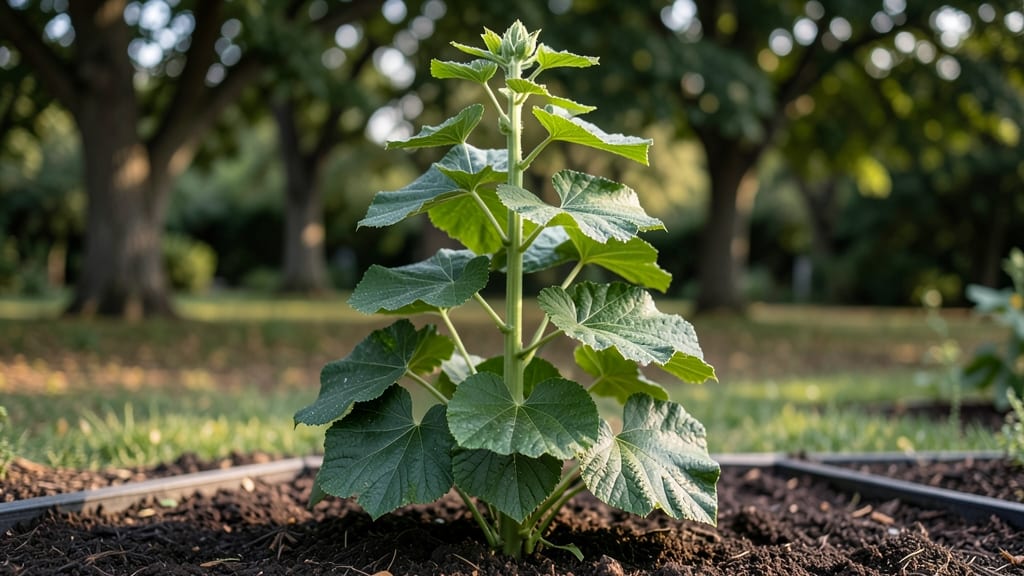
My hollyhock flower leaves were once a mystery—until I learned they’re not just decorative but edible too. 🌿 These velvety, rustling leaves pack a mild spinach-like flavor, and knowing which ones to harvest (young, tender ones) makes all the difference between a great meal and a bitter disappointment.
The key is timing: pick leaves before they get too fibrous, and you’ll unlock a fresh, garden-to-plate experience.
Healthy hollyhock leaves should be a deep, vibrant green with a slightly fuzzy texture—never yellowed or spotted. If you see discoloration, it’s usually a sign of overwatering or pests like aphids.
Pruning regularly keeps plants bushy and encourages more tender growth, so snip back leggy stems in early summer to keep your harvest steady. I’ve found that harvesting leaves in the morning gives them the best flavor and texture.
Once you start harvesting, you’ll notice your plants respond by putting out even more growth—almost like they’re rewarding you. The leaves hold up well in salads, sautéed dishes, or even as a garnish, adding a unique, earthy touch.
Just avoid leaves near the base if they’re tough or woody, and always wash them thoroughly before using. With the right care, your hollyhocks will keep producing harvestable leaves all season long.
This works for both garden beds and containers, making it perfect for small spaces or urban gardens. The more you harvest, the more your plants will thrive—just balance it with proper watering and occasional fertilizer to keep them happy. Here’s how to keep your hollyhocks producing edible leaves all summer.
Hidden Culprits Behind Leaf Issues
Before you harvest those lush hollyhock leaves for your salads or soups, it’s smart to understand why their health might decline—or why they might not be safe to eat in the first place. 🌱🛡️ Below, we break down the key reasons hollyhock leaves develop problems, from environmental stressors to pest attacks, so you can take action and keep your garden thriving.
Hollyhocks thrive in moderate climates, but extreme heat, cold snaps, or sudden weather shifts can wreak havoc on their leaves. Here’s how:
- Heat Stress (Wilting or Yellowing Leaves)
- Hollyhocks are cool-season plants and struggle when temperatures exceed 85°F (29°C).
- Why it happens: High heat accelerates transpiration (water loss through leaves), causing them to wilt or develop brown, crispy edges.
- Actionable fix:
- Provide afternoon shade (especially in hot climates).
- Mulch heavily to retain soil moisture.
- Water deeply at the base (not overhead) to prevent fungal issues.
- Cold Damage (Blackened or Mushy Leaves)
- Frosts below 32°F (0°C) can kill tender leaves, leaving them blackened or slimy.
- Why it happens: Ice crystals rupture cell walls, causing irreversible damage.
- Actionable fix:
- Plant in sheltered spots or use cloches (glass jars) in early spring/fall.
- Avoid watering before a freeze—wet leaves = ice buildup.
Hollyhocks hate soggy roots, yet many gardeners drown them without realizing it. Here’s the science:
- Root Rot (Yellow, Drooping Leaves) - Why it happens: Hollyhocks prefer well-draining soil.
If water pools around roots, fungal pathogens like Phytophthora thrive, cutting off nutrient flow. - Signs to watch for: - Leaves turn yellow (starting from the bottom). - Stems feel mushy when pressed. - Foul odor near the base.
- Actionable fix:
- Test your soil: Stick a finger 2 inches deep—if it’s damp after 24 hours, you’re overwatering.
- Amend soil with perlite or sand if it’s clay-heavy.
- Water only when the top inch is dry (use a moisture meter for precision).
Hollyhocks are magnets for pests, and some can turn leaves into an inedible mess. Here’s what’s likely chewing (or infecting) your plants:
| Pest/Disease | Symptoms | Why It Happens | Quick Fix |
|---|---|---|---|
| Aphids | Sticky residue (honeydew), curled leaves | Sap-sucking insects weaken leaves, making them less nutritious. | Spray with soapy water or introduce ladybugs. |
| Japanese Beetles | Skeletonized leaves (chewed edges) | Adults devour foliage, leaving lace-like patterns. | Handpick beetles or use neem oil. |
| Powdery Mildew | White, powdery coating on leaves | Fungal spores thrive in humid, shady conditions. | Prune for airflow; spray baking soda mix (1 tsp per quart of water). |
| Cabbage Worms | Large, ragged holes in leaves | Caterpillars munch on young leaves, making them unsafe to eat. | Apply Bt (Bacillus thuringiensis) spray. |
Hollyhocks are heavy feeders, and poor soil can lead to stunted growth or discolored leaves. Here’s how to spot the problem:
- Yellowing Between Veins (Iron Deficiency – "Chlorosis")
- Why it happens: Hollyhocks need acidic to neutral soil (pH 6.0–7.5). In alkaline soil, iron becomes locked, preventing chlorophyll production.
- Fix: Add chelated iron or compost to the soil.
- Purple-Streaked Leaves (Phosphorus Deficiency)
- Why it happens: Phosphorus aids root and flower development. A deficiency stunts growth and causes dark purple veins.
- Fix: Apply a bone meal fertilizer (high in phosphorus).
- Brown Leaf Tips (Potassium or Calcium Deficiency)
- Why it happens: These minerals regulate water balance. Lack of them leads to crispy, dead edges.
- Fix: Use wood ash (calcium) or kelp meal (potassium).
If your hollyhocks are struggling, root health is often the culprit. Compacted or nutrient-poor soil strangles growth:
- Why it happens:
- Clay or hardpan soil prevents roots from expanding, limiting water/nutrient uptake.
- Lack of organic matter reduces microbe activity, which hollyhocks rely on for nutrients.
- Actionable fix:
- Double-dig the soil (loosen 12–18 inches deep).
- Mix in compost or aged manure before planting.
- Aerate annually with a garden fork.
Hollyhocks are prone to leaf-spotting diseases, which can make them inedible if severe:
- Alternaria Leaf Spot
- Symptoms: Dark brown spots with yellow halos.
- Why it happens: Fungal spores spread in wet, humid conditions.
- Fix: Remove infected leaves; space plants for airflow.
- Bacterial Leaf Spot
- Symptoms: Water-soaked spots that ooze, turning yellow/brown.
- Why it happens: Bacteria (Xanthomonas) thrive in overhead watering.
- Fix: Sterilize pruners with rubbing alcohol; avoid wetting leaves.
Before eating hollyhock leaves, inspect for: ✅ No chemical residues (if grown near treated lawns). ✅ No pest damage (chewed or spotted leaves = discard). ✅ Firm, vibrant green (wilting or yellow = overripe).
Best harvest time: Morning, after dew has dried but before the heat of the day. Use clean, sharp scissors to avoid damaging the plant.
By addressing these root causes, you’ll ensure your hollyhock leaves stay lush, pest-free, and safe for your kitchen! 🍽️🌿
Fixing Hollyhock Leaf Issues
Hollyhock leaves are a versatile addition to your garden and kitchen, but they can face common challenges like pests, diseases, or environmental stress. Here’s how to diagnose and address these issues—plus tips to keep your plants thriving for future harvests.
Hollyhocks are vulnerable to aphids, Japanese beetles, and spider mites, which can weaken leaves and reduce yield. Here’s how to tackle them:
**🔥 Aphids & Soft-Bodied Pests
- Fix: Spray infested leaves with a soapy water solution (1 tsp mild dish soap per quart of water) or introduce ladybugs, their natural predators.
- Prevention:
- Plant
- Inspect new plants before bringing them home—quarantine if needed.
🍳 Japanese Beetles & Chewing Insects
- Fix:
- Handpick beetles early in the morning (drop them in soapy water).
- Use
- Avoid over-fertilizing with nitrogen (beetles love lush foliage).
- Trap beetles with
🕷️ Spider Mites (Tiny Webbing)
- Fix:
- Blast mites off leaves with a
- Apply horticultural oil (follow label instructions for coverage).
- Keep plants
Hollyhocks are prone to powdery mildew and rust, which turn leaves yellow or white. Act fast to save your crop!
🍄 Powdery Mildew (White Dusty Coating)
- Fix:
- Prune
- Spray with a baking soda mix (1 tbsp baking soda + 1 quart water + few drops of soap).
🔥 Rust (Orange Spots on Leaves)
- Fix:
- Remove and destroy
- Apply copper fungicide (follow package rates) for severe cases.
- Choose
If leaves turn yellow, wilt, or drop prematurely, the issue is likely watering, soil, or sunlight.
💧 Over/Under-Watering
- Fix:
- Drooping leaves? → Underwatering. Water deeply 1–2 times per week (adjust for climate).
- Use
☀️ Sunburn or Heat Stress (Brown Scorch Marks)
- Fix:
- Move plants to
- Provide drip irrigation to keep leaves cool.
- Plant in
🌿 Nutrient Deficiencies (Pale or Stunted Leaves)
- Fix:
- Purple stems? → Phosphorus deficiency. Use a balanced fertilizer (10-10-10).
- Test soil
Avoid over-harvesting—leave at least half the foliage for energy. - 🌡️ Disease-Proofing: Space plants properly and sanitize pruners with rubbing alcohol between cuts. - 🎯 Companion Planting: Grow garlic, chives, or thyme nearby to deter pests naturally. - 🔄 Crop Rotation: Avoid planting hollyhocks in the same spot yearly** to prevent soil-borne diseases.
With these fixes, your hollyhock leaves will stay healthy, vibrant, and ready for your next culinary adventure! 🌿🍽️
Frequently asked questions about hollyhock leaves
Are hollyhock leaves safe to eat?
Yes, but only when young and tender! The leaves have a mild, spinach-like flavor, but older or fibrous leaves can taste bitter. Always harvest from organic gardens or pesticide-free areas, and avoid leaves near the base that may be tough. Young leaves are perfect for salads, sautéing, or garnishes.
How do I know when hollyhock leaves are ready to harvest?
Pick leaves in the morning when they're fresh and crisp. Look for vibrant green color and a velvety texture—avoid yellowed, spotted, or wilted leaves. Harvest the youngest leaves (top 2-3 inches) first, leaving the rest to keep the plant growing. Never take more than ⅓ of the foliage at once.
Why are my hollyhock leaves turning yellow?
Yellowing leaves usually mean overwatering, nutrient deficiency, or disease. Check the soil—if it's soggy, reduce watering. For yellowing between veins, it's likely iron deficiency (add compost or chelated iron). If yellowing spreads with brown spots, it could be fungal disease (remove affected leaves and improve airflow).
Can I grow hollyhocks in containers?
Choose dwarf varieties like 'Black Night' or 'Chater's Double'. Use a 12-inch pot with well-draining soil and place in full sun to partial shade. Water when the top inch of soil is dry, and fertilize lightly every 4-6 weeks. Containers work well for urban gardens and make harvesting leaves easier.
What's the best way to store harvested hollyhock leaves?
Store leaves in an airtight container lined with a paper towel to absorb moisture. Keep them refrigerated for up to 5 days, or blanch and freeze for longer storage. For freezing, wash, dry thoroughly, chop, and store in ice cube trays with water or olive oil before transferring to a bag. Thaw in the fridge before using.