
Tools
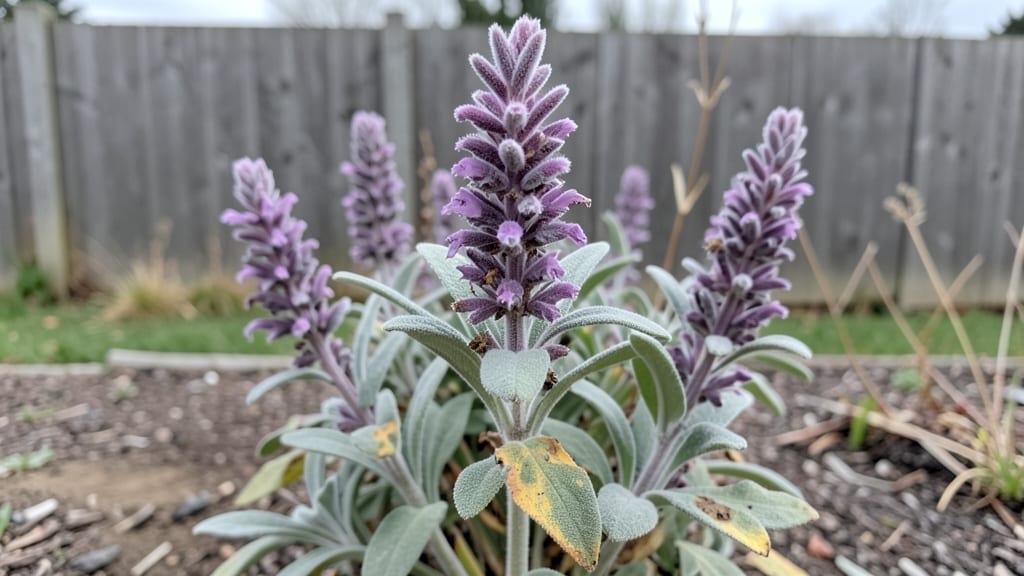
That purple-flowered garden weed might be the most underrated pollinator magnet in your yard. 🌿 I used to yank them out until I realized they’re thriving because they’re perfect—bees, butterflies, and hummingbirds can’t resist their nectar.
Now they’re the stars of my borders, adding color from spring to frost without a single seed packet.
These wild beauties—often wild violets, self-heal, or purple deadnettle—need almost no care. They crowd out weeds naturally, handle drought like champs, and even improve soil health. The key is letting them grow where they want while shaping them into intentional drifts or edging.
It’s like having a free, self-sustaining garden feature that just keeps giving.
By next summer, your garden will hum with activity as pollinators flock to these purple blooms. The flowers stay vibrant longer than many cultivated plants, and their random placement creates that "lived-in" charm that makes gardens feel alive. Plus, you’ll spend less time weeding and more time enjoying the show.
Works in sun or shade, formal beds or wild corners—just give them space to spread. Here’s how to turn those "pests" into your secret weapon for beauty and biodiversity.
The Roots Of Purple Blooms
Purple-flowering weeds aren’t just random intruders—they thrive because of specific garden conditions and ecological advantages. Understanding why they pop up helps you manage (or even harness) their presence. Here’s why these tenacious plants dominate your garden:
Purple-flowering weeds like henbit (Lamium amplexicaule) or purple deadnettle (Lamium purpureum) often flourish in rich, nitrogen-heavy soil.
Here’s why: - Decaying organic matter (compost, manure, or fallen leaves) releases excess nitrogen, fueling fast-growing weeds over slower perennials. - Over-fertilization (especially with synthetic nitrogen) creates a competitive edge—weeds outcompete desirable plants for nutrients. - Compacted or disturbed soil (from foot traffic or tilling) disrupts root systems, leaving gaps for weed seeds to exploit.
Actionable fix: Test your soil’s nitrogen levels (aim for 0.1–0.2% nitrogen for balanced gardens). Use slow-release fertilizers or compost tea to avoid spikes. For heavy weed areas, mulch with straw or wood chips to block sunlight and stabilize soil.
Many purple-flowering weeds, such as creeping charlie (Glechoma hederacea) or ajuga (a decorative but invasive ground cover), thrive in consistently moist conditions.
Why? - Shallow root systems allow them to absorb water quickly, while deep-rooted plants struggle in soggy soil. - Poor drainage creates anaerobic zones where weeds like purple loosestrife (Lythrum salicaria) dominate. - Drip irrigation or hose runoff can create micro-climates of excess moisture, perfect for weed seeds.
Actionable fix:
- Improve drainage with sand or gravel amendments if your soil stays damp.
- Water deeply but less frequently (1–2 inches per week) to encourage deeper roots in your plants.
- Avoid overhead watering—it spreads weed seeds and keeps soil surface moist for germination.
Purple-flowering weeds like bindweed (Convolvulus arvensis) or wild violet (Viola sororia) often take over shady or partially shaded areas because:
- Low light reduces competition—many ornamental plants slow down in shade, while weeds adapt with efficient photosynthesis.
- Dappled sunlight (from trees or structures) creates light flecks that trigger weed seed germination.
- Thin canopies (from newly planted shrubs or struggling perennials) leave bare soil exposed to weed invasion.
Actionable fix:
- Plant densely to block sunlight—use ground covers (like clover or creeping thyme) to outcompete weeds naturally.
- Prune trees/shrubs to open up the garden gradually, avoiding sudden light surges that trigger weed seeds.
- Use shade cloth in high-weed areas to suppress germination while establishing new plants.
Purple-flowering weeds often spread via wind-dispersed seeds, like those of mallow (Malva neglecta) or chickweed (Stellaria media).
Key factors: - Lightweight seeds travel easily, especially in open or sloped gardens. - Disturbed soil (from gardening, erosion, or construction) exposes fresh seedbeds. - Nearby wild areas (like meadows or roadsides) act as seed reservoirs.
Actionable fix:
- Remove weeds before they seed—pull or mow when flowers appear but before they brown.
- Create windbreaks (like tall grasses or hedges) to reduce seed drift.
- Solarize soil (cover with clear plastic for 4–6 weeks in summer) to kill buried seeds.
Some purple-flowering weeds (like self-heal (Prunella vulgaris) or alyssum (Alyssum spp.)) thrive because they’re pollinator superstars.
Here’s the catch: - Bees and butterflies favor their nectar-rich blooms, leading to unintentional seed dispersal via pollinators. - Early spring blooms (like purple deadnettle) emerge when few other flowers are available, giving them a first-mover advantage. - Long flowering seasons (some weeds bloom for months) ensure continuous reproduction.
Actionable fix:
- Plant native pollinator-friendly flowers (like bee balm or coneflowers) to compete for pollinator attention.
- Hand-pollinate desirable plants (if needed) to reduce reliance on weed-pollinated flowers.
- Time your weed removal—pull them after pollinators have visited to avoid harming beneficial insects.
Weeds like bindweed or oxalis (Oxalis stricta) return year after year because of deep, tenacious roots or bulb-like structures.
Why? - Fractured root pieces (from tilling or digging) regrow into new plants. - Rhizomes (horizontal underground stems) store energy for rapid regrowth. - Dormant seeds in the soil bank can lie waiting 5–10+ years before germinating.
Actionable fix:
- Dig deep when removing weeds—aim for 6+ inches below soil level to break rhizomes.
- Solarize or smother persistent weeds with cardboard + mulch for 3–6 months.
- Avoid tilling—it spreads root fragments and stirs up dormant seeds.
Pro Tip: 💡 Weeds reveal garden weaknesses—use them as diagnostics! If purple blooms dominate, your garden may need better mulch, adjusted watering, or competitive plantings. Turn the tables by strategically integrating some pollinator-friendly weeds (like alyssum) into borders while suppressing the worst offenders.
Quick Fixes for Purple Garden Invaders
If your garden has become a stage for unwanted purple blooms, don’t panic—there are practical, eco-friendly ways to reclaim your space while keeping pollinators happy. Below, we’ll tackle the most common causes of these floral intruders and match them with simple, effective solutions.
Whether you’re dealing with aggressive spreaders or just a few stubborn survivors, these steps will help you restore balance without harming beneficial insects.
Cause: Fast-growing weeds like henbit, purple deadnettle, or self-heal thrive in dense, shaded areas where sunlight is scarce. If your garden is packed with competing plants, these weeds seize the opportunity to spread unchecked.
Fix It:
- 🔥 Pull Early, Pull Often – Remove weeds when they’re young and the soil is moist (morning or after rain). Use a weeding fork or gloves to grip the base and avoid breaking off roots.
- 👨🍳 Mulch Strategically – Apply 2–4 inches of organic mulch (straw, wood chips, or shredded leaves) to block sunlight and suppress weed seeds. Replenish every few months.
- 🌡️ Boost Light Exposure – Thin out overgrown plants to let sunlight reach the soil. Weeds like purple flowers can’t compete with 6+ hours of direct light per day.
💡 Pro Tip: If mulching feels tedious, try landscape fabric under mulch for high-traffic areas—but leave edges open to prevent waterlogging.
Cause: Purple-flowering weeds like creeping Charlie (Glechoma hederacea) or moss phlox thrive in damp, poorly draining soil. Overwatering or clay-heavy soil creates the perfect breeding ground.
Fix It:
- ⏰ Improve Soil Drainage – Mix compost or sand into heavy clay soil to loosen it. For containers, ensure pots have drainage holes and use well-draining potting mix.
- 🥘 Reduce Watering Frequency – Water deeply but less often (1–2 times per week) to encourage deep root growth in desired plants. Weeds like moist conditions—starve them by letting the top inch of soil dry out.
- 🔪 Dig Out Persistent Clumps – For stubborn weeds, dig a 6-inch trench around the base and pry them out with a hula hoe or dandelion digger.
💡 Pro Tip: Plant drought-tolerant ground covers (like creeping thyme or clover) to outcompete weeds naturally.
Cause: Some purple-flowering weeds (like lamb’s quarters or violet) are pollinator magnets—but if they’re not native, they can outcompete native plants and disrupt local ecosystems.
Fix It:
- 🎯 Replace with Native Alternatives – Swap invasive purple bloomers for native wildflowers like purple coneflower (Echinacea) or bee balm (Monarda). These provide the same benefits without spreading aggressively.
- 🌡️ Hand-Pollinate Strategically – If you’re keeping a few weeds for pollinators, prune them back before they seed. Use sterile pruners and dispose of cuttings in green waste (not compost).
- 🔥 Solarize Problem Areas – For heavily infested spots, cover soil with clear plastic for 4–6 weeks in hot sun. The trapped heat kills weed seeds and roots.
💡 Pro Tip: Leave one small patch of "weeds" for pollinators if your garden is otherwise barren—just monitor their spread.
- 🌱 Start with Clean Soil – Before planting, solarize or till the soil to kill dormant weed seeds. - 🥗 Use Vinegar Sprays (Sparingly) – A 10% vinegar + 1% dish soap spray (applied on a dry, sunny day) can kill young weeds. ⚠️ Avoid spraying desirable plants—vinegar is non-selective! - 🐛 Encourage Beneficial Insects – Ladybugs and parasitic wasps feed on weed seeds.
Plant dill, fennel, or yarrow to attract them. - 📅 Schedule Regular Maintenance – Dedicate 10–15 minutes weekly to weeding. Consistency beats occasional deep-cleaning sessions.
Final Thought: Purple-flowering weeds aren’t all bad—they’re just opportunists. With the right mix of prevention, competition, and targeted removal, you can enjoy a garden that’s beautiful, balanced, and buzzing with pollinators—without the drama. 🌿✨
Frequently asked questions
Are purple-flowering weeds actually harmful to my garden?
Not necessarily! Many purple bloomers like wild violets or self-heal are harmless and even beneficial. They attract pollinators, suppress soil erosion, and improve soil health. The key is distinguishing between aggressive invaders (like bindweed) and non-invasive beauties that can coexist with your plants.
Can I intentionally plant purple-flowering weeds for pollinators?
Native purple bloomers like purple coneflower or bee balm are excellent pollinator magnets. If you choose non-invasive species, they’ll thrive without spreading uncontrollably. Just avoid aggressive spreaders like creeping Charlie—they’ll take over your garden faster than bees can visit!
What’s the best way to remove purple-flowering weeds without chemicals?
Use the 3-step approach:
- Pull early (before seeds form),
- Mulch heavily (2-4 inches of straw or wood chips), and
- Hand-weed consistently (10 minutes weekly works wonders). For stubborn roots, try solarization—cover the area with clear plastic for 4-6 weeks to kill everything beneath.
Why do purple-flowering weeds appear in my garden every year?
Most likely due to dormant seeds in your soil (some stay viable for 10+ yearsrhizomes (underground stems). They thrive in disturbed soil, excess nitrogen, or shady spots. The good news? Proper mulching and competitive planting can break their cycle within 1-2 seasons.
How can I tell if a purple-flowering plant is a weed or a beneficial wildflower?
Check the growth habit: Weeds often have aggressive spreaders (like creeping roots or prolific seeding), while wildflowers stay contained. Native plants (like lupine or black-eyed Susan) have deep roots and support ecosystems—weeds typically don’t. When in doubt, research the species or consult a local native plant society.