
Pests
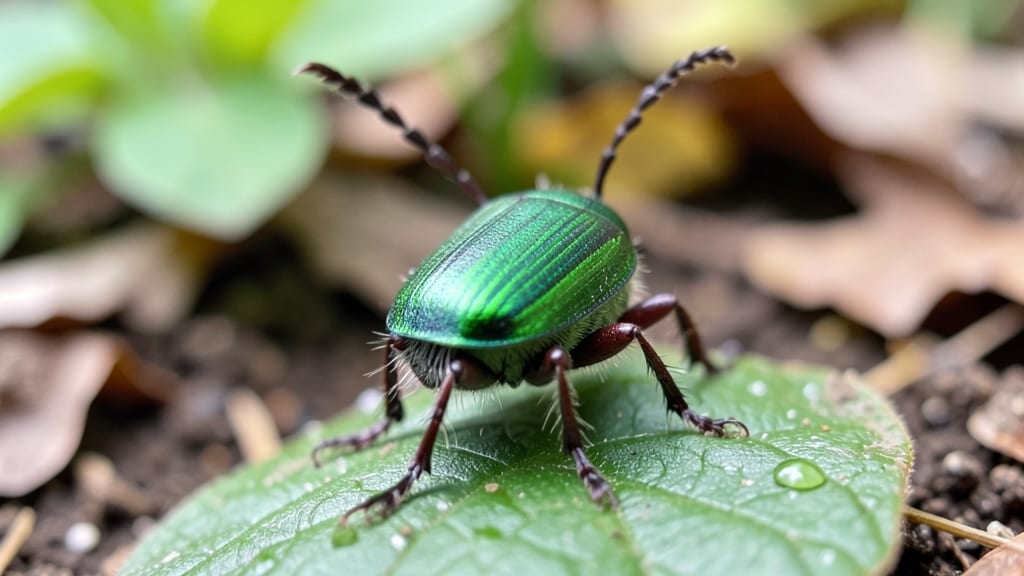
Green flower beetles might look pretty, but they’ll strip your roses and fruit trees bare in no time. 🌿 I’ve watched these shiny green invaders turn lush blooms into skeleton leaves, and there’s a smarter way to handle them than just reaching for pesticides.
The secret lies in understanding their lifecycle and using targeted, organic methods that actually work.
These beetles thrive in warm weather, chewing through petals and young fruit while leaving behind a sticky mess. Most gardeners don’t realize they’re not just a cosmetic problem—they can weaken plants enough to invite diseases.
The good news? You can outsmart them with simple traps, companion plants, and timing that disrupts their feeding patterns.
By the end of this, you’ll know exactly where to look for eggs, how to lure adults away from your prize plants, and which natural predators to encourage. Your roses will stay vibrant, your fruit will ripen undamaged, and you’ll skip the chemical cleanup that harms bees and butterflies too.
Works for roses, fruit trees, and even vegetable gardens where these beetles show up. Let’s get your garden back in balance—without losing the pollinators that keep everything growing.
Root Causes Of Beetle Infestations
Green flower beetles—often mistaken for harmless pollinators—can become a nuisance when their populations surge, particularly in gardens, greenhouses, or agricultural fields. Understanding why these beetles thrive in certain conditions is key to managing them effectively. Below, we break down the primary factors that trigger their overpopulation and garden damage.
Green flower beetles, including species like the Cotinis nitida (green June beetle) or Mormolyce phyllodes (lesser corn rootworm), are attracted to specific plants that serve as food sources or breeding grounds. When these host plants are readily available—whether due to poor garden planning or seasonal blooms—the beetles multiply rapidly.
- 🌿 Common Host Plants:
- Corn (a favorite for larval stages)
- Squash, pumpkins, and cucurbits (egg-laying sites)
- Roses, lilacs, and other flowering perennials (adult feeding)
- Grasses and clover (larval habitats)
- 💡 Actionable Fix: Rotate crops annually, remove plant debris after harvest, and avoid planting monocultures (large patches of the same plant). Interplanting with non-host species like marigolds or basil can disrupt their life cycle.
Beetles thrive in environments with consistent warmth and moisture, as these conditions accelerate their life cycle—from egg to adult—in as little as 30–60 days. Regions with hot summers and high humidity provide ideal breeding grounds, while drought or extreme cold can stunt their populations.
| Climate Factor | Impact on Beetles | What You Can Do |
|---|---|---|
| 🔥 High Temperatures (75–95°F) | Speeds up larval development and adult activity. | Use row covers or reflective mulch to deter adults during peak heat. |
| 💧 High Humidity (>60%) | Keeps soil moist for egg-laying and larval survival. | Improve drainage in garden beds to reduce ideal breeding zones. |
| 🌧️ Frequent Rainfall | Washes eggs into soil, ensuring high hatch rates. | Install gutters or divert water away from garden edges. |
Healthy soil supports a balanced ecosystem, but compacted, nutrient-poor, or overly fertile soil can inadvertently encourage beetle infestations. Larvae (grubs) prefer loose, organic-rich soil where they can feed on roots undetected. Meanwhile, excessive nitrogen fertilizers attract adult beetles seeking easy meals.
- 🔍 Signs of Problematic Soil:
- Grubs visible when digging or watering
- Wilting plants despite adequate water
- Adult beetles congregating near fresh compost
- 🌱 Soil Solutions:
- Test soil pH and amend with lime or sulfur if needed (beetles prefer slightly acidic to neutral soil).
- Avoid over-fertilizing; use slow-release, organic options like compost tea.
- Encourage beneficial nematodes (Steinernema spp.) to target grubs naturally.
Unintentional human actions—such as lawn care, irrigation, or even composting—can create perfect conditions for beetles. For example, mowing grass too short exposes grubs to predators and makes them easier to spot (and accidentally spread). Similarly, leaving compost piles near gardens can attract adults looking for a protein-rich meal.
- 🚜 Common Offenders:
- Excessive irrigation (keeps soil too moist for larvae)
- Using grass clippings as mulch (harbors eggs)
- Planting near woodpiles or leaf litter (shelter for adults)
- ✨ Smart Landscape Tweaks:
- Mow lawns at 3–4 inches high to deter egg-laying.
- Store compost in sealed bins away from garden edges.
- Use drip irrigation to target plants directly (reduces soil saturation).
💡 Pro Tip: Monitor beetle activity during dusk and dawn, when they’re most active. Early detection—like spotting chewed leaves or grubs—lets you intervene before populations explode.
Natural Ways to Manage Garden Invaders
Encountering a green flower beetle in your garden isn’t just annoying—it can damage prized plants and disrupt your green thumb’s hard work. But before reaching for harsh chemicals, try these effective, eco-friendly solutions tailored to common causes.
From manual removal to long-term prevention, these methods keep your garden thriving without harming pollinators or the planet.
If your flowers or veggies are under siege, act fast with these immediate fixes:
🔥 Handpick & Relocate (Best for Small Infestations)
For light invasions, manual removal is the simplest solution. Here’s how:
- 🕵️♂️ Scout early: Check plants in the morning when beetles are sluggish (they’re easier to spot!). Look under leaves and near blooms.
- 🧤 Wear gloves: Some gardeners report beetles can pinch—though they’re harmless, the surprise isn’t fun!
- 🪣 Drop into soapy water: Place beetles in a bucket with 1 tablespoon of dish soap per gallon of water to dissolve their waxy coating (they’ll drown instantly). Pro tip: Use a dropper to avoid splashing soap on plants.
- 🌿 Relocate (optional): If you prefer, transfer beetles to a wildflower patch or native plant area far from your garden—just avoid releasing them near crops.
🍳 Diatomaceous Earth (DE) Barrier (For Heavy Infestations)
This non-toxic powder kills beetles by dehydrating them. Use it on:
- Soil around plants
- Leaf surfaces (apply lightly with a duster)
- Greenhouse floors or potted plants
⚠️ Caution: Reapply after rain or watering, and avoid inhaling the dust. Best for: Greenhouse gardens or container plants.
👨🍳 Neem Oil Spray (Organic Repellent)
A multi-purpose insecticide, neem oil disrupts beetle life cycles and deters future visitors. Mix:
- 1 tbsp neem oil
- 1 tsp mild soap (as an emulsifier)
- 1 quart water
Spray evenly on both sides of leaves at dusk (beetles are less active then). Reapply every 5–7 days or after rain. ✨ Bonus: It also prevents fungal diseases!
Break the beetle cycle with these long-term strategies:
🌡️ Adjust Watering Habits (Deters Egg-Laying)
Green flower beetles love moist, fertile soil—their ideal spot to lay eggs. Fix it:
- Water deeply but infrequently (early morning is best). Avoid soggy soil.
- Improve drainage in garden beds by adding compost or sand.
- Use mulch (straw or wood chips) to regulate soil moisture.
💡 Pro Tip: If your garden is consistently damp, consider raised beds or containers for susceptible plants like marigolds or zinnias.
🎯 Plant Smart (Confuse & Repel Beetles)
Beetles hate diversity. Create a beetle-unfriendly garden with:
- 🌼 Strong-scented herbs: Basil, mint, and thyme mask plant smells beetles use to find hosts.
- 🌿 Trap plants: Sacrifice a few nasturtiums or sunflowers in a separate area—they attract beetles away from prized blooms.
- 🍅 Avoid monocultures: Planting single-species rows (like all roses together) makes it easier for beetles to locate and feast.
🔪 Introduce Beneficial Predators (Nature’s Pest Control)
Let good bugs handle the bad ones! These allies eat green flower beetles:
| Predator | How to Attract |
|---|---|
| 🐞 Ladybugs | Plant dill, fennel, or yarrow; avoid pesticides. |
| 🕷️ Spiders | Leave leaf litter in corners of the garden (they thrive in undisturbed areas). |
| 🐸 Frogs/Toads | Add a small water feature or shallow dish with rocks for them to hide under. |
⏰ Timing Matters: Release predators at dusk when they’re most active.
✨ Seasonal Maintenance (Year-Round Defense)
Beetles have short lifespans but big appetites. Stay ahead with:
- 🍂 Fall cleanup: Remove dead plants, leaf debris, and mulch where beetles overwinter.
- 🌱 Early spring: Apply beneficial nematodes (like Steinernema carpocapsae) to soil to target beetle larvae.
- 🌿 Rotate crops: Don’t plant the same flowers/veggies in the same spot yearly—beetles remember!
With these targeted, chemical-free methods, you’ll reclaim your garden without sacrificing beauty or biodiversity. Remember: Consistency is key—combine immediate action with preventive habits for the best results. Happy gardening! 🌿🐞
Frequently asked questions
Are green flower beetles actually harmful to my garden?
Yes, they can be! While adults may seem harmless, they devour petals and young leaves, weakening plants. Larvae (grubs) feed on roots, potentially killing seedlings. Their feeding also creates entry points for diseases. The damage adds up quickly during warm seasons, especially on roses, fruit trees, and squash.
How do I tell if my plants have green flower beetle larvae?
Look for these signs: wilting plants despite proper watering, chewed roots when you dig up seedlings, and white grubs (C-shaped larvae) in moist soil. You might also spot bird activity - birds love to eat these grubs! Check soil around corn, squash, and grassy areas where larvae thrive.
Will beer traps actually work for green flower beetles?
Yes, but with some adjustments! Traditional beer traps work best for Japanese beetles. For green flower beetles, try apple cider vinegar traps instead - they're more effective. Mix 1 part vinegar to 3 parts water with a few drops of dish soap, and place shallow containers near infested plants. Refresh every 2-3 days for best results.
Can I use chemical pesticides safely around my garden?
Use with extreme caution! Most broad-spectrum pesticides harm beneficial insects like bees and ladybugs. If you must use chemicals, opt for targeted insecticides like pyrethrin-based sprays applied at dusk when pollinators are inactive. Always follow label instructions precisely and avoid treating plants in bloom. Organic methods are safer for your garden ecosystem.
When is the best time to treat for green flower beetles?
Act during their peak activity periods: late afternoon to dusk in summer. Treat before they lay eggs in spring (look for adults in May-June) and after harvest when larvae are most active. Early morning applications work too, as beetles are sluggish then. Consistency is key - repeat treatments every 7-10 days during active seasons.