
Blooming
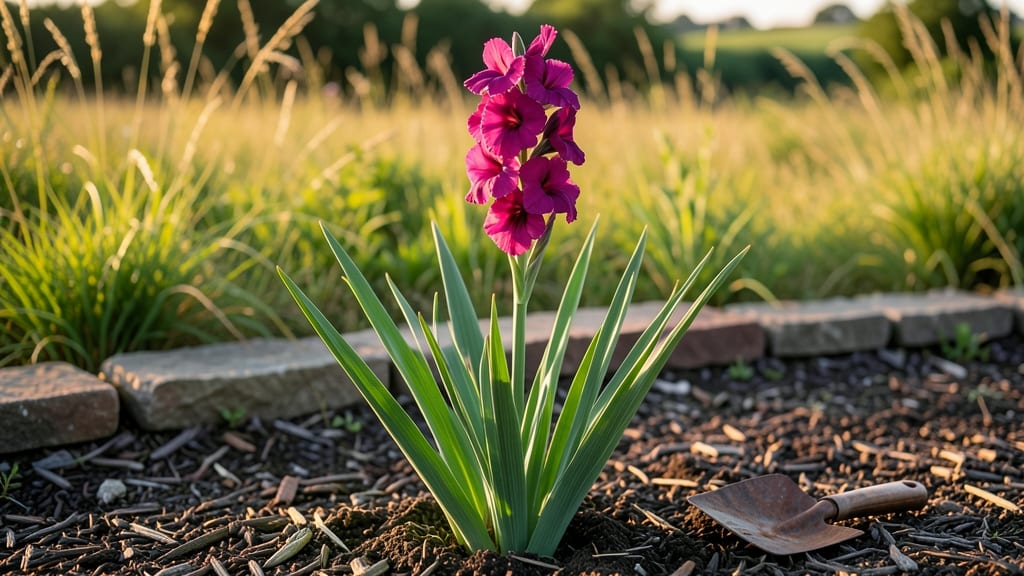
Your gladiolus flowering season starts with a simple timing trick—planting corms in spring triggers those iconic sword-shaped blooms 🌸 to peak in summer and fall.
If you’ve ever dreamed of a garden bursting with vibrant sword-shaped blooms in summer and fall, timing your gladiolus planting just right is the secret weapon you’ve been missing.
These dramatic flowers thrive on precision: plant too early or late, and you’ll miss their show-stopping displays. The key? Planting in April or May (after your last frost) ensures blooms align with peak summer heat and fall coolness—no matter your USDA zone.
Below, I’ll break down the exact month-by-month schedule to guarantee non-stop blooms, plus soil prep tips and seasonal care to keep your gladiolus looking its best.
Gladiolus flowering season by USDA hardiness Zones: when to plant for summer/fall blooms
Gladiolus flowers are nature’s fireworks—dramatic, colorful, and best enjoyed when planted with surgical precision. Unlike many perennials, these seasonal powerhouses demand zone-specific timing to deliver peak summer and fall blooms.
Plant too early, and you risk rot in cold soils; too late, and you’ll miss the heatwave that triggers their showstopping spikes. The secret lies in matching your USDA zone with the ideal planting window for your chosen varieties.
For example, early varieties like 'Green Star' thrive when planted in March for Zone 6, while late-blooming types such as 'Black Pearl' need April–May in Zone 8 to avoid summer wilting.
Even the corm spacing shifts by zone—10–12 corms per square foot in cold climates (Zones 3–5) vs. just 5–7 in warm zones (10+). Let’s break down the exact month-by-month schedule to guarantee blooms that align with your local climate’s peak heat and cool transitions.
Notice how Zone 10+ gardeners plant in January–February to escape summer’s intense heat, while Zone 3–5 growers wait until April–May when soil warms to 60°F. This timing ensures blooms coincide with your region’s hottest, driest months—when gladiolus floral spikes reach their maximum height and vibrancy.
For example, 'White Prosperity' planted in March (Zone 6) will burst into bloom by early July, just as daytime temps peak.
The corm density also adjusts by zone to prevent crowding stress. In cooler climates (Zones 3–5), packing 10–12 corms per square foot compensates for slower growth, while warmer zones (8–9) only need 6–8 to avoid competing roots.
Pro tip: Use a stick or dowel to mark rows—gladiolus roots are fragile, and disturbing them can stunt blooms. Even the mulching depth varies: 3–4 inches in Zone 4 vs. just 1–2 inches in Zone 9.
Climate quirks demand extra attention. In Zone 8–9, planting too early (e.g., January) can trigger corm rot before soil warms. Instead, opt for raised beds with sandy loam to improve drainage.
Meanwhile, Zone 10+ gardeners must use shade cloth (30–50%) during peak summer to prevent leaf scorch, which robs energy from blooms. These adjustments turn climate challenges into bloom opportunities.
For extended-season blooms, stagger plantings by 2–3 weeks. For instance, in Zone 6, plant one-third of corms in March, another third in late April, and the final batch in early May. This creates a continuous display from June through September.
Pair early varieties like 'Peter Pears' with late bloomers such as 'Green Gold' to bridge gaps. Just ensure each batch gets full sun (6+ hours daily)—gladiolus floral spikes need this to reach their full height.
Watering strategies also shift by zone. In Zone 3–5, deep soaks twice weekly after sprouts emerge prevent drought stress, while Zone 10+ requires daily misting in summer to mimic humidity. Overwatering is the #1 killer—waterlogged soil causes corm rot, especially in clay-heavy soils. Test drainage
Month-by-month gladiolus planting calendar: step-by-step timing for non-stop blooms
Timing is everything when it comes to gladiolus flowering season. These dramatic sword-shaped blooms reward precise planting with months of summer-to-fall color. Whether you're a first-time grower or a seasoned gardener, following this monthly planting calendar ensures your corms produce the tallest, most vibrant spikes year after year.
Gladiolus thrive on consistency—from soil preparation to watering schedules and post-bloom care. Each month brings critical tasks that directly impact your flowering season. Skip a step, and you might miss out on those show-stopping blooms or even lose your corms entirely.
Soil test for pH 6.0–6.8; amend with compost. Plant corms 4–6 inches deep, 6 inches apart in full sun.
Pro Tip: Use a stick to mark rows—gladiolus roots are fragile.
Water deeply 2x/week after sprouts appear. Side-dress with 5-10-10 fertilizer when spikes reach 6 inches.
Warning: Overwatering causes corm rot; ensure drainage.
Deadhead spent blooms to redirect energy to corms. Reduce watering as foliage yellows.
Key Fact: Corms mature underground—don’t harvest until foliage dies back completely.
Dig up corms, cure in shade for 2 weeks, then store in peat moss at 50–60°F.
Advanced Tip: Label varieties—some (e.g., 'Picasso') produce multiple spikes per corm.
Don’t let gladiolus flowering season pass you by because you missed a critical step. For example, in Zones 6–9, planting in March–April sets the stage for blooms by July. Meanwhile, gardeners in Zones 3–5 must wait until May–June to avoid frost damage to tender shoots.
One of my favorite tricks is to stagger plantings every 2–3 weeks for continuous blooms. Start with early varieties like 'Green Star' in March, then follow with 'White Prosperity' in April. This ensures your garden stays vibrant from summer through fall.
After blooms fade, resist the urge to dig up corms too soon. Let the foliage yellow naturally—this process feeds nutrients back into the corm for next year’s flowering season. Once brown, carefully lift and store them in a cool, dry place until planting time rolls around again.
With this month-by-month gladiolus calendar, you’ll transform your garden into a non-stop bloom machine, from the first sword-shaped spike in summer to the last autumn bloom. The key? Staying one step ahead of the gladiolus flowering season—just like the pros.