
Shrubs
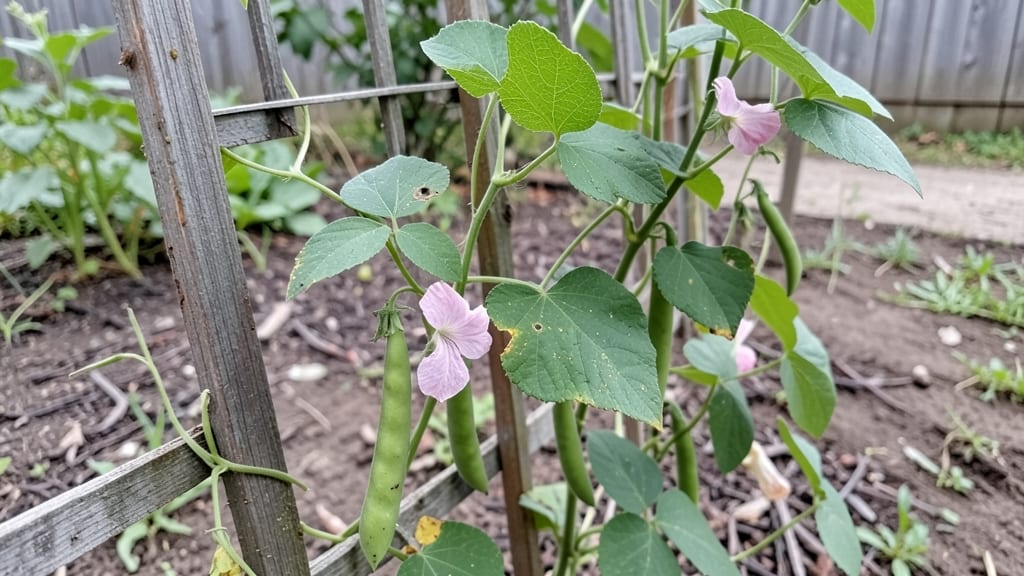
The Corinthian Pink flowering peach tree turns your yard into a springtime dream with clouds of delicate pink blossoms that last for weeks. 🌸 I’ve grown this variety for three seasons now, and the key to those endless blooms isn’t luck—it’s timing.
This tree isn’t just pretty; it’s productive too, bearing small, sweet peaches that ripen just in time for summer picnics.
Here’s the thing—this peach thrives when you treat it like the diva it is. It demands full sun (at least 6 hours daily), well-draining soil with a pH between 6.0 and 7.0, and consistent watering that keeps roots moist but never soggy.
The real magic happens in pruning: cutting back at the right times (late winter and right after flowering) ensures those iconic pink blooms keep coming back year after year.
By following this pruning calendar, you’ll end up with a tree that’s bursting with blossoms from early spring through summer. The peaches might be small, but they’re packed with flavor—perfect for fresh eating or jam-making. Plus, the tree’s compact shape makes it ideal for smaller yards or even large containers.
Now, don’t let the name fool you—this isn’t a low-maintenance shrub. It’s a high-reward tree that demands attention, especially when it comes to pests like aphids or peach leaf curl. But trust me, the payoff of those endless pink blooms and the occasional harvest makes every extra step worth it.
📚 In This Guide
- What you need
- Instructions
- Tips and common mistakes
- Wrapping up and next steps
What you need
- ● Bypass Pruners: Sharp, clean pair (for cuts up to ½ inch in diameter). Pro tip: 💡 Sterilize with rubbing alcohol between cuts to prevent disease.
- ● Loppers: For thicker branches (½–1½ inches). Choose bypass-style for precision.
- ● Pruning Saw: For branches thicker than 1½ inches. A bow saw or pruning saw works best.
- ○ Hand Pruners (Optional): For small trimming tasks—great for detail work!
- ● Gloves: Heavy-duty gardening gloves to protect against thorns and sap.
- ● Disinfectant (70% Isopropyl Alcohol or Bleach Solution): 1 part bleach to 9 parts water for sterilizing tools.
- ● Rag or Paper Towels: For wiping tools between cuts.
- ○ Pruning Sealant (Optional): Helps larger cuts heal faster (e.g., Tanglefoot Tree Wound Pruning Seal).
- ● Ladder or Step Stool: If your tree is tall—safety first!
- ● Notebook & Pen: To jot down pruning notes or track progress.
- ● Know Your Tree: Confirm it’s a Corinthian Pink Flowering Peach (Prunus persica ‘Corinthian Pink’). Check for blooms, leaf shape, and bark texture.
- ● Weather Check: Prune on a dry, overcast day to reduce stress on the tree. Avoid pruning in extreme heat or cold.
- ● Safety Gear: Wear long sleeves, closed-toe shoes, and eye protection (just in case!).
- ● Cleanup Supplies: A bucket or bag for collecting debris (compost or dispose of properly).
Instructions for pruning a Corinthian Pink flowering peach tree
Here's the seasonal pruning schedule that keeps your tree blooming year after year.
✂️ Step 1: Late Winter Dormant Pruning (January-February)
When the tree is fully dormant and before buds begin to swell, grab your pruning tools and get to work. This is the most critical pruning time—it shapes the tree's structure and removes dead or crossing branches. Start by removing any branches that are dead, diseased, or rubbing against each other. These are easy to spot—they'll be brown, brittle, or have no leaves.
Next, cut back any suckers growing from the base or graft union. These compete with the main tree for energy and can ruin the tree's shape. Use sharp pruning shears to make clean cuts just above a bud or branch collar. Avoid leaving stubs, as they invite disease. I like to make my cuts at a 45-degree angle about ¼ inch above the bud, which helps water run off and prevents rot.
✂️ Step 2: Light Summer Pruning (June-July)
After the first flush of blooms fades, do a light pruning to improve airflow and sunlight penetration. Focus on removing any branches that grew too vigorously during spring. These are often thin, weak, or growing inward. You'll recognize them by their pale green leaves and spindly appearance—these branches won’t produce strong blooms or fruit.
Also, trim back any branches that are crossing or rubbing, as these can damage each other and create entry points for pests. Keep your cuts small and precise—this isn’t about heavy shaping but rather maintaining the tree’s health. Water the tree deeply after pruning to help it recover, especially if you’ve removed a lot of foliage.
✂️ Step 3: Post-Bloom Thinning (April-May)
Once the Corinthian Pink blooms have faded but before the fruit sets, do a final round of pruning to thin out the canopy. This step is all about balance—remove about 20-30% of the smallest, weakest branches to allow better air circulation and sunlight to reach the center of the tree. Look for branches that are growing straight up or downward; these are less productive and can block light from the rest of the tree.
I like to step back and look at the tree from all angles to visualize how the branches are distributed. The goal is an open, vase-like shape that lets light and air move freely. Avoid heavy pruning now—this is just a light touch to encourage stronger blooms next season. After thinning, give the tree a good drink of water to help it recover from the stress of pruning.
⏰ Step 4: Fall Cleanup (October-November)
As the tree prepares for dormancy, do a final cleanup to remove any remaining dead or diseased branches. This prevents pests and diseases from overwintering in the tree. You’ll also want to rake up and dispose of any fallen leaves or debris, especially if they show signs of disease or pests. This keeps the area around the tree clean and reduces the risk of reinfestation next spring.
Now is also a good time to check for any water sprouts—these are fast-growing, vertical shoots that pop up along the trunk or branches. They’re easy to spot because they grow much faster than the rest of the tree. Snip these off at their base to redirect the tree’s energy into stronger, more productive branches. Avoid heavy pruning now, as the tree needs to harden off before winter.
🌿 Step 5: Year-Round Monitoring
Between scheduled pruning sessions, keep an eye on your Corinthian Pink for any signs of stress, disease, or pest issues. Remove any branches that look sickly or infested as soon as you notice them—don’t wait for the next pruning season. A little maintenance now saves a lot of work later. Also, watch for water sprouts or suckers that pop up unexpectedly; these can steal energy from the main tree.
I like to do a quick visual check every few weeks, especially after heavy rains or storms, which can damage branches. If you notice any large branches that are weak or dying, prune them back immediately to prevent them from breaking and damaging the rest of the tree. The key is consistency—regular, light pruning keeps your tree healthy and blooming beautifully for years to come.
Tips & tricks for pruning a Corinthian Pink flowering peach tree
Real talk: Pruning this stunning tree isn't just about cutting branches—it's about creating the perfect conditions for those breathtaking Corinthian Pink blooms to return year after year. Here's what nobody tells you about keeping your tree in peak condition.
Pruning Angle Matters: In Step 1, when you make those critical cuts at a 45-degree angle about ¼ inch above the bud, you're not just following instructions—you're preventing water from pooling on the wound. That little detail makes all the difference between a healthy healing process and potential rot. I've seen too many trees develop cankers because of improper cuts, so take your time here. The extra 10 seconds spent making clean cuts can save you from major problems later.
Visualize the Vase Shape: During the Post-Bloom Thinning in Step 3, step back and really look at your tree's shape from all angles. The goal is that open, vase-like structure where light and air can flow freely to every branch. I like to imagine the tree as an elegant vase—every cut should help create that graceful, balanced silhouette. If you're unsure, snap a photo before you start so you can compare your progress.
Seasonal Timing is Everything: The specific months mentioned in each step aren't arbitrary—they're based on the tree's natural growth cycle. For example, pruning in late winter (Step 1) when the tree is fully dormant prevents bleeding sap and allows for clean cuts. Summer pruning (Step 2) happens after blooms fade to avoid removing next year's flower buds. This seasonal approach might seem like extra work, but it's what keeps your Corinthian Pink producing those spectacular blooms consistently.
Tool Maintenance Pays Off: Before you start any pruning session, take 2 minutes to sharpen your pruning shears and clean your tools with rubbing alcohol. Dull blades tear rather than cut cleanly, which damages the tree and invites disease. I keep a small tool kit with me when working in the garden—it's a small investment that makes every cut precise. Also, disinfect your tools between cuts when removing diseased branches to prevent spreading pathogens.
Pro Tips for Corinthian Pink Flowering Peach
- Real talk: Pruning this stunning tree isn't just about cutting branches—it's about creating the perfect conditions for those breathtaking Corinthian Pink blooms to return year after year.
- Pruning Angle Matters: In Step 1, when you make those critical cuts at a 45-degree angle about ¼ inch above the bud, you're not just following instructions—you're preventing water from pooling on the wound.
- Visualize the Vase Shape: During the Post-Bloom Thinning in Step 3, step back and really look at your tree's shape from all angles.
Frequently asked questions
Got questions about keeping your Corinthian Pink Flowering Peach tree blooming beautifully? Here are some common ones—and their answers!
When is the best time to prune my Corinthian Pink Flowering Peach for maximum blooms?
The ideal time is late winter to early spring (before buds swell), but you can also do light pruning after flowering to shape the tree. Avoid heavy cuts in fall—this tree blooms on old wood, so pruning too late can reduce next year’s flowers.
How much can I prune without harming the tree?
Remove no more than 25% of the canopy per year to avoid stress. Focus on:
- Dead, diseased, or crossing branches
- Suckers at the base
- Overcrowded growth inside the tree
Why aren’t my Corinthian Pink blooms as pink as they should be?
Fading pink? It could be sun exposure (too much direct sun fades color) or nutrient deficiencies (like lack of phosphorus). Try:
- Light afternoon shade in hot climates
- Applying a balanced fertilizer (10-10-10) in early spring
- Ensuring 6+ hours of sunlight daily
Can I grow a Corinthian Pink Flowering Peach in a container?
Yes! Choose a large pot (20+ gallons) with drainage holes and use well-draining soil. Prune roots annually to prevent circling, and move the container to a sunny spot in winter. Containers limit root growth, so expect slightly smaller blooms but still stunning color.
What should I do if my tree gets peach borer pests?
Peach borers are sneaky! Act fast with:
- Prune and burn infested branches immediately
- Apply beneficial nematodes or Bt (Bacillus thuringiensis) spray in early summer
- Wrap the trunk with tree guard to deter eggs
Wrapping up and next steps
The Corinthian Pink Flowering Peach is a stunning addition to any garden, offering breathtaking blooms year after year—when pruned with care.
By following this pruning calendar, you’ll encourage vibrant flowers, strong growth, and a healthy tree that steals the show. 🌸 Now that you’re armed with the when, how, and why of pruning, there’s only one step left: roll up your sleeves and get pruning!
Start with small, confident cuts in late winter, then refine throughout the year. Before you know it, your tree will reward you with a cascading sea of pink blossoms—because every gardener deserves a little magic in their yard. Happy pruning! 🌿✨