
Flowers
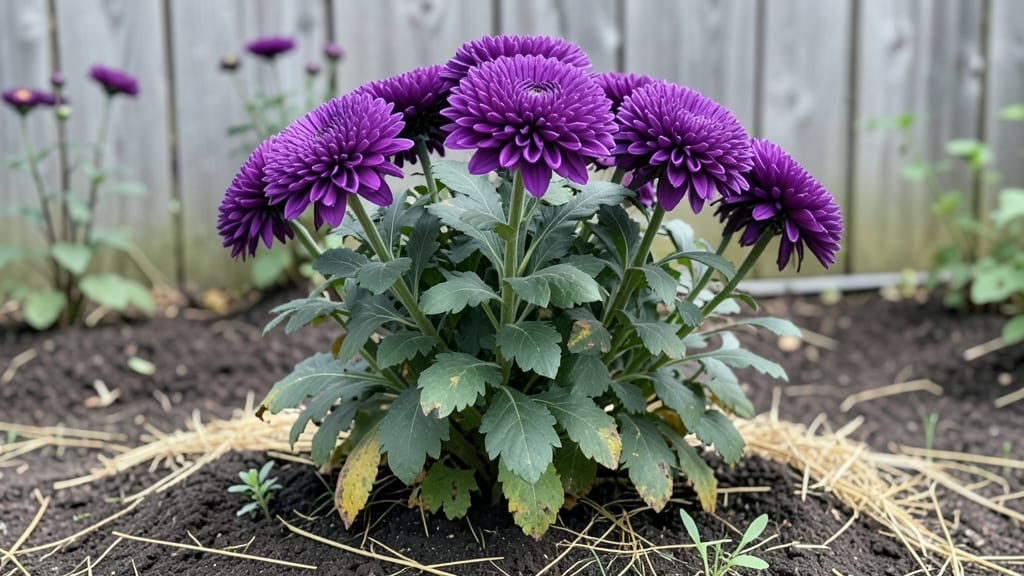
Transform your garden into a showstopper with the giant chrysanthemum flower’s dinner-plate-sized blooms that last from fall until frost—✨ I’ve grown these stunners for years, and the secret isn’t complicated. to let those flowers reach their full, dramatic potential.
These beauties thrive in full sun and well-draining soil, but they’re surprisingly low-maintenance once established. Most people overwater, which leads to floppy stems and smaller blooms—stick to watering deeply once a week unless it’s unusually hot.
The payoff? Flowers that measure 6 to 12 inches across, with petals so thick they feel like velvet.
By mid-September, you’ll be pinching back stems to encourage bushier growth, and by October, those giant blooms will start opening. The color options—deep reds, creamy whites, and vibrant purples—make them the star of any fall garden. With the right care, they’ll keep blooming until a hard frost hits.
Perfect for cutting gardens, container displays, or as a bold focal point in flower beds. They even handle light frosts better than many other fall bloomers, giving you extra weeks of color. Let’s get those giant blooms growing!
📚 In This Guide
- What you need
- Instructions
- Tips and common mistakes
- Wrapping up and next steps
What you need
- ● Giant Chrysanthemum Plants: 3-5 mature root cuttings or nursery-grown plants (varieties like ‘Mammoth’ or ‘Grandiflorum’ work best).
- ● Well-draining soil: Mix 60% garden soil, 30% compost, and 10% perlite or coarse sand (pH 6.0–7.0).
- ● Sunlight: Full sun (6+ hours daily) or partial shade (4–6 hours) in hot climates.
- ● Water: Consistent moisture (1–2 inches per week; adjust for rain).
- ● Garden trowel or shovel (for planting/transplanting).
- ● Pruning shears (sharp, sterilized for trimming deadheads).
- ● Garden gloves (to protect hands from thorns and soil).
- ○ Stakes or cages (optional, for tall varieties like ‘Pacific Giant’).
- ● Balanced fertilizer (10-10-10 or 5-10-10, diluted to half-strength).
- ● Mulch (straw or wood chips) (2–3 inches to retain moisture).
- ● Timing: Plant in early spring (4–6 weeks before last frost) or late summer for fall blooms.
- ● Space: 18–36 inches between plants (depends on variety).
- ● Patience: Giant chrysanthemums take 90–120 days to bloom!
Step-by-Step instructions for growing giant chrysanthemums
Here's how to cultivate showstopping chrysanthemums that keep blooming until frost—with less fuss than you'd expect.
🌱 Step 1: Choose and Prepare the Planting Site
Giant chrysanthemums thrive in full sun—at least 6-8 hours daily—so pick the sunniest spot in your garden. They tolerate a range of soil types but prefer well-draining loam. Amend heavy clay with 2-3 inches of compost to improve drainage and fertility.
These plants spread 2-3 feet wide at maturity, so space them 3-4 feet apart in the garden. If growing in containers, use pots at least 18 inches wide and deep—they need room for their extensive root systems. Dig a hole twice as wide as the root ball but only as deep, then water it thoroughly before planting.
🌿 Step 2: Plant at the Right Time and Depth
Plant bare-root chrysanthemums in early spring, about 4-6 weeks before your last frost date. For container-grown plants, you can set them out until 6-8 weeks before frost. Handle roots gently when planting—rough treatment stresses the plant and delays blooming.
Position the crown 1 inch below soil level—burying it too deep causes rot, while planting too shallow leaves the roots exposed. Backfill with native soil mixed with 2 cups of bone meal for phosphorus, which encourages strong root and flower development. Water deeply right after planting to eliminate air pockets.
☀️ Step 3: Water and Feed for Continuous Blooms
Keep soil consistently moist but never soggy—chrysanthemums wilt quickly when thirsty. Water 1-2 inches per week, more during hot spells. You'll know it's time when the top 2 inches of soil feel dry. Water at the base in the morning to reduce fungal risks.
Feed every 4-6 weeks with a balanced 10-10-10 fertilizer until early summer, then switch to a 5-10-10 formula to promote blooms. Stop fertilizing 6-8 weeks before your first frost—new growth won't harden off properly. Deadhead spent blooms regularly to encourage more flowers and prevent seed formation.
✂️ Step 4: Prune and Shape for Bushier Growth
Pinch back the tips of new growth when plants are 6-8 inches tall to encourage bushier, fuller plants. This isn't optional—skipping it leads to tall, leggy stems with fewer flowers. Make cuts just above a set of leaves to promote branching from that node.
In early summer, trim back any leggy stems to 6 inches from the ground. This might seem drastic, but it triggers fresh, compact growth and more abundant fall blooms. Avoid pruning after mid-August—new growth won't have time to mature before cold weather.
⏰ Step 5: Prepare for Winter and Next Year
Chrysanthemums are hardy down to 15°F, but their foliage may brown with frost. Cut back stems to 2-3 inches after the first hard freeze, but leave the crowns intact. Mulch with 3-4 inches of straw or shredded leaves to protect roots from freezing temperatures.
In early spring, remove the mulch and trim back any dead growth. New shoots will emerge from the base—this is your signal to resume regular care. Divide clumps every 3-4 years in early spring to maintain vigor, separating pieces with 3-5 eyes each. Replant divisions immediately to minimize stress.
Tips & tricks for perfect giant chrysanthemum flowers
Giant chrysanthemums reward patience with bold, long-lasting blooms—but only if you nail these key details. Here's what I've learned after growing these showstoppers for years.
Sunlight Secret: Those 6-8 hours of daily sun are non-negotiable for giant varieties. If your garden gets partial shade, choose the sunniest spot available—even an hour less can reduce flower size. I've seen plants in east-facing beds produce flowers half the size of those in full south sun.
Planting Depth Matters: Getting the crown 1 inch below soil level is crucial—any deeper risks rot, while too shallow leaves roots exposed. I use a pencil to mark the depth before planting, then double-check after backfilling. The bone meal in Step 2 is your secret weapon for strong roots, but don't skip watering thoroughly after planting to eliminate air pockets.
Watering Wisdom: The 1-2 inches per week guideline works for average conditions, but adjust during heatwaves. I check soil moisture by sticking my finger 2 inches deep—if it's dry, water deeply. Morning watering prevents fungal issues, and mulching helps retain moisture while keeping roots cool. In containers, you'll need to water more frequently due to faster drying.
Pruning Timeline: That 6-8 inch pinch point in Step 4 is your first critical pruning. Don't wait until plants get leggy—early pinching creates bushier growth. For the early summer trim to 6 inches, I mark the cut line with a piece of tape before making the cut. This dramatic pruning might seem scary, but it's what triggers those abundant fall blooms we all love.
Pro Tips for Giant Chrysanthemum Flower
- Giant chrysanthemums reward patience with bold, long-lasting blooms—but only if you nail these key details.
- Sunlight Secret: Those 6-8 hours of daily sun are non-negotiable for giant varieties.
- Planting Depth Matters: Getting the crown 1 inch below soil level is crucial—any deeper risks rot, while too shallow leaves roots exposed.
Frequently asked questions
Got questions about growing or caring for giant chrysanthemum flowers? You’re not alone! Here are answers to the most common queries to help you cultivate stunning, long-lasting blooms with ease.
How long do giant chrysanthemums take to bloom?
Giant chrysanthemums typically bloom 8–12 weeks after planting, depending on your climate and variety. Start seeds indoors 10–12 weeks before the last frost for earlier flowers. In warmer zones, direct sow in spring for fall blooms. Patience pays off—these beauties reward you with bold, showstopping blooms!
How often should I water giant chrysanthemums?
Keep the soil consistently moist but not soggy—about 1 inch of water per week. Water deeply in the morning to reduce fungal risks. During hot spells, mulch around the base to retain moisture. Overwatering can stunt blooms, so let the top inch of soil dry slightly between waterings.
Can giant chrysanthemums grow in containers?
Choose a large pot (at least 12–15 inches wide) with drainage holes and use well-draining potting mix. Dwarf varieties like ‘Daisy’ or ‘Mammoth’ thrive in containers. Place them in full sun and fertilize every 2–3 weeks for bigger blooms. Just ensure the container stays stable—these plants can get heavy!
Do giant chrysanthemums survive winter?
In USDA Zones 5–9, they’re perennial and return yearly. In colder zones (below 5), cut back stems to 2 inches, mulch heavily, and cover with straw or burlap. In warm climates, they may rebloom if deadheaded. Always protect young plants from late frosts for best results.
What pests or diseases should I watch for?
Common issues include aphids, spider mites, and powdery mildew. Spray infested leaves with neem oil or insecticidal soap. Improve airflow by spacing plants 18–24 inches apart. Avoid overhead watering to prevent fungal diseases. Healthy soil and proper spacing are your best defenses!
How can I encourage bigger blooms?
For showstopping giant blooms, pinch back the tips of young plants to encourage bushier growth. Use a balanced fertilizer (10-10-10) every 3–4 weeks and deadhead spent blooms regularly. Full sun (6+ hours daily) and well-draining soil are key. With these tips, you’ll get those monster-sized chrysanthemums you dream of!
Wrapping up and next steps
The giant chrysanthemum isn’t just a stunning addition to your garden—it’s a rewarding one, thriving with minimal fuss once you’ve got the basics down. Whether you’re a seasoned gardener or a curious beginner, these bold blooms prove that beauty and ease can go hand in hand. 🌸
Now that you’re armed with the right soil, sunlight, and care tips, why not take the next step? Start small—plant a single giant chrysanthemum this season and watch it transform your space.
Before you know it, you’ll be sharing your showstopping blooms with neighbors (and maybe even winning a few garden envy awards!). Happy growing!