
Shrubs
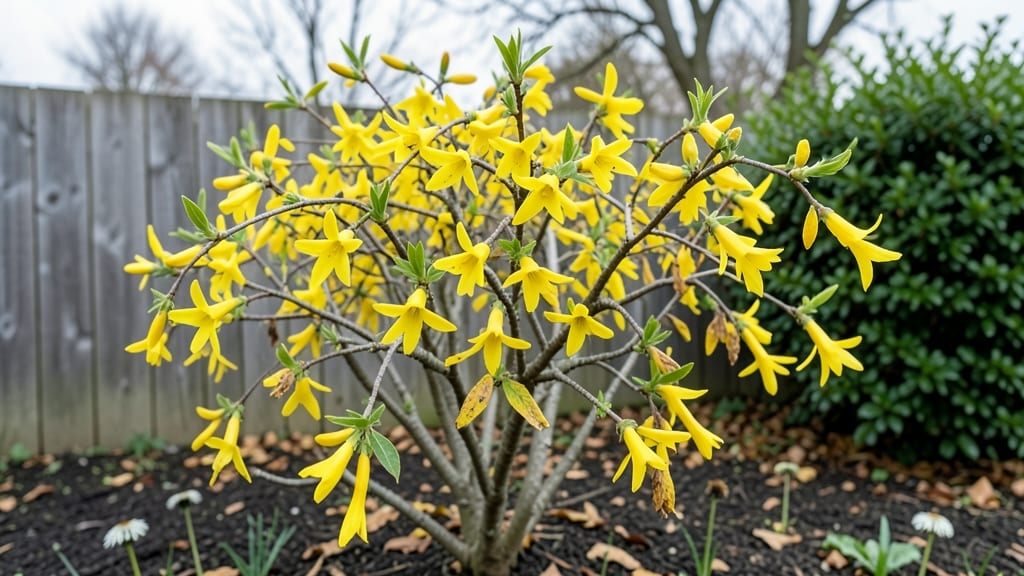
My garden explodes with color every March thanks to these early flowering bushes—forsythia, mahonia, and quince—that burst into bloom when nothing else is awake yet. 🌱 The secret isn’t fussy care but choosing the right varieties for your zone and giving them the perfect spot where they’ll thrive with almost no effort.
I’ve learned which ones handle frost, which need shelter, and how to pair them with bulbs or perennials for nonstop spring interest.
These bushes thrive in full sun to partial shade and need well-draining soil—no special amendments required. Most grow 3-6 feet tall, so they fit perfectly in borders, foundation plantings, or even large containers.
The key is planting them in late fall or early spring when roots can establish before summer heat hits. Once settled, they’ll reward you with years of effortless color.
Picture your yard in early spring: golden forsythia branches arching over a purple mahonia’s spiky foliage, while fragrant quince blooms add a pop of pink. The combination creates layers of texture and color that brighten even the dreariest mornings.
These plants handle drought once established, and deer usually leave them alone—ideal for low-maintenance gardeners.
For northern climates, focus on forsythia and mahonia—they bloom early but tolerate late frosts. In warmer zones, quince and camellias shine. Pair them with daffodils or hellebores for a spring garden that feels like a masterpiece without the work. Let’s get your yard ready for an early show!
📚 In This Guide
- What you need
- Instructions
- Tips and common mistakes
- Wrapping up and next steps
What you need
- ● Early flowering bushes: 1–3 plants (species like Pieris japonica, Hamamelis mollis, or Viburnum bodnantense—choose based on your climate zone and sunlight). Container-grown or bare-root (check local nurseries for spring availability).
- ● Soil amendments: 5–10 lbs of compost or well-rotted manure (improves drainage and fertility). 1–2 lbs of slow-release fertilizer (10-10-10 or organic options like bone meal for phosphorus).
- ● Mulch: 2–3 inches of wood chips or pine straw (preserves moisture and regulates soil temp).
- ● Watering supplies: A hose with a gentle spray nozzle or drip irrigation kit (for consistent moisture). 5–10 gallons of water (for initial planting and first 2 weeks).
- ● Planting tools: 1 shovel (for digging holes). 1 hand trowel (for adjusting soil around roots). 1 pair of gardening gloves (to protect your hands).
Step-by-step guide to planting early flowering bushes for spring color
Here’s how to choose and establish four hardy shrubs that burst into bloom before summer’s heat.
🌱 Step 1: Select the Right Varieties for Your Climate
Early flowering bushes thrive when matched to your hardiness zone. For zones 5-8, azaleas and camellias deliver vibrant blooms as early as February, while forsythia and pieris light up March-April. Check each plant’s tag for specific bloom times—some varieties flower weeks earlier than others.
I always opt for dwarf or semi-dwarf varieties (like ‘Spring Cheer’ azalea) when space is limited. These stay compact while still producing 3-4 feet of height and 2-3 feet of width, making them perfect for small gardens. Avoid full-size shrubs unless you have room for mature spread.
🪴 Step 2: Prepare the Planting Site for Optimal Growth
Most early bloomers prefer partial shade (morning sun with afternoon shade) but tolerate full sun if soil stays consistently moist. Test your site’s drainage—waterlogged roots kill these plants faster than drought. Dig a hole twice as wide as the root ball but only as deep as the container’s base.
Amend the native soil with 2-3 inches of compost mixed into the bottom of the hole. This improves fertility without overwhelming the plant. I skip peat moss unless your soil is extremely sandy—it can dry out too quickly. Place the shrub so the top of the root ball sits 1 inch above ground level to prevent rot.
☀️ Step 3: Plant and Water for Immediate Establishment
Remove the shrub from its container and loosen any circling roots with your fingers. Position it in the hole, then backfill with native soil mixed with 10% perlite for aeration. Press firmly around the edges to eliminate air pockets but avoid compacting the soil.
Water deeply until moisture reaches 6 inches down—you’ll know it’s enough when the soil feels damp like a wrung-out sponge. Mulch with 2-3 inches of shredded bark (not dyed mulch) to retain moisture and regulate soil temperature. Keep mulch 3 inches away from the stem to prevent rot.
✂️ Step 4: Prune and Fertilize for Next Year’s Blooms
After planting, trim any dead or damaged branches with clean, sharp pruners. For azaleas and camellias, avoid heavy pruning now—wait until late spring after flowering to shape. Forsythia and pieris can handle light pruning now to encourage bushier growth, but never cut more than 1/3 of the plant in one session.
Apply a balanced, slow-release fertilizer (10-10-10) at half-strength in early spring before new growth appears. Over-fertilizing now can lead to excess foliage but fewer flowers. Water again after fertilizing to help nutrients penetrate the soil.
🌿 Step 5: Maintain Through the Growing Season
Early bloomers need consistent moisture but hate soggy roots. Water once weekly during dry spells, aiming for 1 inch of water per week. You’ll know it’s enough when the top 2 inches of soil feel dry to the touch. Reduce watering in fall to prepare plants for dormancy.
Watch for aphids or spider mites on new growth—these pests thrive in dry conditions. Spray infested areas with neem oil or insecticidal soap at the first sign of webbing or sticky residue. Deadhead spent blooms on forsythia and pieris to encourage a second flush of flowers later in the season.
Tips & tricks for perfect early flowering bushes
These essential strategies will help your early bloomers thrive and reward you with vibrant spring color year after year.
Variety Selection Wisdom: When choosing between azaleas, camellias, forsythia, and pieris, consider their mature size and growth habits. Azaleas and camellias typically reach 3-6 feet tall, while forsythia and pieris can grow 6-10 feet if unpruned. For container gardening, select dwarf varieties like 'Spring Cheer' azalea that stay under 3 feet tall. This compact size makes them perfect for patios and small spaces while still delivering abundant blooms.
Soil Preparation Secret: The 2-3 inches of compost you mix into the planting hole is your secret weapon for establishing healthy roots quickly. For clay-heavy soils, add 10% coarse sand to improve drainage, while sandy soils benefit from extra perlite mixed into the backfill. The key is creating a well-aerated root zone that mimics the plant's natural growing conditions. Remember, these early bloomers hate soggy roots more than they fear drought.
Watering Technique: That initial deep watering until moisture reaches 6 inches down is critical for establishing strong root systems. Use a moisture meter or your finger to check - the soil should feel damp like a wrung-out sponge. For the first 4-6 weeks after planting, maintain this consistent moisture level. A simple trick is to water in the morning so the foliage has time to dry before evening, reducing disease risk.
Pruning Insight: The timing difference between azaleas/camellias and forsythia/pieris is crucial. For azaleas and camellias, wait until late spring after flowering to prune, as their buds form on old wood. With forsythia and pieris, you can do light pruning now to shape, but avoid cutting more than 1/3 of the plant in one session. Always use clean, sharp pruners to make clean cuts that heal quickly and reduce disease entry points.
Pro Tips for Early Flowering Bushes
- These essential strategies will help your early bloomers thrive and reward you with vibrant spring color year after year.
- Variety Selection Wisdom: When choosing between azaleas, camellias, forsythia, and pieris, consider their mature size and growth habits.
- Soil Preparation Secret: The 2-3 inches of compost you mix into the planting hole is your secret weapon for establishing healthy roots quickly.
Frequently asked questions
Got questions about early flowering bushes? You’re not alone! Here are answers to the most common concerns—from timing to troubleshooting—so you can enjoy vibrant blooms with confidence.
When is the best time to plant early flowering bushes?
Plant them in early spring or fall when soil is workable but not frozen. This gives roots time to establish before extreme heat or cold. Avoid planting in summer—drought stress can stunt growth. For container-grown bushes, you can plant year-round in mild climates!
Why aren’t my early flowering bushes blooming this year?
Several factors could be at play:
- Age: Many bushes (like lilacs or azaleas) need 3–5 years to mature before flowering.
- Light: Check if they’re getting 6+ hours of sunlight daily—some varieties need more than others.
- Pruning: Prune after flowering (never in late summer/fall) to avoid cutting off next year’s buds.
- Nutrients: A balanced spring fertilizer can boost blooms.
Can I grow early flowering bushes in containers?
Dwarf varieties like weigela, hydrangea, or compact lilacs thrive in pots. Use a well-draining mix and a container 12–18 inches deep with drainage holes. Move containers to a sunny spot in spring and bring them indoors (or protect from frost) in winter.
How do I protect early flowering bushes from pests?
Prevent pests like aphids or spider mites with these tips:
- Inspect leaves regularly for signs of infestation (sticky residue, holes, or webs).
- Spray with neem oil or insecticidal soap early in the season as a preventive.
- Encourage beneficial insects like ladybugs by planting companion flowers (e.g., marigolds).
- Avoid over-fertilizing with nitrogen—it attracts soft-bodied pests.
Do early flowering bushes need special winter care?
Most are hardy, but young plants or tender varieties (like camellias) benefit from:
- A 3-inch layer of mulch around the base to insulate roots.
- Wrapping burlap around the bush in harsh winters (especially for broadleaf evergreens).
- Avoid pruning in late fall/winter—wait until early spring.
Wrapping up and next steps
Early flowering bushes are the perfect way to bring vibrant spring color to your garden with minimal fuss. Whether you’re a seasoned gardener or just starting out, these low-maintenance plants offer beauty and joy without the hassle.
Now that you’re armed with the right knowledge—from choosing the best varieties to understanding their care needs—it’s time to roll up your sleeves and get planting!
🌸 Next steps:
- Pick your favorite early bloomers (like azaleas or forsythia) and check local nurseries or online stores.
- Mark your calendar for the best planting season in your climate—spring or early fall is ideal!
- Grab some gloves, a shovel, and enjoy the process—your garden (and future pollinators!) will thank you.