
Flowers
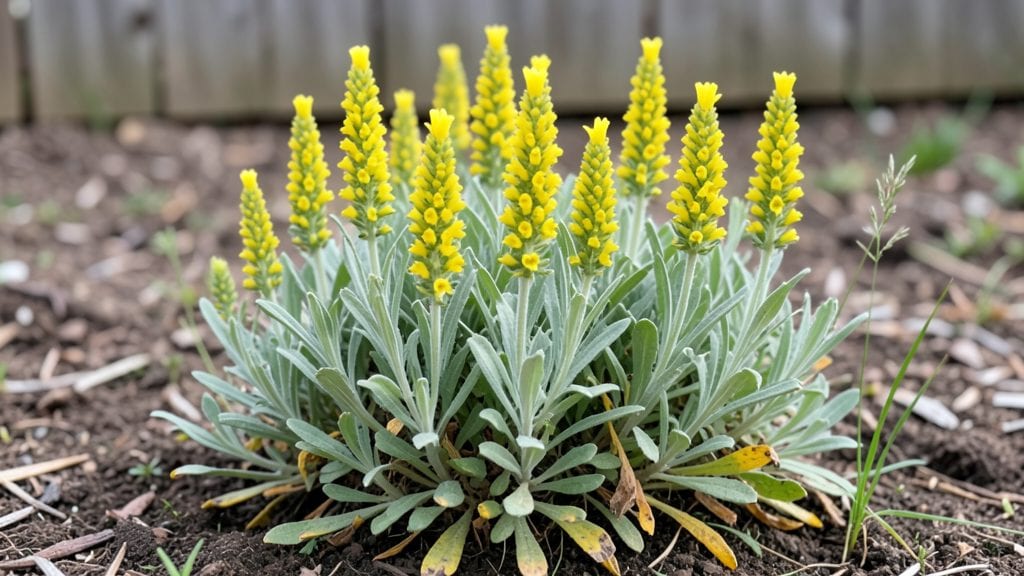
Growing a yellow spike flower in your garden means adding bold vertical drama with almost no fuss. 🌿 I’ve grown these striking perennials for years, and they reward even the most distracted gardener with their cheerful, sun-loving spikes that hum with pollinators.
The key varieties—like Ligularia’s golden plumes or Veronica’s airy spikes—thrive in conditions that would fluster fussy flowers.
These plants love bright spots where others might scorch, and they’re happy in average soil as long as it drains well. Plant them in spring or early fall, and within weeks, you’ll see those bright yellow spikes shooting up like nature’s own exclamation points.
Watering is simple: keep the soil moist but never soggy, and you’ll avoid the most common issues that plague other perennials.
Once established, they practically take care of themselves. A quick trim after flowering keeps them tidy, and they’ll bounce back stronger next season. The best part? They pair beautifully with purple blooms, creating a color contrast that stops neighbors in their tracks.
Ready to add some sunshine to your garden with almost no effort?
Whether you’re lining a border or creating a pollinator magnet, these yellow spikes deliver year after year. Here’s how to make them thrive in your space—no green thumb required.
Why Your Spikes Turn Yellow
Understanding why your spike flowers develop yellowing can help you address the issue before it spreads. Yellowing in these striking perennials often signals underlying stress, and pinpointing the exact cause is key to restoring their vibrant health.
Let’s break down the most common reasons—backed by science—and what you can do about them.
Yellowing in spike flowers often starts with nutrient imbalances, particularly in nitrogen, magnesium, or iron. These deficiencies disrupt chlorophyll production, leading to pale or yellow foliage.
- Nitrogen Deficiency 🌱 - Symptoms: Yellowing begins on older leaves (a classic sign), while new growth remains green. - Why it happens: Nitrogen is essential for leaf development.
Poor soil quality, over-pruning, or leaching (common in sandy soils) deplete this nutrient. - Actionable fix: Apply a balanced fertilizer (10-10-10) in early spring or use compost to enrich the soil. Avoid over-fertilizing, as excess nitrogen can burn roots.
- Magnesium or Iron Deficiency 🧲 - Symptoms: Yellowing appears between leaf veins (interveinal chlorosis), often on younger leaves.
This is classic for magnesium deficiency (affecting older leaves) or iron deficiency (affecting new growth). - Why it happens: Compacted or alkaline soils (pH > 7.0) lock out magnesium and iron, making them unavailable to roots.
Poor drainage can also wash them away. - Actionable fix: - Test your soil’s pH—aim for 6.0–7.0 for optimal uptake. - Add Epsom salt (magnesium sulfate) for magnesium deficiency (1 tbsp per gallon of water, applied monthly). - Use chelated iron (like iron sulfate) for iron deficiencies, especially in alkaline soils.
Yellowing leaves can also signal root stress from excess moisture, leading to oxygen deprivation and fungal issues.
- Symptoms: Yellowing starts at the leaf tips or edges, often accompanied by mushy stems or wilting. The soil may smell sour or feel soggy. - Why it happens: Spike flowers (like many perennials) hate soggy feet.
Overwatering, heavy clay soil, or containers without drainage holes trap water, suffocating roots.
Fungal diseases like root rot (Phytophthora or Pythium) thrive in these conditions. - Actionable fix: - Improve drainage by amending soil with perlite, sand, or compost. - Water only when the top 1–2 inches of soil are dry (stick your finger in to check!). - Repot if using containers—ensure pots have drainage holes and elevate them slightly to prevent water pooling.
Pests and pathogens can steal nutrients or physically damage leaves, triggering yellowing as the plant’s defense mechanism.
- Common Culprits:
- Aphids or Spider Mites 🕷️🐛
- Symptoms: Sticky residue (honeydew) on leaves, curled or yellowing foliage, and visible tiny pests on undersides.
- Why it happens: These sap-sucking insects weaken plants by removing nutrients and spreading viruses.
- Fungal Leaf Spot 🍄
- Symptoms: Yellow halos around brown/black spots, often with white or gray mold on the undersides.
- Why it happens: High humidity, poor airflow, or overhead watering create ideal conditions for pathogens like Alternaria or Septoria.
- Aphids or Spider Mites 🕷️🐛
- Actionable fix:
- Blast pests off with a strong spray of water or use neem oil (1 tsp per quart of water, spray weekly).
- Prune infected leaves immediately and dispose of them in the trash (not compost).
- Space plants for better airflow and water at the base (not overhead) to keep foliage dry.
Extreme temperatures or improper light exposure can shock spike flowers, causing yellowing as a survival response.
- Too Much Sun ☀️🔥 - Symptoms: Yellowing or scorched edges on leaves, especially in hot afternoons.
New growth may appear bleached. - Why it happens: While spike flowers tolerate sun, intense afternoon rays (especially in dry climates) can cause oxidative stress, leading to cell damage. - Actionable fix: Provide afternoon shade (use sheer curtains or plant near taller perennials). Mulch to retain soil moisture.
- Cold Damage ❄️ - Symptoms: Yellowing or blackened tips after a hard frost, often with a water-soaked appearance. - Why it happens: Freezing temperatures rupture cell walls, and thawing accelerates decay. - Actionable fix: Protect plants with row covers or mulch heavily before winter.
Choose cold-hardy varieties if your zone is prone to late frosts.
- Transplant Shock 🌱💨
- Symptoms: Sudden yellowing within 2–4 weeks of moving plants, paired with wilting or stunted growth.
- Why it happens: Roots take time to adjust to new soil conditions, and stress hormones (like ethylene) trigger leaf drop.
- Actionable fix: Water deeply before and after transplanting, and avoid fertilizing for 4–6 weeks to reduce stress.
Pro Tip: 💡 Keep a garden journal! Note when yellowing starts, recent weather changes, or care adjustments. Patterns (like yellowing after rain or fertilizer) reveal the root cause faster.
Revive & Restore Your Spike Flower
Reviving a yellow spike flower (like Veronica or Lobelia) that’s struggling doesn’t have to be a gardening mystery. Whether it’s wilting, losing color, or failing to bloom, targeted fixes can bring it back to life.
Below, we’ll tackle common issues with practical, step-by-step solutions—plus prevention tips to keep your plant thriving long-term.
Signs: Yellowing leaves, mushy stems, or slow growth. Why it happens: Soggy soil cuts off oxygen to roots, leading to rot or nutrient starvation.
How to Fix It: 🔥 Step 1: Check the Soil
- Stick your finger 1–2 inches deep. If it’s damp (not soggy), hold off on watering. If it’s bone-dry, you’ve been underwatering instead!
🍳 Step 2: Improve Drainage
- For pots: Add a layer of perlite or coarse sand to the bottom before repotting. Ensure drainage holes are clear.
- For garden beds: Mix compost or sand into the soil to loosen it up. Avoid heavy clay—amend with organic matter.
👨🍳 Step 3: Adjust Watering Habits
- Water only when the top inch of soil is dry. Spike flowers hate "wet feet"—water at the base (not overhead) to prevent fungal issues.
- Pro tip: 💡 Use a self-watering pot or drip irrigation for consistency.
🌡️ Step 4: Trim Damaged Roots (If Needed)
- Gently remove the plant from its pot and inspect roots. Snip off any black/mushy roots with sterilized scissors. Repot in fresh, well-draining soil.
Prevention: ✔️ Use lightweight, fast-draining potting mix (avoid peat-heavy blends). ✔️ Group pots together to create a microclimate with more stable moisture.
Signs: Scorched leaves, crispy edges, or flowers wilting by midday. Why it happens: Direct afternoon sun (especially in hot climates) can fry delicate spike flowers like Veronica or Lobelia.
How to Fix It: 🔥 Step 1: Relocate or Provide Shade
- Move pots to a spot with morning sun + afternoon shade (e.g., under a tree or patio umbrella).
- For garden plants: Install shade cloth (30–50%) if full sun is unavoidable.
🍳 Step 2: Mulch to Retain Moisture
- Spread 2–3 inches of mulch (straw, pine needles, or shredded bark) around the base to keep roots cool.
👨🍳 Step 3: Hydrate Deeply
- Water early in the morning to let foliage dry before heat sets in. Avoid evening watering (encourages fungal growth).
🥘 Step 4: Prune Damaged Foliage
- Snip off brown or crispy leaves to redirect energy to healthy growth. Use clean pruners to avoid spreading disease.
Prevention: ✔️ Choose heat-tolerant varieties like Veronica ‘Sunny Border Blue’ if you’re in a hot zone. ✔️ Avoid reflective surfaces (like white walls or pavement) that amplify heat.
Signs: Pale yellow leaves, stunted growth, or sparse blooms. Why it happens: Spike flowers are light feeders—too much fertilizer burns roots, while too little starves them.
How to Fix It: 🔥 Step 1: Test Your Soil
- Grab a DIY soil test kit (or send a sample to a local extension office). Spike flowers thrive in slightly acidic to neutral soil (pH 6.0–7.0).
🍳 Step 2: Choose the Right Fertilizer
- For pots: Use a balanced, water-soluble fertilizer (10-10-10) diluted to half-strength. Feed every 4–6 weeks in growing season.
- For garden beds: Mix in compost or a slow-release granular fertilizer (like 5-10-10) in spring.
👨🍳 Step 3: Avoid Over-Fertilizing
- Yellow spike flowers are not heavy feeders! More fertilizer ≠ more blooms. Follow package instructions precisely.
🌡️ Step 4: Boost with Micronutrients (If Needed)
- If leaves are yellow between veins, it may be iron deficiency. Use a chelated iron supplement or apply Epsom salt (1 tbsp per gallon of water) monthly.
Prevention: ✔️ Top-dress with compost annually to replenish nutrients naturally. ✔️ Deadhead spent blooms to encourage more flowers (not more fertilizer!).
Signs: Holes in leaves, sticky residue (aphids), or chewed stems. Why it happens: Spider mites, aphids, and slugs love tender spike flowers.
How to Fix It: 🔥 Step 1: Identify the Culprit
- Aphids: Tiny green/black bugs clustered on stems.
- Spider mites: Fine webbing on undersides of leaves.
- Slugs: Irregular holes + slimy trails at night.
🍳 Step 2: Manual Removal (For Small Infestations)
- Aphids: Spray with soapy water (1 tsp mild soap per quart of water). Repeat every 3 days.
- Slugs: Set out beer traps (bury a cup filled with beer) or use copper tape around pots.
👨🍳 Step 3: Introduce Beneficial Insects
- Release ladybugs (aphid predators) or nematodes (for soil-dwelling pests) from a garden center.
🥘 Step 4: Prevent Future Attacks
- Neem oil spray (1 tsp neem oil + 1 tsp soap per quart of water) deters pests and fungal diseases.
- Interplant with repellents like marigolds or basil to confuse pests.
Prevention: ✔️ Inspect plants weekly—catch pests early! ✔️ Avoid overwatering (slugs love damp soil).
Signs: Brown leaf tips, stunted growth, or flowers dropping. Why it happens: Spike flowers (especially tender varieties) struggle in frost or harsh winds.
How to Fix It: 🔥 Step 1: Shelter from the Elements
- Move pots to a sheltered spot (against a wall or under eaves).
- For garden plants: Weave burlap or frost cloth around stems for windbreaks.
🍳 Step 2: Mulch Heavily
- Pile on 4–6 inches of mulch (straw or leaves) to insulate roots.
👨🍳 Step 3: Prune Damaged Growth
- Trim back brown or brittle stems to encourage new, healthy shoots.
🌡️ Step 4: Gradual Hardening Off (For Tender Varieties)
- If you’re in a cold climate, dig up pots and store them in a cool, dark garage over winter. Replant in spring.
Prevention: ✔️ Choose cold-hardy varieties like Veronica ‘Speedwell’ (zones 3–9). ✔️ Avoid late-season fertilizing—it encourages tender new growth before frost.
Spike flowers thrive on neglect—don’t overdo it! Every 2–3 years, divide clumps or repot to prevent congestion. Fresh soil = happier plants.
By tackling these fixes, your yellow spike flower will bounce back with vibrant blooms
Frequently asked questions
What are the best yellow spike flowers for beginner gardeners?
Ligularia dentata and Veronica spicata are top picks! Ligularia’s bold golden plumes reach 3–4 feet and thrive in moist, well-drained soil, while Veronica’s airy spikes (1–2 feet) handle drier conditions. Both attract pollinators and bloom reliably with minimal fuss.
How do I prevent yellow spike flowers from flopping over?
Tall varieties like Ligularia need staking—insert bamboo stakes or tall grasses nearby for support. For shorter spikes (like Veronica), plant them in groups to create a dense, self-supporting border. Mulch heavily to stabilize roots and retain moisture.
Can yellow spike flowers grow in containers?
Choose compact varieties like Veronica ‘Sunny Border Blue’ or Yucca filamentosa (which has yellow-green spikes). Use pots with drainage holes and a fast-draining mix (60% potting soil, 30% perlite, 10% compost). Water when the top 1 inch of soil dries out.
Why aren’t my yellow spike flowers blooming?
Over-fertilizing (especially with nitrogen) encourages leafy growth at the expense of blooms. Cut back on feedings and deadhead spent flowers to prompt reblooming. Ensure they get 6+ hours of sun—some varieties (like Ligularia) need partial shade in hot climates.
Are yellow spike flowers deer-resistant?
Most are deer-resistant, but Ligularia may be browsed if other food is scarce. Plant near deer-deterrents like lavender or Russian sage. For extra protection, apply a commercial deer repellent spray during peak browsing seasons (spring/fall).