
Blooming
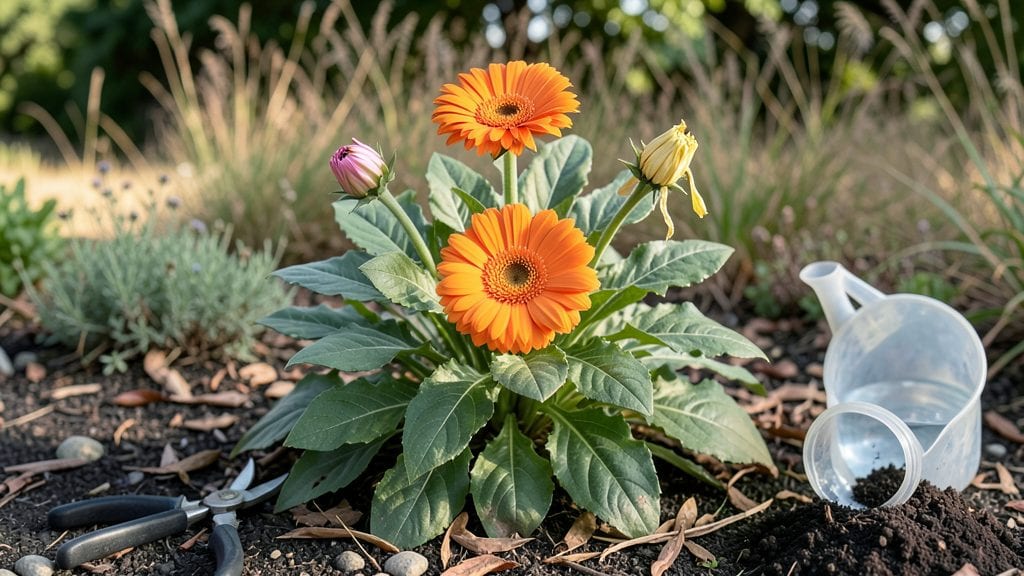
Gerbera daisies flower in late spring through summer 🌼, but their exact timing depends on where you live and how you care for them.
Picture this: You've waited months for those bright blooms to appear, only to find your gerberas still holding tight buds. The good news? Understanding their natural rhythm—and a few simple tricks—can turn sporadic blooms into a longer, more reliable show.
In Zone 6, most gerberas burst into color from June to October, but cooler climates or poor light can push back their debut. The key to earlier or extended flowering lies in sunlight, soil, and timing—all of which I’ll break down so you can coax your plants into action.
Ready to transform your garden’s blooming schedule? Here’s how to read your gerbera’s signals and adjust care for peak performance all season.
Natural gerbera flowering seasons by climate zone
Gerbera daisies thrive in warm climates but their flowering windows vary dramatically across USDA zones 3-11. Understanding these patterns helps you plan for peak bloom periods and adjust care routines.
In temperate zones, gerberas typically bloom from late spring to early fall, while tropical varieties can flower year-round with proper conditions.
Temperature plays a crucial role—gerberas need consistent warmth (above 60°F/15°C) to initiate blooming. Cold snaps can delay or halt flower production entirely. The length of daylight hours also triggers flowering, with most varieties requiring 12+ hours of light daily for optimal results.
Below is a detailed comparison of gerbera flowering times across different climate zones, including peak bloom months and key growing conditions for each region.
🌼 Comparison Table: Gerbera Flowering Times by USDA Zone
In USDA zones 3-5, gerberas are best grown as annuals or container plants to protect them from frost. The short growing season limits blooming to summer months, but you can extend this by bringing potted gerberas indoors before first frost and providing bright artificial light.
Gardeners in zones 6-7 enjoy the longest natural blooming window, from late spring to early fall. To maximize flowers, deadhead spent blooms regularly and fertilize every 4-6 weeks during the growing season. In hot summers, provide afternoon shade to prevent flower scorch.
For zones 8-9, gerberas can bloom nearly year-round with minimal care adjustments. The key is maintaining consistent soil moisture and protecting plants from sudden temperature drops. Tropical varieties in these zones often produce larger, more vibrant blooms due to stable growing conditions.
In zones 10-11, gerberas thrive as perennials with proper watering and well-draining soil. The warm climate allows for continuous flowering, but you may notice reduced blooms during monsoon seasons due to excessive humidity. Use mulch to retain moisture and prevent fungal diseases.
Temperature fluctuations can significantly impact gerbera blooming. For example, sudden cold snaps in zone 8 may cause buds to drop, while heatwaves above 90°F (32°C) can stress plants and reduce flower production. Monitoring your local microclimate helps you anticipate these challenges and adjust care accordingly.
If you're in a transitional zone (like zone 7b), experiment with seasonal pruning to encourage spring and fall blooms. Cut back 1/3 of the plant height after the first frost to stimulate new growth and earlier spring flowers. This technique works particularly well for temperate gerbera varieties.
For gardeners in cooler climates, consider tropical gerbera varieties like 'Mammoth' or 'Terry'. These hybrids tolerate warmer temperatures and produce larger blooms than traditional types. Plant them in well-draining containers and move them to protected areas during winter.
🌿 Remember, gerberas are light-loving plants, so always prioritize full sun exposure (
How light exposure triggers gerbera blooms (with exact requirements)
Gerberas are short-day plants, meaning their blooming cycle is triggered by specific daylight hours rather than temperature alone. When daylight drops below 12-14 hours, they produce flowering hormones, but too little light delays or prevents blooms entirely.
Understanding this photoperiodism lets you control when your gerberas burst into color—even in winter.
In nature, gerberas bloom when days shorten, typically from late spring to early fall in most climates. However, artificial lighting can extend this window by mimicking natural daylight changes. The key is balancing light intensity and duration to avoid stressing the plant while encouraging consistent blooming.
summary-table
Condition
Natural Light
Artificial Light
Daylight Hours
12-14 hours (peak)
10-12 hours (supplemented)
Light Intensity
Full sun (6000+ lux)
4000-6000 lux LED
Blooming Window
Spring-Fall
Year-round (with adjustments)
Common Mistake
Overwatering in shade
Too much light at night
One of the biggest mistakes gardeners make is assuming gerberas thrive in partial shade. While they tolerate 4-6 hours of sun, anything less than 6 hours of direct light will stunt growth and delay blooms.
I once had a pot of gerberas near an east-facing window—only 3 hours of morning sun—and they produced no flowers that season. Moving them to a south-facing spot doubled their blooms within weeks.
For indoor gerberas, use grow lights for 10-12 hours daily to mimic natural daylight. Place lights 6-12 inches above the plant and use a timer to avoid over-lighting at night.
I recommend full-spectrum LEDs for the best results—avoid cheap blue-only lights, which can stress the plant. A 15-watt LED bulb per plant is ideal for small pots.
Another trick is to gradually reduce light exposure in late summer to signal the plant it’s time to bloom. Start by moving pots to partial shade for 2-3 hours daily in early August.
This short-day training can push blooms into fall and early winter, just in time for holiday arrangements. Just be sure to increase light again after blooming to encourage new growth.
If your gerberas leaf out but refuse to bloom, check for these red flags: overcrowded roots, nutrient deficiencies (especially phosphorus), or excessive heat stress. I’ve found that dividing mature clumps every 2-3 years and adding bone meal fertilizer (high in phosphorus) can jumpstart flowering in stubborn plants.
Pair this with consistent light exposure, and you’ll see blooms in 4-6 weeks. ☀️🌼