
Blooming
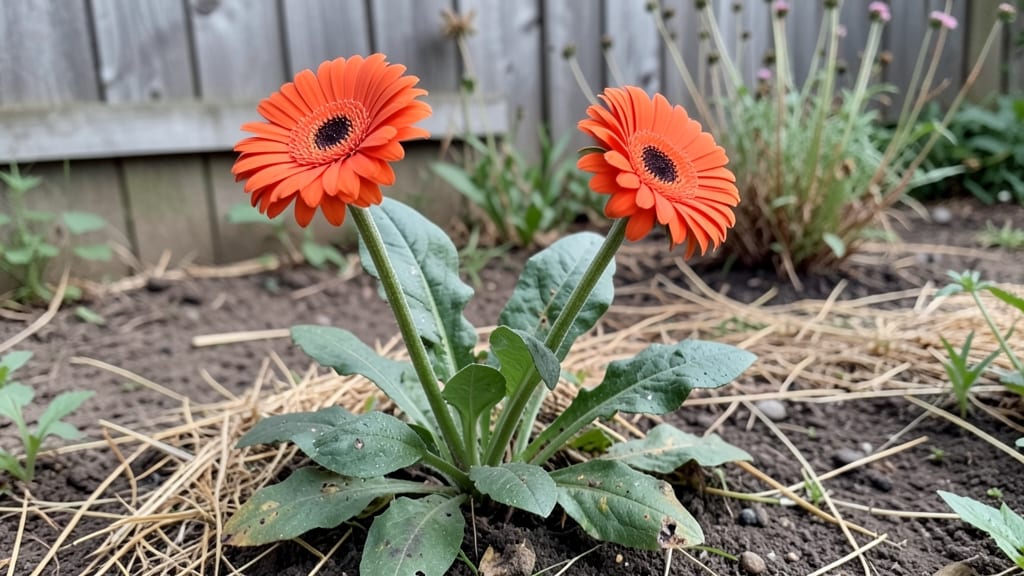
Gerbera flower season starts with vibrant blooms that can last all summer—but only if you plant them at the right time.
Picture this: You’ve spent weeks nurturing your 🌼 gerbera daisies, and then—just as the flowers should peak—your garden fades into green stems and wilted petals. That’s because gerberas thrive in spring planting, and missing that window means missing the magic.
Whether you’re in a warm USDA Zone 6a or a tropical climate, timing is everything for nonstop color.
Here’s the secret: Plant gerberas after the last frost (around April-May in most regions), and you’ll unlock blooms from July through September. But seasonal shifts—like longer days in summer or cooler fall air—can cut that season short.
I’ll show you how to adjust care, from soil prep to deadheading, so your gerberas keep shining like clockwork.
By the end, you’ll know exactly when to plant, how to stretch the blooming season, and the one mistake that kills gerbera flowers faster than anything else. Let’s get started.
Gerbera flower season by month: when and where to plant for year-round blooms
Gerbera daisies thrive when planted at the right time, but their blooming season depends heavily on your climate zone and variety. In USDA zones 7-11, tropical varieties like 'Orange Queen' or 'Red Velvet' can bloom year-round with proper care, while temperate varieties like 'White Queen' follow seasonal patterns.
Understanding these differences ensures you enjoy continuous color from spring through fall.
For temperate climates (USDA 7-9), gerberas typically bloom from late spring to early fall, peaking in summer months. In warmer zones (USDA 10-11), they can flower almost year-round, with brief slowdowns in winter.
The key is adjusting planting times and care routines to match your local frost dates and temperature fluctuations.
Below is your month-by-month guide to planting and maintaining gerberas, tailored for USDA zones 7-11. Whether you're a first-time gardener or a seasoned pro, this breakdown will help you maximize blooms and extend your gerbera flower season.
🌱 Pro Tip: Always choose well-draining soil with a pH of 6.0-6.5 for optimal gerbera growth. Amend heavy clay soils with compost or sand to prevent root rot.
| Month | Planting Action | Blooming Period | Care Focus | Climate Notes |
|---|---|---|---|---|
| January | Indoor prep (USDA 7-9) | Minimal (winter dormancy) | Reduce watering, no fertilizer | USDA 10-11: Light blooms |
| February | Start seeds indoors | None (pre-bloom) | Warm soil prep (60°F+) | USDA 10-11: Peak winter blooms |
| March | Transplant seedlings (USDA 7-9) | Early blooms (USDA 10-11) | Light fertilizer, monitor pests | Frost risk in Zone 7 |
| April | Direct sow outdoors (after frost) | Begin blooming (USDA 7-11) | Deadhead spent blooms | Ideal planting month |
| May | Plant summer varieties | Peak blooming begins | Balanced fertilizer, mulch | High humidity care |
| June | Succession plant for fall | Full bloom season | Increase watering | Watch for powdery mildew |
| July |
How to extend the gerbera flower season: prolonging blooms through seasonal careGerbera daisies thrive when given the right care at the right time. The key to extending their flower season lies in understanding their needs throughout the year. With seasonal adjustments, you can keep these vibrant blooms appearing from spring through fall—and even over winter for perennial varieties. Start by mastering the basics: deadheading spent blooms, maintaining well-draining soil, and adjusting your watering schedule based on temperature. These simple steps create the foundation for a longer, more abundant gerbera flower season in your garden.
For perennial gerberas, winter care is crucial. If you live in USDA zones 7-9, these plants can often survive mild winters with proper protection. Use mulch and frost cloth to shield roots from freezing temperatures while allowing airflow to prevent rot. Container gerberas need extra attention. Bring them indoors before consistent cold snaps and place them near a south-facing window for maximum light. Reduce watering in winter, keeping soil slightly moist but never soggy. This helps them enter a dormant state naturally. Don’t forget about light requirements. Gerberas need 6+ hours of sunlight daily to bloom continuously. In shadier climates, supplement with a grow light during shorter winter days to maintain their flowering cycle. With these seasonal adjustments, your gerberas will reward you with nonstop color from spring through fall—and even a surprise bloom or two in winter. Happy gardening! 🌼 |