Blooming
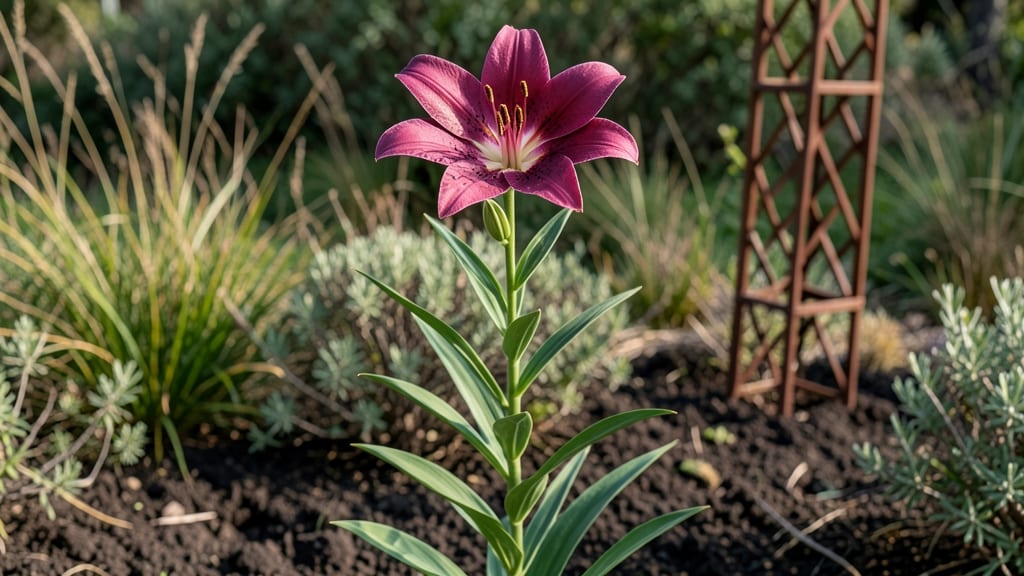
Your lily flower season starts with the right timing—whether you’re growing fragrant Asiatics or towering Oriental hybrids 🌸, the clock is ticking.
If you’ve ever dreamed of a garden bursting with vibrant lilies—from delicate Asiatics to bold Oriental hybrids—timing is everything. But with blooming seasons varying wildly by USDA zone, when should you plant and what zones offer the best displays?
In Zone 6a, where spring arrives late, lilies typically bloom between July and August, but cooler zones like 5 or 4 may see them linger into early fall.
Meanwhile, warmer climates in Zones 8-10 can stretch the season from June through September, giving you more time to enjoy their show-stopping blooms.
Below, I’ll break down the exact months for your zone, plus pro tips to extend their season—so you can turn your garden into a year-round lily parade.
Lily flower season by USDA zone: exact blooming months
Timing your lily garden is like planning a grand performance—each USDA zone has its own blooming season for these stunning flowers. Perennial lilies like Asiatic and Oriental hybrids thrive in cooler zones, while Easter lilies and tropical varieties shine in warmer climates.
Knowing your zone ensures you’ll enjoy vibrant blooms from early spring to late summer.
For gardeners in Zones 3-5, hardy Asiatic lilies often bloom in late June to August, while Oriental hybrids in Zones 6-8 peak in July and August.
Meanwhile, Easter lilies in Zones 9-11 burst into bloom in spring (March-April) and again in fall. Let’s break down the exact months for each zone.
🌱
In Zones 3-5, where winters are harsh, Asiatic lilies are your best bet for late summer blooms. These hardy beauties tolerate cold snaps and even drought once established. Plant bulbs in spring (April-May) for June-August flowers, and mulch heavily in fall to protect roots.
Gardeners in Zones 6-8 can enjoy Oriental hybrids and Stargazer lilies, which bloom in July-August. These varieties love full sun and well-draining soil.
For a longer blooming season, pair them with Asiatics—plant Asiatics in early spring and Orientals in late spring to stagger your flower display.
If you live in Zones 9-11, Easter lilies and tropical varieties like Lilium longiflorum will reward you with spring blooms (March-April) and sometimes a fall rebloom. These lilies need winter protection—either dig up bulbs or mulch 6-8 inches deep to prevent frost damage.
For Zone 7 gardeners, you’re in luck! This zone bridges spring and summer bloomers. Plant Asiatics in early spring for June blooms, then add Oriental hybrids in late spring for July-August color. With the right mix, your garden can bloom nonstop from June to September.
Pro tip: Deadhead spent blooms to encourage reblooming, especially with Oriental lilies. Cut back foliage in fall (after first frost) to keep your garden tidy and prevent disease. In Zones 3-5, leave foliage until spring to feed the bulbs for next year’s showstopping blooms.
🌸
Best Zones for growing lilies: climate and soil requirements
Lilies thrive in specific conditions, and choosing the right USDA zone makes all the difference. Most Asiatic lilies and Oriental hybrids prefer cooler climates, while tropical varieties like Stargazer lilies need warmth.
I’ve found that Zones 5-8 offer the best balance for consistent blooms, but let’s break down what each zone needs.
The ideal soil pH for lilies ranges between 6.1 and 7.0, slightly acidic to neutral. Well-draining soil is non-negotiable—soggy roots lead to bulb rot.
In my garden, I’ve amended heavy clay soil with compost and perlite to mimic the loamy texture lilies love. Sunlight needs are equally critical: at least 6 hours of direct sun daily ensures robust stems and vibrant blooms.
🌱
Lily Growing Conditions by Zone
Asiatic Lilies
Oriental Hybrids
Tropical Lilies
- Hardy in cold winters
- Early blooms (May-June)
- Low maintenance
Cons:
- Shorter bloom season
- Needs winter mulch
- Longer bloom season (June-August)
- Fragrant varieties
- Drought-tolerant once established
Cons:
- Needs consistent moisture
- Prone to deer damage
- Year-round growth
- Bold, exotic blooms
- No winter dormancy
Cons:
- Needs winter protection
- High water needs
For Zone 5 gardeners, Asiatic lilies are my top pick—they bloom early and handle cold snaps like a champ. In Zone 8, Oriental hybrids shine with their intoxicating fragrance and later blooming season.
Meanwhile, Zone 9-11 growers should opt for tropical lilies like Casa Blanca, which thrive year-round with minimal fuss.
Moisture balance is another game-changer. Lilies hate soggy feet but also despise drought. I water mine deeply once a week, ensuring the soil stays moist but not waterlogged. A 5-inch layer of mulch helps retain moisture and regulates soil temperature.
In hotter zones (9-11), I’ve had success with drip irrigation to keep roots hydrated without wetting the foliage.
Winter protection is a must for tender varieties. In Zones 5-6, I cover lilies with straw mulch before the first frost. For Zones 7-8, a thick layer of leaves or pine needles suffices.
Tropical lilies in Zones 9-11 may need temporary shade cloths during extreme heat waves to prevent stress.
🌿