
Tools
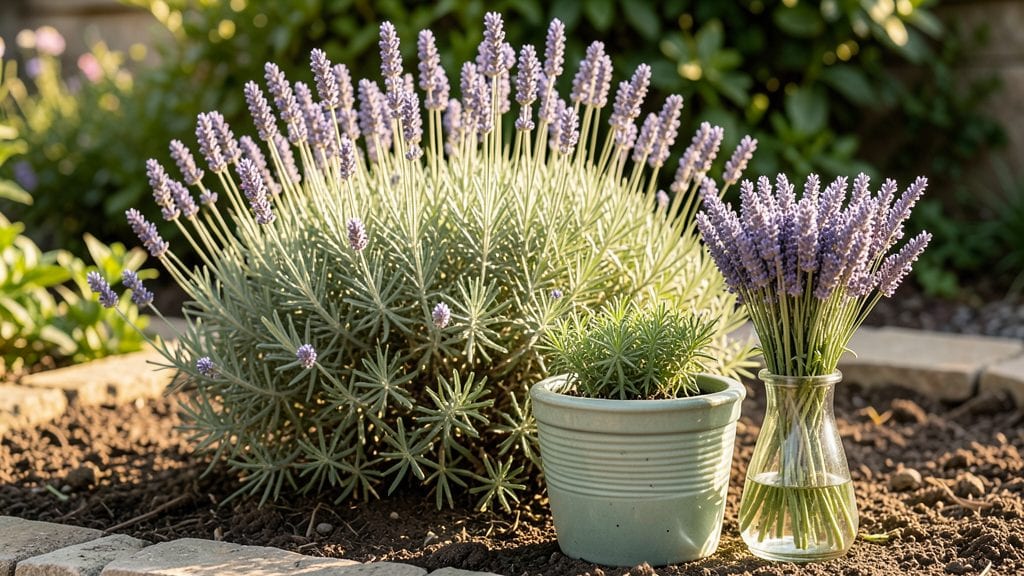
A stunning garden flower decoration begins with vertical displays that turn empty walls into vibrant canvases—my game-changer after flat, boring flower beds gave way to climbing roses and trailing petunias. 🌸 a simple trellis, and suddenly, every corner felt like a storybook.
The key isn’t just planting flowers; it’s arranging them in ways that catch the light, frame your space, and keep blooming from spring through fall.
You don’t need fancy supplies—just sturdy stakes, lightweight wire, or even repurposed lattice panels to create vertical drama.
Pair bold climbers like clematis with delicate fillers such as sweet peas, and let the colors tell a story: soft lavender for romance, fiery reds for drama, or sunlit yellows for cheerful energy. The best part?
These displays thrive in small spaces, urban balconies, or even along fences where traditional beds won’t fit.
By summer’s end, you’ll have a garden that feels alive with movement—petals swaying in the breeze, colors shifting with the seasons, and every glance revealing something new. The secret lies in layering textures (feathery foliage with velvety blooms) and choosing perennials that return year after year.
Even a beginner can pull this off with the right plant combinations.
Works for any style—romantic cottage, modern minimalist, or wild cottagecore—because the magic is in the arrangement, not the rules. Let’s bring your garden to life, one vertical display at a time.
Behind The Faded Bloom
When your carefully arranged garden flower decorations lose their vibrancy or struggle to thrive, it’s often due to a mix of environmental and human factors. Understanding these causes helps you create displays that stay lively and colorful all season long.
Let’s break down the science behind why your floral decorations might not be performing as expected.
Flowering plants are sensitive to temperature swings, and both heat and cold can take a toll on their appearance and health.
- Heat Stress: Prolonged exposure to high temperatures (above 90°F or 32°C) causes wilting, leaf scorch, and accelerated blooming. Why? Heat increases transpiration (water loss through leaves), while the soil may dry out too quickly for roots to absorb enough moisture. Some flowers, like petunias or marigolds, also close their blooms in extreme heat to conserve energy.
- Cold Damage: Frost or freezing temperatures can kill tender flowers or cause buds to blacken before they open. Why? Water inside plant cells expands when frozen, rupturing cell walls. Hardy perennials (e.g., coneflowers) survive better because they produce antifreeze-like proteins, but annuals often succumb.
- Temperature Fluctuations: Rapid changes (e.g., hot days followed by cold nights) confuse plants, leading to uneven blooming or poor color retention. Why? These shifts disrupt photosynthesis and nutrient uptake, weakening the plant’s ability to produce vibrant pigments like anthocyanins (which give flowers their red/purple hues).
Water is the lifeblood of flowers, but imbalances can turn your decorative displays into a sad, wilted mess.
- Underwatering: Dry soil causes flowers to droop, leaves to curl, and buds to abort. Why? Without adequate moisture, roots can’t transport nutrients and water to the plant’s upper parts. This triggers stress hormones like abscisic acid, which force buds to fall off prematurely.
- Overwatering: Soggy soil deprives roots of oxygen, leading to root rot (a fungal infection that blocks nutrient absorption). Why? Anaerobic conditions (low oxygen) encourage harmful microbes while suffocating beneficial ones. Overwatered flowers may also develop yellowing leaves or moldy stems.
- Poor Drainage: Containers or garden beds without drainage holes trap excess water, accelerating rot. Why? Stagnant water creates a breeding ground for pathogens like Phytophthora, which attacks roots and cuts off the plant’s water supply.
Pro Tip: 🌡️ Test soil moisture by sticking your finger 1–2 inches deep—if it’s dry, water; if it’s damp, hold off. Use well-draining potting mix (with perlite or sand) for containers.
Light is the energy source for photosynthesis, but incorrect exposure can stunt growth or bleach colors.
- Insufficient Light: Flowers in shady spots grow leggy (tall and weak) with sparse blooms. Why? Low light reduces chlorophyll production, limiting the plant’s ability to convert sunlight into energy. This leads to fewer flowers and duller pigments.
- Excessive Sunlight: Some flowers (e.g., impatiens or begonias) scorch in direct afternoon sun. Why? UV rays break down chlorophyll and cause oxidative stress, leading to brown, crispy leaf edges. Even sun-loving flowers (like zinnias) may fade faster if not given enough water to combat heat.
- Reflective Surfaces: Light-colored walls or pavement can amplify sunlight, increasing heat stress. Why? Reflected UV rays act like a magnifying glass, intensifying damage to delicate petals.
Pro Tip: ✨ Match flowers to their light needs: Full sun (6+ hours) for marigolds, partial shade (3–6 hours) for coleus, and low light for ferns or calatheas.
Healthy soil is the foundation of vibrant flower decorations, but poor conditions can starve your plants of essential nutrients.
- Nutrient Deficiencies: Pale leaves or weak stems often signal a lack of nitrogen (for leafy growth), phosphorus (for blooms), or potassium (for disease resistance). Why? Plants can’t synthesize pigments like carotenoids (yellow/orange) or anthocyanins without these macronutrients. Micronutrients like magnesium (for chlorophyll) or iron (for green leaves) also play a role.
- Poor Soil Structure: Compacted or rocky soil restricts root growth. Why? Roots need air pockets to breathe and expand. Without them, plants become stunted and produce fewer flowers.
- pH Imbalances: Most flowers thrive in slightly acidic to neutral soil (pH 6.0–7.0). Why? Extreme pH levels (too acidic or alkaline) lock out nutrients like phosphorus or manganese, even if they’re present in the soil. For example, hydrangeas turn blue in acidic soil and pink in alkaline soil due to aluminum availability.
Pro Tip: 💡 Conduct a soil test (kits are cheap and easy) and amend with compost, lime (to raise pH), or sulfur (to lower pH) as needed. For containers, use a balanced fertilizer like 10-10-10 every 4–6 weeks.
Unseen invaders can silently sabotage your flower decorations by feeding on leaves, stems, or roots.
- Common Pests:
- Aphids suck sap, causing curled leaves and sticky honeydew (which attracts mold).
- Spider Mites create fine webs and speckled yellow leaves by piercing cells.
- Slugs/Snails leave jagged holes in petals and leaves overnight.
- Fungal Infections: Powdery mildew (white fuzzy coating) or black spot (dark spots on leaves) thrive in humid conditions. Why? Fungi spores spread via water splashes or wind, infecting weak plants first.
- Bacterial Issues: Soft rot (mushy stems) or bacterial leaf spot (water-soaked lesions) spread through contaminated tools or rain.
Pro Tip: 🔥 Prevent pests with neem oil, companion planting (e.g., marigolds repel nematodes), and proper spacing for airflow. Remove infected plants immediately to stop outbreaks.
Quick Fixes for Common Garden Decor Woes
Transforming your garden into a vibrant, long-lasting floral display shouldn’t feel like solving a puzzle—unless you’re dealing with wilting blooms, fading colors, or pests that seem determined to crash your party. 🌸🐞 The good news?
Most issues have simple, practical solutions that keep your vertical flower arrangements looking fresh and whimsical all season. Below, we’ll tackle the most common problems with cause-to-fix strategies, plus pro tips to prevent future headaches.
Why it happens: Overwatering, poor drainage, or choosing the wrong flowers for your climate can turn your hard work into a sad, droopy mess.
How to fix it:
- 💧 Adjust your watering routine: Most vertical gardens need water 2–3 times per week (daily in extreme heat). Stick your finger in the soil—if the top inch is dry, it’s time to water. Pro tip: Use a self-watering planter or drip irrigation to keep moisture consistent without overdoing it.
- ⚡ Improve drainage: Ensure your containers have drainage holes and use a lightweight potting mix (avoid heavy garden soil). Add a layer of gravel or perlite at the bottom to prevent root rot.
- 🌸 Pick the right blooms: Opt for drought-tolerant varieties like lavender, succulents, or petunias if your garden gets little rain. For high-humidity areas, choose impatiens or ferns that thrive in moisture.
- 🌡️ Shield from harsh elements: If your vertical display is in full sun, add shade cloth during peak afternoon heat. Conversely, move delicate flowers indoors during frost or freezing temps.
Prevention tip: 💡 Group flowers by water needs—place thirsty plants (like coleus) together and drought-resistant ones (like sedum) separately to simplify care.
Why it happens: Aphids, spider mites, and slugs love tender new growth, and vertical gardens can become a buffet if left unchecked.
How to fix it:
- 🛡️ Physical barriers: Wrap the base of your containers in copper tape (slugs hate it!) or use floating row covers for delicate blooms.
- 🌿 Natural sprays: Mix 1 tsp neem oil + 1 tsp dish soap + 1 quart water in a spray bottle. Test on a small area first—this deters aphids and mites without harming bees.
- 🐝 Encourage predators: Plant marigolds, basil, or nasturtiums nearby—they repel pests and attract ladybugs and lacewings, which eat garden pests for you.
- 🧼 Clean up debris: Remove fallen leaves and spent blooms weekly to eliminate hiding spots for bugs.
Prevention tip: ✨ Rotate plants seasonally—this disrupts pest life cycles and keeps your garden less appealing to intruders.
Why it happens: Sun exposure, rain, or low-quality dyes (if using painted pots) can make your garden look washed out.
How to fix it:
- 🖌️ Protect with sealant: If you painted your pots, apply a clear acrylic sealer to lock in the color. For natural wood or metal, use weather-resistant stains.
- 🌤️ Choose sun-safe blooms: Some flowers bleach in UV light (like white petunias). Swap them for deep-red geraniums or purple verbena, which hold their color better.
- 💦 Rinse after rain: Use a soft brush and mild soap to gently clean leaves and petals. Avoid harsh chemicals—they can damage foliage.
- 🌿 Add reflective surfaces: Place mirrors or metallic planters near your display to bounce light and make colors pop.
Prevention tip: 🎯 Plant in stages—replace fading flowers with late-blooming varieties (like chrysanthemums in fall) to maintain vibrancy.
Why it happens: Cheap materials, poor assembly, or heavy soil can cause structural failures.
How to fix it:
- 🔧 Reinforce weak spots: If your macramé hangers or wooden slats are sagging, add zip ties or bungee cords for extra support.
- 🧱 Upgrade your planters: Swap flimsy plastic pots for fiberglass or ceramic—they hold up better to weather. For DIY displays, use galvanized metal buckets with holes drilled in the bottom.
- 🔨 Secure to walls: If mounting vertically, use L-brackets or heavy-duty hooks rated for the weight of your soil and plants.
- 🌧️ Test for leaks: Before planting, fill containers with water and check for drips. If leaks persist, seal with waterproof silicone.
Prevention tip: 💡 Distribute weight evenly—fill containers halfway with soil, then add plants, then top off with soil to avoid tipping.
Why it happens: Dense soil blocks roots, while sandy soil drains too quickly, starving plants of nutrients.
How to fix it:
- 🔄 Fluff up compacted soil: Mix in perlite, coconut coir, or orchid bark to improve aeration. For heavy clay soil, add peat moss or compost.
- 💧 Retain moisture: Top-dress with mulch or shredded bark to slow evaporation. Self-watering pockets (like felt strips) work great for vertical setups.
- 🌿 Feed regularly: Use a balanced liquid fertilizer (10-10-10) every 2–4 weeks or switch to slow-release granules at planting time.
Prevention tip: 🌡️ Monitor soil temp—if it’s above 85°F, plants may dry out faster. Provide afternoon shade during heatwaves.
- 🎨 Rotate decor seasonally: Swap spring pastels for fall oranges or winter whites to keep things fresh.
- 🕯️ Add solar lights: String fairy lights or solar-powered stakes for evening magic.
- 📸 Document your progress: Snap weekly photos—it’s motivating and helps track what’s working!
Final Thought: Most garden decor problems have simple, low-cost fixes—the key is acting fast and adjusting as you go. With these solutions, your vertical flower display will stay colorful, pest-free, and thriving from spring to frost. 🌸✨
Frequently asked questions
What are the best flowers for beginner-friendly vertical garden displays?
Start with easy-care blooms like petunias (vibrant colors, drought-tolerant), nasturtiums (edible and pest-repelling), or sweet potatoes (hardy vines). These thrive in containers, need minimal pruning, and bloom prolifically. For foliage, try coleus or heuchera—their colorful leaves add texture without high maintenance.
How can I make my vertical flower arrangement look more professional?
Use the rule of thirds by placing focal flowers (like clematis or roses) at the third points of your display. Mix heights—tall spikes behind cascading trails—and add greenery fillers (like ivy or asparagus fern) to frame blooms. A monochromatic color scheme with one bold accent color keeps it polished.
What’s the easiest way to create a vertical display without drilling holes?
Skip the wall mounts and use freestanding options like tiered plant stands, hanging macramé pockets, or repurposed ladder shelves. For fences, attach plastic trellis panels with zip ties or bungee cords—no tools needed! Even a wire grid leaned against a wall works for trailing flowers like morning glories.
Can I use dried flowers in vertical garden decorations?
Dried flowers like lavender, statice, or babys breath add texture and last all year. Bundle stems with twine and hang them from wire hooks or weave into woven baskets. For a modern look, press flowers between glass panels or frame them in shadow boxes mounted vertically.
How do I keep my vertical flowers from wilting in hot weather?
Mist leaves early morning (not at noon) to retain moisture, and use self-watering containers with lightweight soil mixed with perlite. Group thirsty plants together and place displays in partial shade during peak heat. Mulch with coconut coir to slow evaporation. For extra protection, drape a lightweight shade cloth over delicate blooms.