Tools
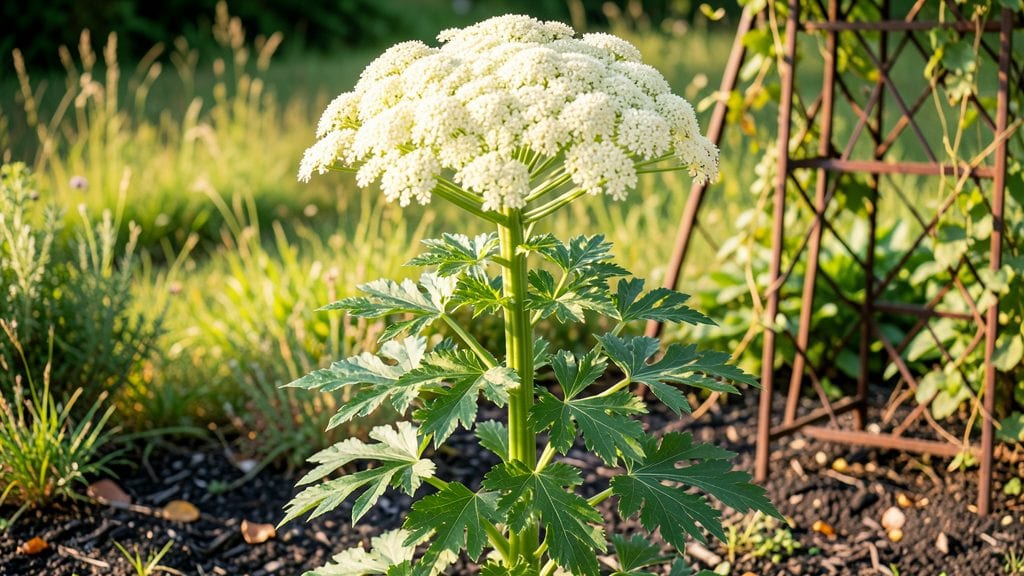
The garden angelica flower grows like a lush, fragrant giant in my backyard—towering over herbs with delicate white blooms that hum with bees. 🌿 I planted it last spring after seeing it in a cottage garden, and now it’s the star of my pollinator-friendly plot, plus I harvest stems for tea and garnishes.
The key to growing it successfully? Rich soil, patience, and knowing exactly when to water—because this plant loves it deep and consistent.
This biennial thrives in partial shade to full sun, making it perfect for gardeners with dappled sunlight or woodland edges. Start seeds indoors 8–10 weeks before your last frost, or buy young plants in spring.
The soil needs to be moist but well-draining, almost like a swampy meadow—think peat moss mixed with compost. Once established, it’s surprisingly hardy, handling light frosts and even wintering over in zones 5–8 with mulch.
By summer, you’ll be harvesting tender stems and leaves for culinary uses—think licorice-flavored tea or floral garnishes for cocktails. The blooms attract butterflies and bees like nothing else, turning your garden into a buzzing, fragrant haven.
Just watch for slugs and powdery mildew; a light spray of neem oil keeps pests at bay while preserving the plant’s edible qualities.
Here’s the secret: Let it self-seed. Angelica spreads happily, creating clumps of towering stems that look like edible art. In my experience, the second year is when it really shines—taller, more prolific, and just begging to be used in recipes or left to feed pollinators.
Start small, and you’ll have a garden feature that’s both beautiful and useful for years.
📚 In This Guide
- What you need
- Instructions
- Tips and common mistakes
- Wrapping up and next steps
What you need
- ● Angelica seeds: 1–2 packets (organic, non-GMO preferred; ~500–1,000 seeds per packet).
- ● Garden soil: Well-draining, rich in organic matter (compost or aged manure).
- ● Containers or garden bed: For seedlings: 3–4-inch biodegradable pots or seed trays (50+ cells).
- ● For transplanting: 12–18-inch deep containers or a sunny garden bed (6+ inches of soil depth).
- ● Mulch: Straw or shredded leaves (2–3 inches) to retain moisture.
- ● Hand trowel or transplanting spade (for digging and soil prep).
- ● Watering can or hose with gentle spray nozzle (angelica loves moisture!).
- ● Pruners or scissors (for harvesting or trimming).
- ○ Garden gloves (optional but recommended for soil work).
- ○ pH testing kit (optional; ideal soil pH: 6.0–7.0).
- ● Sunlight: 6+ hours of full sun daily (partial shade tolerates but may reduce blooms).
- ● Space: 2–3 feet between plants (angelica grows tall—up to 6+ feet!).
- ● Water access: Consistent moisture (1–2 inches per week; drought-tolerant once established).
- ● Patience: Slow grower; germination takes 2–4 weeks, and full maturity ~2 years.
- ● Fertilizer: Balanced organic fertilizer (10-10-10) or compost tea (apply every 4–6 weeks).
- ● Trellis or stakes: For tall varieties (prevents flopping in wind/rain).
- ● Pollinator-friendly companions: Plant near borage, lavender, or yarrow to attract bees and butterflies!
- ● Rain gauge: Track watering needs for optimal growth.
Step-by-Step guide to growing garden angelica flowers
This hardy perennial thrives with minimal fuss and rewards you with stunning blooms and edible stems.
🌱 Step 1: Choose the Perfect Planting Spot
Garden angelica loves moist, well-draining soil and partial shade—think dappled sunlight or morning sun with afternoon shade. A spot near a water source is ideal since it prefers consistently damp soil but won’t tolerate soggy roots. I always test the soil by squeezing a handful—if it crumbles easily, it’s perfect.
This plant grows 3-5 feet tall, so give it space to spread. If planting in a garden bed, leave 2-3 feet between plants. For containers, use a large pot with drainage holes—at least 12 inches deep—to accommodate its deep root system.
🌿 Step 2: Prepare Soil and Plant Your Angelica
Loosen the soil to a depth of 12 inches and mix in 2 inches of compost to enrich it without compacting. Garden angelica thrives in slightly acidic to neutral soil (pH 6.0-7.0). If your soil is heavy clay, blend in 20% perlite to improve drainage.
Dig a hole twice as wide as the root ball and place the plant so the top of the root crown sits just below soil level. Backfill with soil and press gently around the base to remove air pockets. Water deeply right after planting to settle the soil and encourage root growth.
☀️ Step 3: Water and Maintain Through the Growing Season
Keep the soil consistently moist but not waterlogged—angelica wilted stems signal thirst. Water at the base in the morning to reduce evaporation and fungal risks. Mulch with 2-3 inches of organic mulch (like shredded bark) to retain moisture and suppress weeds.
Fertilize lightly in spring with a balanced organic fertilizer (10-10-10) to encourage lush growth. Avoid over-fertilizing—angelica prefers lean soil. You’ll see new growth in early spring, and by mid-summer, tall stems will emerge with delicate white or greenish flower clusters.
✂️ Step 4: Prune and Harvest for Edible Blooms
Harvest stems in early summer before flowering for the best flavor. Cut 12-18 inches from the top, leaving lower leaves to continue photosynthesizing. You can also harvest young leaves for salads or teas—just pinch off outer leaves to encourage bushier growth.
After flowering, deadhead spent blooms to redirect energy into root development. In fall, cut back stems to 6 inches above the ground and add a fresh layer of mulch. Angelica is hardy in USDA zones 3-8, so it’ll return year after year with proper care.
🐝 Step 5: Support Pollinators and Extend the Season
Angelica’s flat-topped clusters attract bees, butterflies, and beneficial insects. Leave some stems uncut in late summer to provide nectar. If your winters are harsh, protect young plants with 2-3 inches of mulch to insulate roots.
This plant self-seeds readily, so you’ll likely find volunteers popping up nearby. Thin seedlings to 12 inches apart in early spring to prevent overcrowding. With minimal effort, you’ll have a pollinator magnet and edible harvest for years.
Tips & tricks for perfect garden angelica cultivation
These practical insights will help you grow thriving garden angelica with minimal effort while maximizing its beauty and edible potential.
Soil Preparation Secret: Before planting, I like to add a handful of mycorrhizal fungi to the soil mix—this invisible helper boosts root growth and makes your angelica more resilient. The 12-inch soil loosening in Step 2 is crucial because angelica's deep roots need space to establish. If your soil is particularly dense, consider adding an extra inch of compost to the 2 inches already specified. This plant rewards good soil prep with vigorous growth!
Planting Depth Trick: Don't bury the root crown too deeply when planting—just below soil level is key. I've seen angelica struggle when planted too deep, as it can lead to rot. The twice-as-wide hole recommendation helps prevent soil compaction around the roots, which is especially important for container-grown plants in their 12-inch deep pots.
Watering Wisdom: The "consistently moist" guideline in Step 3 is about finding that sweet spot—angelica hates soggy roots but wilts when thirsty. I set a timer for morning watering every other day during dry spells, checking the soil by squeezing a handful. If it forms a ball, it's too wet; if it crumbles easily, it's perfect. Mulching with the recommended 2-3 inches of organic material helps maintain this balance by reducing evaporation.
Harvesting Timing Tip: For the best flavor, aim to harvest those 12-18 inch stems in early summer when they're still young and tender. I like to harvest on a cloudy day to prevent wilting—just cut cleanly with pruners or sharp scissors. Leave at least 6 inches of stem to encourage regrowth. The early summer timing in Step 4 ensures you capture the plant's peak flavor before it puts energy into flowering.
Pro Tips for Garden Angelica Flower
- These practical insights will help you grow thriving garden angelica with minimal effort while maximizing its beauty and edible potential.
- Soil Preparation Secret: Before planting, I like to add a handful of mycorrhizal fungi to the soil mix—this invisible helper boosts root growth and makes your angelica more resilient.
- Planting Depth Trick: Don't bury the root crown too deeply when planting—just below soil level is key.
Frequently asked questions
Got questions about growing and enjoying garden angelica flower? You’re not alone! Here are some of the most common queries—plus expert-friendly answers to help you cultivate this stunning pollinator magnet with ease.
Is garden angelica easy to grow for beginners?
Angelica grows well in partial shade to full sun and tolerates moist, well-drained soil—though it’s not fussy. Just avoid soggy spots, and it’ll thrive in zones 3–9. Pro tip: Start seeds indoors 8–10 weeks before your last frost for a head start!
How long does it take for angelica flowers to bloom?
Patience pays off! From seed, expect blooms in 120–180 days (about 4–6 months). If you transplant seedlings, they may flower slightly sooner. Bonus: The first-year foliage is lush and edible—great for garnishes or pest-repellent mulch.
Why aren’t bees visiting my angelica flowers?
Angelica is bee-loved, but if pollinators skip it, check these fixes:
- Timing: Blooms peak in mid-to-late summer—wait until then!
- Location: Plant near other nectar sources (e.g., lavender, coneflowers).
- Pesticides: Avoid chemicals—bees need safe forage.
Can I eat angelica flowers raw, or do I need to cook them?
Both! The petals and stems are mildly sweet and safe raw—toss them into salads or infuse them in cocktails. For deeper flavor, lightly sauté petals in butter or steep stems in honey for syrups. Caution: Avoid the roots (toxic raw).
What can I plant near angelica to improve its growth?
Angelica thrives with companion plants that share its love for moisture and shade:
- Pollinator pals: Yarrow, asters, or bee balm.
- Shade-tolerant veggies: Lettuce, spinach, or chives.
- Avoid: Competitive roots like rhubarb or mint.
Pro tip: Mulch with compost to retain moisture and deter weeds.
Wrapping up and next steps
Garden angelica flower isn’t just a stunning addition to your garden—it’s a versatile, edible treasure that supports pollinators and adds a fresh, herbal touch to your meals.
Whether you’re drawn to its culinary potential, ornamental beauty, or ecological benefits, this plant proves that growing can be both rewarding and delicious. 🌿✨
Ready to bring angelica into your garden? Start small—plant a few seeds or seedlings this season and watch your space transform into a haven for bees, butterflies, and your own creativity. Happy growing!
- Next step: Check local nurseries or online seed suppliers for angelica varieties suited to your climate.
- Bonus tip: Share your harvest with friends or local chefs to inspire more edible gardens!