
Shrubs
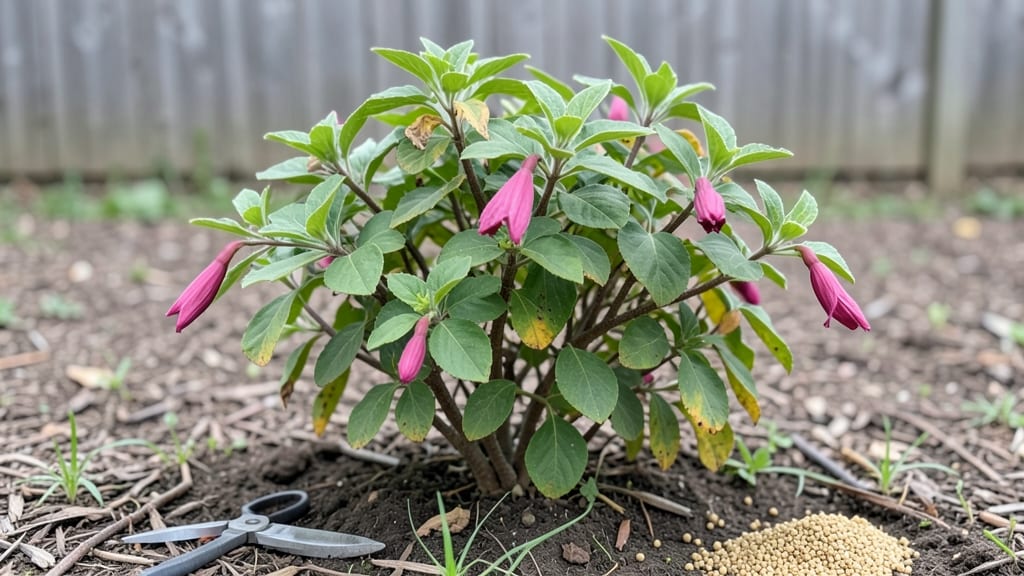
Fuchsias not flowering? That heartbreaking sight of lush green leaves with zero blooms happens faster than you’d think—even to seasoned gardeners. 🌿 I’ve nursed back more fuchsias than I’d like to admit, and the fixes are simpler than the problem seems.
The key is pinpointing whether your plant’s struggling from too little light, too much fertilizer, or just being root-bound.
Most of the time, it’s one of three things: not enough sunlight (they need 4-6 hours of morning sun), overfeeding (too much nitrogen = leaves, not flowers), or pruning at the wrong time.
Once you adjust these, blooms typically return in 2-4 weeks. My own fuchsias went from sad leafy stalks to flower-covered cascades after just one tweak—usually moving them to brighter light.
You’ll see the first buds forming within 10-14 days of making the right changes, and by summer, your plants will be dripping with blooms. The secret is consistency: check light levels, fertilize lightly with bloom-boosting formula, and prune after flowering. It’s not magic—just science you can act on right now.
Works for both hanging baskets and in-ground plants, and the fixes apply whether you’re growing in pots or garden beds. Let’s get those flowers back before the season slips away.
Root Causes Of Missing Blooms
Fuchsias are prized for their vibrant, cascading flowers—but when they refuse to bloom, it’s usually because their basic needs aren’t being met. Understanding the why behind the lack of flowers is the first step to revival.
Below, we break down the most common culprits, backed by science, so you can diagnose and fix the issue fast.
Fuchsias are light-loving plants, but they hate direct, scorching sun—especially in hot climates. Too little light, however, triggers a survival response: the plant focuses on leaf growth instead of energy-intensive blooms.
The Science: Fuchsias require 4–6 hours of bright, indirect light daily. Insufficient light reduces photosynthesis, limiting the energy needed for flower production. If your fuchsia is tucked in a shady corner, it’s likely prioritizing foliage over blooms.
How to Spot It:
- Long, leggy stems with sparse leaves
- Slow growth or pale, weak foliage
- No buds forming after 6+ weeks of growth
Pro Tip: 🌡️ If your fuchsia is indoors, rotate it weekly to ensure even light exposure. South- or east-facing windows are ideal, but avoid west-facing spots in hot afternoons.
Fuchsias are tender perennials—they thrive in 60–75°F (15–24°C) but shut down flowering if temperatures dip too low or spike too high.
The Science:
- Cold Stress: Below 50°F (10°C), growth slows, and buds may drop before opening.
- Heat Stress: Above 85°F (29°C), the plant conserves water by halting flower production.
- Seasonal Shock: Sudden temperature swings (like spring frosts or summer heatwaves) confuse the plant’s hormonal signals, delaying blooms.
How to Spot It:
- Dropped buds or wilted flowers
- Stunted new growth in spring
- Yellowing leaves (a sign of stress)
Pro Tip: ✨ In hot climates, provide afternoon shade with sheer curtains or a shade cloth (30–50% coverage). In cooler zones, bring potted fuchsias indoors before the first frost.
Watering is a delicate balance—fuchsias need consistent moisture, but soggy roots or drought stress can both sabotage blooms.
The Science:
- Underwatering: Dry soil triggers abscisic acid production, a stress hormone that halts flower development.
- Overwatering: Root rot cuts off nutrient uptake, starving the plant of phosphorus and potassium—key for blooming.
- Inconsistent Watering: Fluctuating moisture levels confuse the plant’s hormonal cycles, delaying flowering.
How to Spot It:
- Crispy, brown leaf edges (underwatering)
- Yellowing leaves or mushy stems (overwatering)
- No new buds after 4+ weeks of regular watering
Pro Tip: 💡 Water when the top 1–2 inches of soil are dry. Use a moisture meter for accuracy, and ensure pots have drainage holes to prevent root rot.
Fuchsias are heavy feeders, and a lack of specific nutrients directly impacts flower production.
The Science:
- Low Phosphorus (P): Critical for root and flower development. A deficiency stunts blooms.
- Low Potassium (K): Supports energy transfer for flower formation. Without it, buds fail to open.
- Nitrogen Imbalance: Too much nitrogen = lush leaves, no flowers. Too little = weak growth overall.
How to Spot It:
Symptom
Likely Deficiency
Dark green leaves, no buds
Too much nitrogen
Purple-tinged leaves
Phosphorus deficiency
Weak stems, small leaves
Potassium deficiency
Fuchsias reward proper pruning with bushier growth and more flowers—but incorrect timing or technique can backfire.
The Science:
How to Spot It:
Pro Tip: 🔪 Pinch back the tips of stems when they reach 6 inches in spring/summer to encourage branching. Prune lightly after flowering to shape, but avoid heavy cuts.
Now that you know the why, the next step is action. Each of these issues has a quick fix—so let’s get those fuchsias blooming again! 🌸
Revive Your Fuchsias Quickly
If your fuchsias are throwing a no-show on the blooms, don’t panic—these vibrant plants are often just waiting for the right nudge. The good news? Most issues are fixable with a few targeted tweaks.
Below, we’ll break down the most common causes of non-flowering fuchsias and the practical solutions to get them back in bloom, fast. Plus, we’ll share pro tips to keep your plants happy long-term.
Fuchsias crave bright, indirect light—think dappled shade or morning sun. If they’re tucked in a dark corner, they’ll focus on growing leaves instead of flowers. How to Fix It: 🔥 Move them closer to a window (south- or east-facing is ideal). 🍳 Rotate pots weekly so all sides get even light exposure. 👨🍳 Use a grow light (12–14 hours/day) if natural light is scarce—LED bulbs work great. 🥘 Prune leggy stems to encourage bushier, more compact growth (which blooms better). Prevention Tip: 💡 Aim for 4–6 hours of indirect light daily. If leaves start yellowing, you’re overdoing it—move them back a foot! Fuchsias hate heatwaves and dreading cold snaps. Temperatures above 85°F (29°C) or below 50°F (10°C) can stall blooming. How to Fix It: 🔥 Acclimate gradually if moving plants outdoors—start with partial shade on warm days. 🍳 Use shade cloth (30–50%) to protect from intense midday sun. 👨🍳 Bring potted fuchsias indoors if temps dip below 50°F (10°C) at night. 🥘 Mist leaves on hot days to lower ambient temperature slightly. Prevention Tip: 🌡️ Monitor your local forecast! Fuchsias thrive in 60–75°F (15–24°C). If heat is unavoidable, opt for trailing varieties—they handle warmth better. Fuchsias are thirsty but hate soggy roots. Too much water = root rot; too little = stressed plants. How to Fix It: 🔥 Check soil moisture—stick your finger 1 inch deep. Water if it’s dry. 🍳 Use well-draining soil (mix potting soil with perlite or sand). 👨🍳 Water at the base, not overhead, to prevent fungal issues. 🥘 Empty saucers after watering to avoid root suffocation. Prevention Tip: ✨ Group fuchsias together in a saucer with pebbles—this creates a humid microclimate they love! Fuchsias need balanced fertilizer to produce flowers. If they’re not getting enough nutrients, they’ll prioritize foliage. How to Fix It: 🔥 Switch to a bloom-boosting fertilizer (high in phosphorus, like 10-30-20). 🍳 Feed every 2–4 weeks during the growing season (spring–fall). 👨🍳 Use liquid fertilizer for quick absorption—dilute to half-strength to avoid burning roots. 🥘 Add compost or worm castings for organic slow-release nutrients. Prevention Tip: 📊 Over-fertilizing causes leafy growth but fewer blooms. Less is more! Fuchsias that are root-bound or past their prime (3+ years) often skip blooming. How to Fix It: 🔥 Repot into a slightly larger container (1–2 inches wider) if roots circle the pot. 🍳 Prune back 1/3 of the plant in early spring to encourage new growth. 👨🍳 Replace old plants—some varieties (like Fuchsia magellanica) naturally decline after 2–3 years. 🥘 Divide overcrowded clumps and replant cuttings in fresh soil. Prevention Tip: 🎯 Pinch back tips of new growth in spring to promote bushiness and more blooms! Aphids, spider mites, or fungal infections can sap energy, leaving your fuchsias too weak to flower. How to Fix It: 🔥 Inspect leaves daily—look for sticky residue (aphids) or webbing (spider mites). 🍳 Spray with neem oil or insecticidal soap for pests. 👨🍳 Remove infected leaves and treat with fungicide if you spot powdery mildew. 🥘 Encourage beneficial insects like ladybugs to keep pests in check. Prevention Tip: 🔥 Isolate new plants for a week to prevent pest spread!Frequently asked questions
Why do my fuchsias have leaves but no flowers?
Too much nitrogen fertilizer or insufficient light forces fuchsias to focus on leaf growth instead of blooms. Check your fertilizer ratio—switch to a high-phosphorus formula (like 5-10-5) and move plants to 4-6 hours of bright, indirect light daily. You should see buds forming within 2-4 weeks of these changes.
Can I prune my fuchsias to encourage more flowers?
Prune in early spring by cutting back 1/3 of the plant to remove old wood. For continuous blooms, pinch back new growth when stems reach 6 inches—this encourages bushier growth with more flower sites. Avoid heavy pruning after summer, as it removes potential buds.
How do I know if my fuchsias are getting enough light?
Leggy stems with sparse leaves mean they need more light. Place them near an east- or south-facing window, or use a grow light for 12-14 hours daily. If leaves start yellowing, you're giving them too much direct sun—move them back 1-2 feet from the window.
Will moving my fuchsias help them bloom?
Yes! Many non-flowering fuchsias simply need a better location. Try relocating them to a spot with morning sun and afternoon shade. If they're in pots, check if they're root-bound—repot into a container just 1-2 inches wider if roots circle the bottom.
How often should I fertilize fuchsias for blooms?
Feed with a balanced fertilizer (10-10-10) every 4-6 weeks during growing season. For a bloom boost, switch to a high-phosphorus formula (5-10-5) when buds form. Avoid over-fertilizing—too much nitrogen creates lush leaves but no flowers!